Every autumn, the travel media machines spin up the same recycled garbage. You know the drill. Glossy travel blogs, sponsored tourism board posts, and algorithmic listicles churn out identical advice for the National Day golden week holiday in Hong Kong. They tell you to join the human traffic jam at Victoria Peak, fight for air in the Tsim Sha Tsui shopping corridors, and elbow your way to the waterfront for the fireworks display. It is the lazy consensus packaged as insider tips, and following it is a fast track to burning your annual leave on misery.
I have spent years watching tourists and weary expats fall for this trap. They land at Chek Lap Kok, check into overpriced harbor-view hotels, and immediately surrender their itineraries to the masses. They spend three hours queuing for a tram that moves slower than a tectonic plate, only to stand shoulder-to-shoulder with fifty thousand other humans staring at the exact same fog-obscured skyline. For another view, see: this related article.
Stop doing this.
The standard playbook for Hong Kong during golden week is built for foot traffic metrics, not human sanity. If your idea of a holiday is paying triple-digit markups to stand in a queue for overpriced dim sum while someone live-streams into your ear, go ahead and book the standard tourist package. If you actually want to understand this hyper-dense, contradictory, and brilliant city, you need to throw the guidebook into Victoria Harbour. Similar analysis on the subject has been shared by Travel + Leisure.
The Myth of Peak Tourism Efficiency
The fundamental flaw in every mainstream guide to Hong Kong during golden week is the assumption that peak density equals peak experience. Tourism marketers love numbers. High visitor arrivals look great in quarterly reports and justify government expenditure. But for the individual traveler on the ground, density is the enemy of discovery.
Let us look at the mechanics of the golden week crush. Mainland Chinese visitors flood the city, drawn by retail promotions and holiday breaks. Local businesses prepare for an influx, while transport networks buckle under the strain. Mainstream itineraries push everyone toward the same five pinch points: the Peak Tram, Ocean Park, Disneyland, the Avenue of Stars, and the central shopping arteries of Causeway Bay.
When you funnel millions of people into a vertical city with notoriously narrow pavements, the math breaks down. You lose hours of your life in transit grids that bypass neighborhoods with actual character. You eat at tourist-trap restaurants that survived the pandemic solely on the back of tour-group contracts, serving rubbery livestock and watered-down tea at three times the fair market value.
The contrarian truth is simple. The best way to experience Hong Kong during a massive holiday surge is to treat the city like an insurgent treats enemy territory. You bypass the main supply lines, ignore the high-value propaganda targets, and infiltrate the margins where the infrastructure actually functions for humans.
Where the Guides Fail You
Let us dismantle the typical top five recommendations you will find on any mainstream travel portal for this specific holiday window.
First, they tell you to ride the Peak Tram. Why? Because it has historical novelty. But the historical novelty wears off rapidly when you are trapped in a concrete holding pen for ninety minutes with tourists who treat personal space as a Western conspiracy. The smart move is walking up via the Old Peak Road or taking the number 15 bus from Exchange Square, which gives you a better view, costs a fraction of the price, and bypasses the cattle chute entirely. Better yet, skip the peak altogether and hike Mount Butler or Jardine's Lookout, where you will look down at the swarming crowds through binoculars while enjoying absolute silence.
Second, they recommend shopping sprees in Tsim Sha Tsui or Causeway Bay. Unless your primary hobby is waiting in a two-hour line outside a luxury goods boutique that has the exact same inventory as the flagship store in your home country, this is an active waste of existence. Hong Kong retail has shifted. The independent boutiques, hidden bookshops, and vintage vinyl dens are not in mega-malls; they are tucked away on the second and third floors of aging industrial buildings in Fo Tan, Wong Chuk Hang, or Kwun Tong.
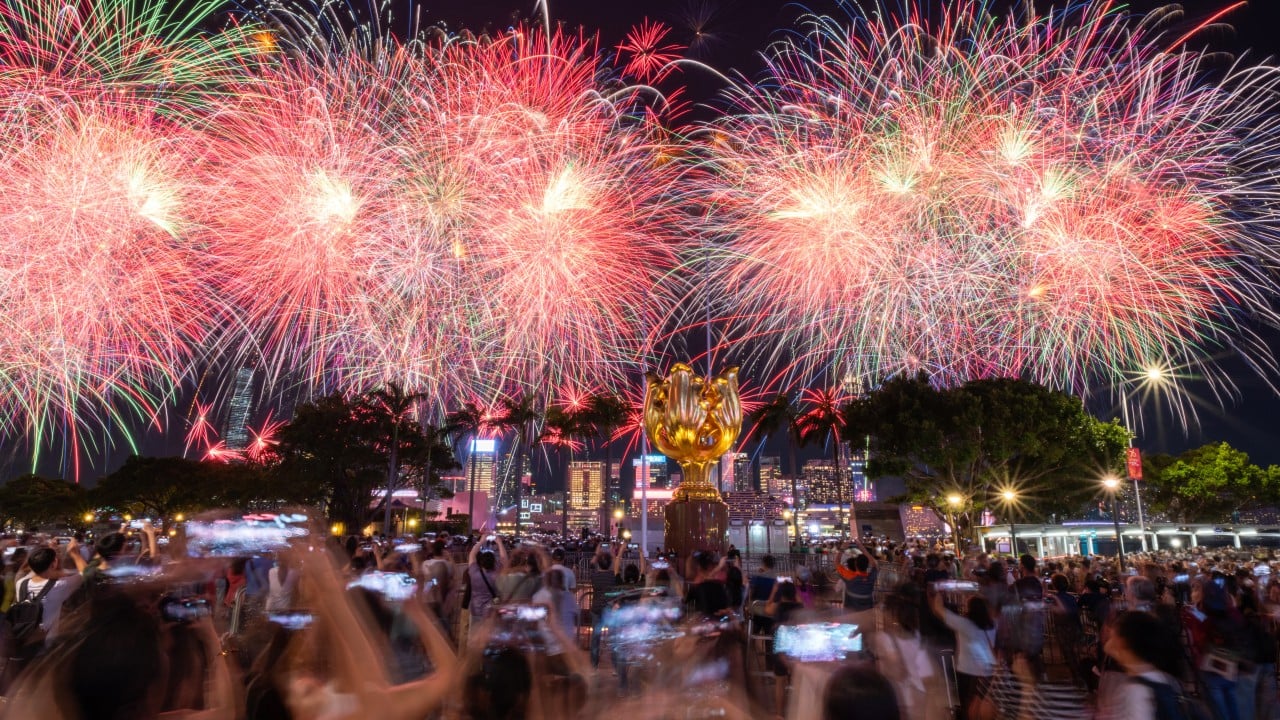
Third, the waterfront fireworks. Millions gather along the harbor to watch pyrotechnics reflect off the skyscrapers. By hour nine of the holiday, the trash cans are overflowing, the MTR stations are operating crowd-control gates that force you to walk a mile out of your way just to cross a street, and the air quality smells like sulfur and desperation. If you want a view of the harbor at night, drink a lukewarm Tsingtao on the quiet steps of the Western District Promenade or take the Star Ferry at three in the afternoon when the deck is half-empty and the salt spray actually hits your face.
The Neighborhoods They Pretend Do Not Exist
If you want to survive and thrive while the city is packed, you have to invert your geography. When the center becomes a pressure cooker, pressure escapes to the edges. That is where you should be.
Head away from the neon canyons of Central and toward the outer islands or the New Territories. Take the ferry to Peng Chau instead of Cheung Chau or Lamma. Cheung Chau becomes a human soup during golden week, with weekenders and holidaymakers clogging the narrow alleyways of the main village. Peng Chau, by contrast, retains its post-industrial ghost-town charm. You can walk the perimeter trail past abandoned Hoi 利 lime kilns, climb Finger Hill for a view of the Disney fireworks without the noise, and eat freshly baked pineapple buns from a bakery that has been operating since your parents were in high school.
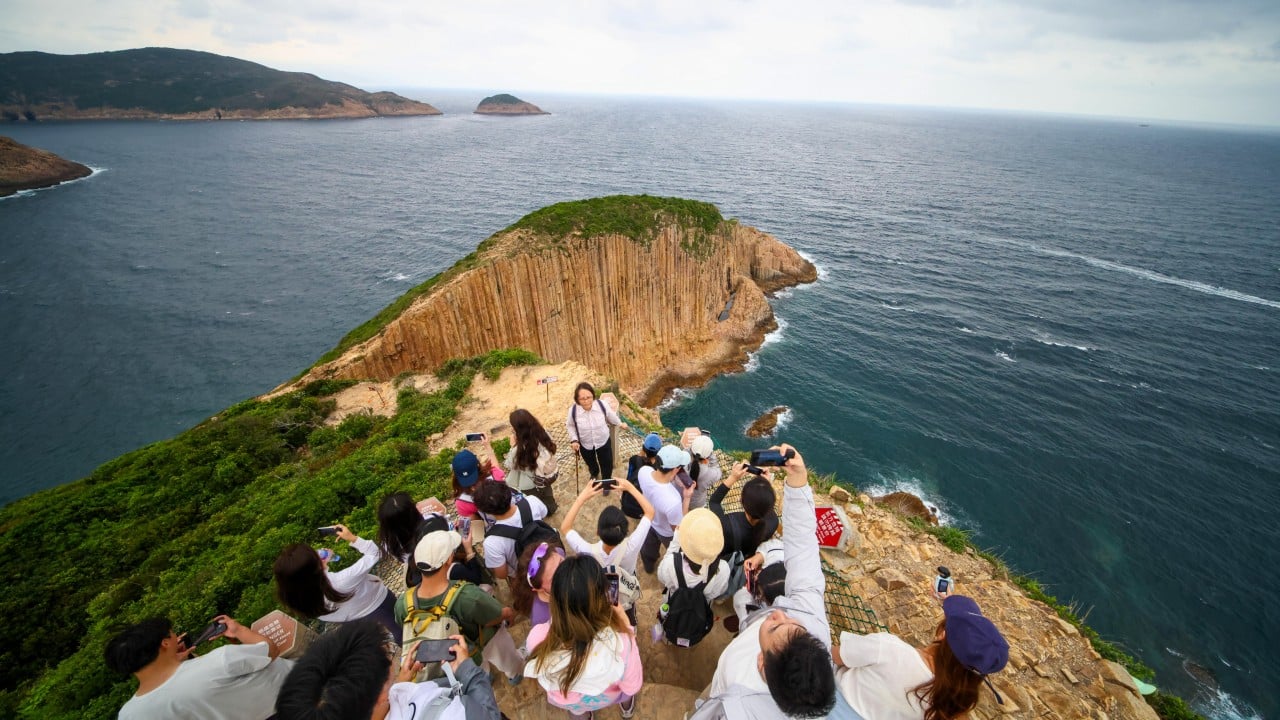
If you stay on Hong Kong Island, abandon the northern shore entirely. Cross the spine of the island down to the south side. Shek O and Big Wave Bay will be busy, yes, but head slightly off-piste to Cape D'Aguilar. It is a marine reserve where the coastal geology gets raw and jagged. There are rusted-out military bunkers, crashing surf, and zero franchise coffee shops. It forces you to engage with the physical environment rather than a shopping bag.
In Kowloon, skip the Avenue of Stars and wander the grid of Sham Shui Po. Yes, Sham Shui Po gets busy, but it is an organic, functional busyness. It is the raw economic engine of the city. Here, hardware stalls sit next to fabric markets, and legendary noodle shops serve food that puts Michelin-starred tourist traps to shame. You are walking past three generations of micro-entrepreneurs who do not care about your Instagram aesthetic; they care about commerce and quality.
The Economics of Counter-Programming
There is a financial argument to be made here as well. The travel industry banks on your compliance. They inflate hotel rates during golden week because they know desperate tourists will pay a fifty percent premium for a shoe-box room in Mong Kok just to say they were there.
By refusing to play their game, you keep your money and your sanity. Rent a flat in a residential district like North Point or Sai Ying Pun. Shop at the wet markets. Cook one meal a day using ingredients you bought from a vendor who speaks zero English. You will learn more about the socioeconomic reality of Hong Kong from twenty minutes standing in line at a local wet market than you will from a week inside a five-star hotel bubble.
Hong Kong is a city built by refugees, traders, and survivors. It is fundamentally an aggressive, fast-moving, and pragmatic place. When visitors come here and expect a polite, sanitized theme-park experience, they are fighting the character of the metropolis. The city responds by chewing them up, spitting them out, and taking their credit card details on the way out.
Stop looking for the curated highlights reel. The magic of Hong Kong is not found in the brochure. It is found in the grimy alleyway behind the wet market, the damp smell of old concrete in an industrial estate, and the sudden, breathless silence of a ridge trail when the urban roar drops away behind you.
Close the tab with the top ten lists. Delete the itinerary. Put on comfortable shoes and walk until you get lost.