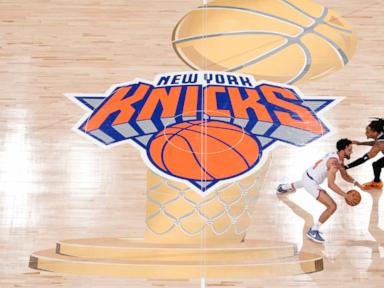
The tradition used to be simple. Win a championship, book a flight to Washington, stand behind a podium while a sitting president makes a sports pun, and shake hands for the cameras. It was treated as a civic rite of passage, a bipartisan photo opportunity that sat comfortably outside the daily turbulence of governance. Today, that old choreography is fractured. When a championship coach addresses the media and confirms that the team is still internalizing whether or not they will accept an invitation to the White House, it signals a deeper cultural friction. The athletic arena is no longer a sanctuary from civic polarization. It is an extension of it.
Sports and politics have never truly been separate. From Muhammad Ali refusing induction into the draft during the Vietnam War to the 1968 Mexico City Olympic black power salute, athletes have always used their platform to register dissent. Yet, the modern iteration of this tension carries a different weight. Professional sports franchises are multi-billion-dollar corporate ecosystems operating in a hyper-connected, real-time media environment. Every action is dissected, monetized, and weaponized by political factions on social media within seconds. If you liked this piece, you should check out: this related article.
When a championship organization hesitates on a White House visit, they are performing a delicate calculus. On one side sits tradition, institutional respect, and the corporate partners who prefer quiet compliance. On the other side sits a player roster with diverse political viewpoints, generational values that prioritize social justice, and the awareness that an endorsement through attendance can alienate large segments of their fan base. The silence from the locker room is rarely passive. It is a calculated delay designed to weather the immediate news cycle.
The historical precedent for this friction stretches back decades, but the tipping point arrived during the mid-2010s. Championships won by teams across the National Basketball Association, the Women's National Basketball Association, and major league baseball transformed the traditional celebratory visit into a referendum on the administration in power. Invitations were rescinded or declined. Entire rosters fractured along ideological lines. Coaches found themselves cast as amateur diplomats, forced to field questions about executive policy rather than defensive coverages and shooting percentages. For another angle on this event, check out the latest coverage from NBC Sports.
In the case of the reigning champions and their current deliberations, the hesitation reflects a locker room culture that values collective consensus. Modern professional athletes possess unprecedented financial autonomy and platform ownership. They control their narratives through player-led media companies, podcasts, and direct-to-consumer digital channels. They do not rely on traditional gatekeepers to interpret their actions. Consequently, a team visit to the executive mansion cannot be mandated by ownership without risking severe internal friction. If prominent players choose to sit out the trip, the resulting optics are worse for the administration and the franchise than declining the invitation entirely.
The economics of sports further complicate the calculus. Franchises are hyper-aware of brand positioning in global markets. Alienating international fan bases or domestic demographics over a partisan political photo-op carries tangible financial risk. Conversely, outright snubbing an administration can invite political retaliation or targeted boycotts from specific regional demographics. Front offices are trapped between a polarized public and the desire to remain universally marketable.
Veterans of the sports media landscape recognize this pattern well. Every few months, a new championship team confronts the same crucible. The responses vary from full attendance to quiet boycotts, but the underlying anxiety remains constant. The sports world is grappling with its own maturity. For generations, athletes were told to stick to sports, a convenient fiction that allowed fans to enjoy entertainment without confronting uncomfortable realities. Those days are gone. The modern athlete is a civic actor, whether they choose to engage or step back.
As the deliberations continue behind closed doors, the public spectacle serves as a mirror for a divided nation. The decision to go or stay is no longer about a handshake with a politician. It is a public declaration of values, an alignment with or rejection of institutional norms, and a reminder that the games we watch are inextricably tied to the world we inhabit.
When the final announcement is made, it will matter less whether the team boards the plane to Washington. What matters is the grueling negotiation it took to reach that consensus, exposing the invisible seams holding modern sports together.