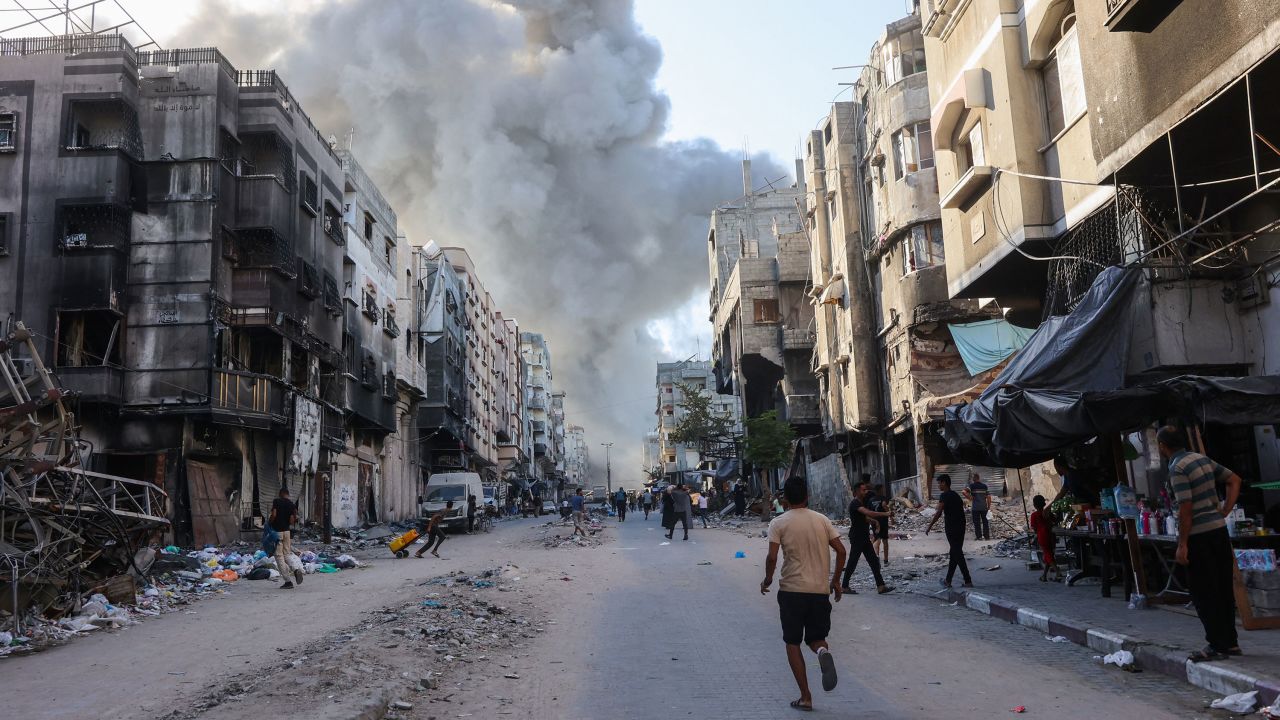
The media is obsessed with the "fraying" of the Middle East ceasefire, as if a temporary pause in violence was ever a stable foundation for a new regional order. Analysts are wringing their hands, asking how Donald Trump will "save" a deal that was structurally designed to fail. They are asking the wrong question. They assume Trump wants a neat, quiet diplomatic victory that earns him a Nobel Peace Prize nomination from the very establishment he loathes.
He doesn’t.
Stability is a commodity for the risk-averse. For a political actor who operates on the logic of leverage and disruption, a fraying ceasefire isn't a crisis—it’s an opening. The "lazy consensus" suggests that a collapse of the current truce is a failure of American leadership. In reality, the vacuum created by a failed deal allows the administration to reset the board on terms that favor raw power over performative diplomacy.
The Fallacy of the Permanent Peace
Diplomats love the word "sustainable." It’s a ghost. In the context of Middle Eastern geopolitics, particularly involving non-state actors and entrenched ideological rivals, "sustainable" is just code for "we kicked the can down the road."
Most pundits argue that the current administration needs to rush in with more mediators and nuanced language to patch the holes in the ceasefire. This is flawed. The holes are the point. When a deal frays, it reveals exactly who is willing to break it and what their price is. I’ve watched negotiators spend years building "robust" frameworks only to see them vaporized by a single drone strike because the framework ignored the fundamental incentive structures of the players involved.
Trump’s approach isn't about maintaining a fragile status quo; it’s about transactional dominance. If the deal breaks, the "polite" options are off the table. That is exactly where he thrives.
Leverage is Not a Spreadsheet
The current discourse focuses on the technicalities of border crossings and withdrawal timelines. This is clerical work disguised as statesmanship. The real mechanics of the region move on the axis of credible threats and economic strangulation.
Imagine a scenario where the administration doubles down on the "Maximum Pressure" campaign while the ceasefire is still technically in effect. To the career State Department official, this is "counter-productive" and "incendiary." To a businessman-turned-president, it is simply increasing the cost of non-compliance.
The mistake outsiders make is thinking the goal is the absence of conflict. The goal is the presence of alignment. If a ceasefire survives, it’s because the parties are too exhausted to fight. If it fails, the administration can dictate a "new reality" that bypasses the traditional mediation loops of the UN or European intermediaries.
The Abraham Accords vs. The Ceasefire Trap
We need to distinguish between a "deal" and an "alignment." The Abraham Accords worked because they were based on shared interests—security and money—rather than the resolution of ancient grievances. The current ceasefire is a "trap" because it attempts to solve the latter through the former.
When people ask "What’s next for Trump?" they expect a map of diplomatic summits. What they should expect is a series of bilateral ultimatums. The administration has no interest in being the region's babysitter. It wants to be the region's landlord. If the tenants can’t keep the peace, the landlord changes the locks.
Why Conflict is Profitable for Policy
- Clearer Battle Lines: Peace deals often blur the distinction between ally and adversary. Conflict forces a choice.
- Reduced Dependency: By allowing local powers to exhaust their conventional options, the U.S. can step in as the only entity capable of providing "the fix," but at a significantly higher price point.
- Internal Distraction: Domestic critics are far more focused on "war vs. peace" than on the specific, granular shift of regional influence toward pro-Western blocs.
The Myth of the "Mediator"
The U.S. has spent decades trying to be the "honest broker." It’s a thankless, expensive, and ultimately useless role. Trump’s brand of foreign policy rejects the idea of being "honest" in favor of being "decisive."
The fraying of the deal is actually a gift. It strips away the pretense. It allows the administration to say to regional players: "The old rules didn't work. Now, we do it my way, or you’re on your own." This is the ultimate "art of the deal" application—creating a crisis so you can sell the solution.
Critics will point to the human cost and the risk of a wider regional war. Those risks are real. But in the cold logic of global hegemony, a controlled burn is often preferred over a slow, rot-inducing dampness. The administration isn't looking for a "win-win." It’s looking for a "win-lose" where the U.S. and its core partners are the only ones on the left side of the hyphen.
Stop Asking About "What's Next"
The "People Also Ask" columns are filled with queries like: "Can Trump bring peace to the Middle East?"
The question itself is a misunderstanding of the objective. Peace is a byproduct of overwhelming leverage, not the starting point. If you want to understand the next move, stop looking at the ceasefire monitors. Look at the Treasury Department’s sanctions list and the movement of carrier strike groups.
The strategy isn't to fix the fraying rope; it’s to let it snap so you can replace it with a steel chain.
The status quo is a luxury for the comfortable. In the Middle East, the status quo is just a countdown. The fraying deal isn't a setback for the administration—it is the catalyst they’ve been waiting for. The "experts" will keep mourning the death of diplomacy while the real players are already busy carving up the aftermath.
Stop looking for a healer. Start looking for the person who owns the hospital.