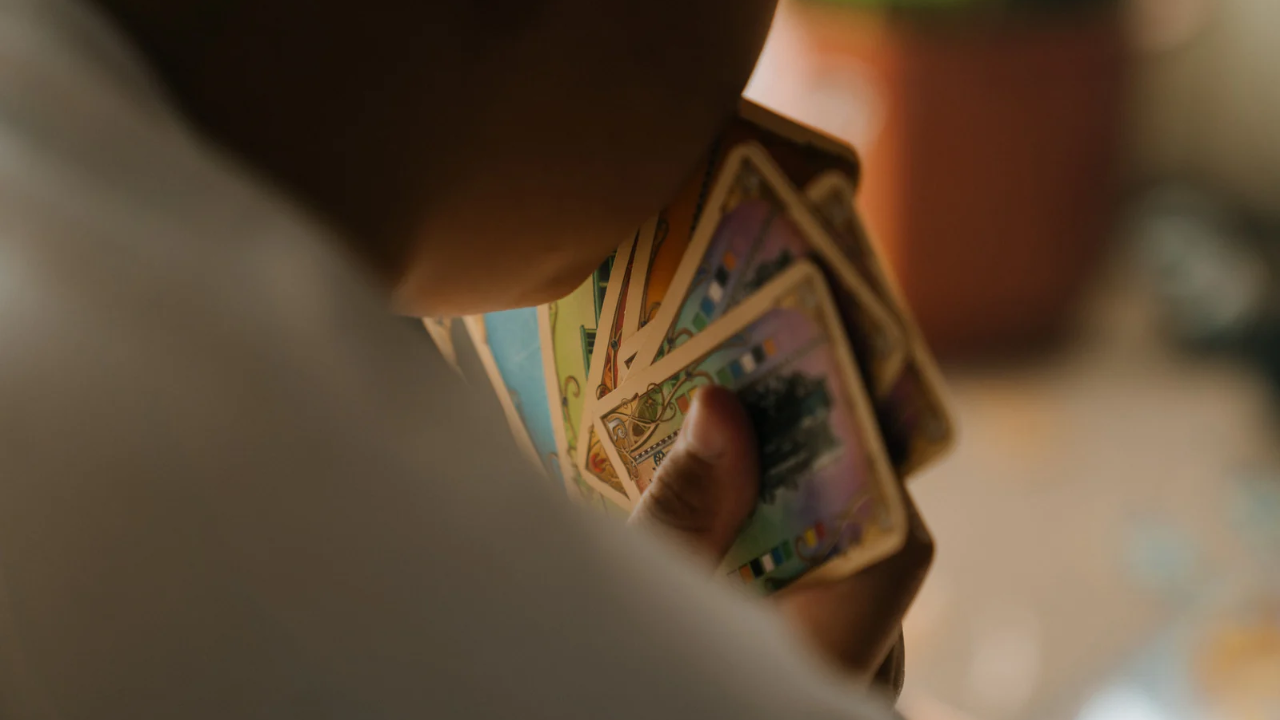
Plastic. Foil. Heavy-stock paper printed in late-nineties Japan or early-aughts North America.
To an outsider, a binder of Pokémon cards looks like a relic of recess—a nostalgic clutter of brightly colored creatures tucked into nine-pocket polypropylene sleeves. You might see a cartoon fire-breathing dragon or an electric mouse and feel a brief, warm pang of 1999. Then you move on with your adult life. You pay the mortgage. You argue about who forgot to take the trash cans to the curb. Meanwhile, you can explore other developments here: Why the Canary Islands Arrival Surge Reveals a Broken Border Strategy.
Yet in a quiet suburban living room in Florida, those laminated squares became the sharpest weapons in a domestic war.
When police reports surfaced detailing a woman accused of seizing her ex-partner’s Pokémon card collection during a heated argument to pressure him into compliance, the internet did what it always does. It laughed. Comment sections filled with jokes about adults refusing to grow up, about "man-children" crying over trading cards, about the absurdity of a police blotter reading like a middle-school playground dispute. To see the bigger picture, check out the detailed report by Reuters.
That laughter misses the point entirely. It is a failure of empathy disguised as maturity. Because when you strip away the pop-culture veneer, this story is not about cartoons. It is about leverage, emotional warfare, and the quiet, devastating reality of what happens when someone decides to hold your history hostage.
The Architecture of a Modern Relic
To understand why a binder of cardboard can bring a grown man to his knees—or drive a furious partner to reach for it first—you have to understand what these objects actually are today.
I remember the exact smell of opening a fresh booster pack in 1999. It was a sharp, chemical tang of ink and foil wrappers that promised the world. Back then, we traded them on concrete sidewalks, scraping the corners, oblivious to centering or surface wear. We didn't know we were handling bearer bonds.
Fast forward twenty-five years. The global trading card market has exploded into a multi-billion-dollar asset class. According to market analysts, vintage and high-grade Pokémon cards have routinely outperformed traditional stock indices over the last decade. A single PSA 10 First Edition Charizard has commanded hundreds of thousands of dollars at auction. Even a modest, well-kept childhood binder—filled with base-set holofoils, Neo Genesis rares, or modern chase cards—can easily represent ten, twenty, or fifty thousand dollars in liquid value.
Consider a hypothetical collector, let’s call him Marcus. Marcus isn't a Wall Street tycoon. He works a standard nine-to-five, drives a used sedan, and keeps a three-ring binder tucked on the top shelf of his bedroom closet. Inside that binder are cards he pulled with his father at a local hobby shop twenty years ago, alongside a few modern graded slabs he saved up for over three Christmases. That binder is simultaneously his emergency savings account and a physical museum of his happiest memories.
Now, imagine an argument erupts in Marcus’s home.
When relationships fracture, people rarely reach for the toaster. They do not threaten to smash the dry-erase board on the fridge. Instinctively, almost surgically, an angry partner searches for the object that carries the highest concentration of the other person's identity and security.
If you take someone’s car keys, you trap them in space. If you take their phone, you cut off their voice. If you take their collection, you hold their past and their financial safety net over an open flame.
Anatomy of Coercion
Let’s look closely at the mechanics of what happened in Florida. According to the allegations, the dispute wasn't a random burglary. It was a targeted seizure during a fight, specifically designed to "pressure" the victim.
In behavioral psychology and domestic conflict analysis, this is known as coercive control—a pattern of behavior that seeks to take away another person's liberty or freedom, to strip away their sense of self. Most people picture physical violence when they hear the term domestic abuse. Law enforcement officers and victim advocates know better. Long before a fist is ever raised, or even when no physical blow is ever struck, control is established through the manipulation of personal property, finances, and sentimental anchors.
Think of it like taking a family pet during a breakup, or hiding a partner's passport before a flight. The monetary value is only half the equation; the psychological terror lies in the fragility of the hostage.
A gold watch can be tossed into a drawer and retrieved later without a scratch. A trading card is unforgiving. One bent corner drops a card's grade from a pristine Gem Mint 10 to a near-worthless 4. A single drop of water, a careless crease, a retaliatory tear down the middle—and ten thousand dollars of equity vanishes in half a second. The sheer vulnerability of paper makes it the ultimate instrument of extortion.
"Do what I say, come back here, answer my calls, drop the issue—or watch what happens to the binder."
You don't even have to say the words out loud. Simply walking out the door with the box under your arm communicates the threat with chilling clarity.
The Stigma That Silences Victims
Here is where the story takes a darker, quieter turn.
When a woman’s designer handbags are slashed during a domestic dispute, society immediately recognizes the malice and the financial devastation. When a man’s golf clubs are snapped in half, late-night television treats it as a punchline—a comedic trope of the "scorned lover." And when a collector’s Pokémon cards are stolen or held for ransom? The victim often faces a wall of ridicule before they even dial 911.
I have spoken with collectors who have lived through the aftermath of retaliatory property theft, and the hardest part is rarely the financial hit. It is the shame of having to explain it to an authority figure.
Imagine standing on your front porch at midnight, trying to explain to a tired sheriff's deputy why a piece of cardboard with a drawing of a water turtle on it is worth more than your car. You watch the officer’s eyes glaze over. You see the slight twitch at the corner of their mouth. You feel the sudden, overwhelming urge to apologize for your own grief, to minimize the theft because you know how childish the words sound hanging in the humid night air.
Under Florida law—and the criminal statutes of nearly every state—theft is defined by intent and value. Depriving someone of their property temporarily or permanently to compel them to act against their will isn't a "lovers' quarrel." Depending on the appraised value of the items taken, it can quickly cross the threshold from a misdemeanor into a third-degree felony grand theft, carrying potential prison time and a permanent criminal record.
Yet countless victims never make that call. They capitulate. They give in to the demands of the person holding their binder. They transfer the money, they stay in the toxic living arrangement, or they swallow the abuse, all to ensure that the binder comes back unbent.
The ridicule of the public acts as an invisible accomplice to the person making the threat. Every meme mocking the victim reinforces the abuser’s leverage: Nobody is going to take you seriously anyway.
Why We Anchor Ourselves to Things
To dismiss this as materialism is to misunderstand human nature.
Anthropologists have studied our attachment to inanimate objects for centuries. We are meaning-making machines. Because memory is unreliable and time moves ruthlessly forward, we pour our history into physical vessels. A wedding ring is just a band of yellow metal; a photograph is just silver halide on paper; a vintage trading card is just cardstock and foil.
They matter because we agree they matter, and because they survive when moments do not.
For many adults who grew up in unstable homes, or who navigated lonely childhoods, collecting was the one arena where the rules made sense. You organized the binder. You protected the sleeves. You built order out of chaos. Carrying that hobby into adulthood isn't an inability to grow up; it is often the preservation of a safe harbor.
When an intimate partner—someone you trusted with the keys to your home and the vulnerabilities of your heart—invades that harbor and weaponizes it against you, the betrayal cuts twice. First, you lose the object. Second, the object itself is poisoned. Even if the police recover the cards, even if every holographic foil is returned without a single hairline scratch, the memory attached to it has been rewritten. Now, when you open that binder, you don't see your childhood. You see the night you had to beg for your own life back.
Navigating the Wreckage
If you are a collector—whether your passion is vintage cards, rare vinyl, watches, or comic books—living in a shared space requires a sobering dose of realism. Love is wonderful, but trust is not a fireproof safe.
Start by separating sentiment from vulnerability. Anything in your collection that carries high financial value or irreplaceable personal history does not belong in an unlocked bedroom closet during a turbulent season of life. Safety deposit boxes at local banks cost pennies a day compared to the value of a high-end collection. At a minimum, a bolted, fire-rated home safe whose combination belongs strictly to you removes the temptation of impulsive retaliation during an argument.
Document everything before conflict ever arises. Take clear, high-resolution photographs of your most valuable pieces, record certification numbers for graded slabs, and maintain an updated spreadsheet of market values. If the worst happens and you have to file a police report or an insurance claim, hard data transforms an "emotional dispute over toys" into an undeniable, documented financial crime.
More importantly, recognize the red flag for what it is.
A healthy partner does not need to love your hobbies. They are allowed to think your obsession with cardboard is silly, expensive, or baffling. They are even allowed to be furious with you when relationships hit rough patches. What they are never allowed to do is target the things you love as collateral to force your submission.
The moment someone reaches for your most prized possession as a bargaining chip in an argument, the relationship has already crossed a fatal boundary. The fight is no longer about dishes, or money, or infidelity. It has become a question of power.
The Quiet Aftermath
Think back to that police report in Florida. Strip away the headlines designed for clicks. Forget the bright primary colors of the cards themselves.
Picture a quiet room after the sirens fade and the doors are locked. Picture a table cleared of clutter, and a single three-ring binder lying flat under the kitchen light.
Someone opens the cover. Slowly, carefully, they turn a plastic page, checking the corners of every sleeve, holding their breath to make sure nothing was bent in the dark.