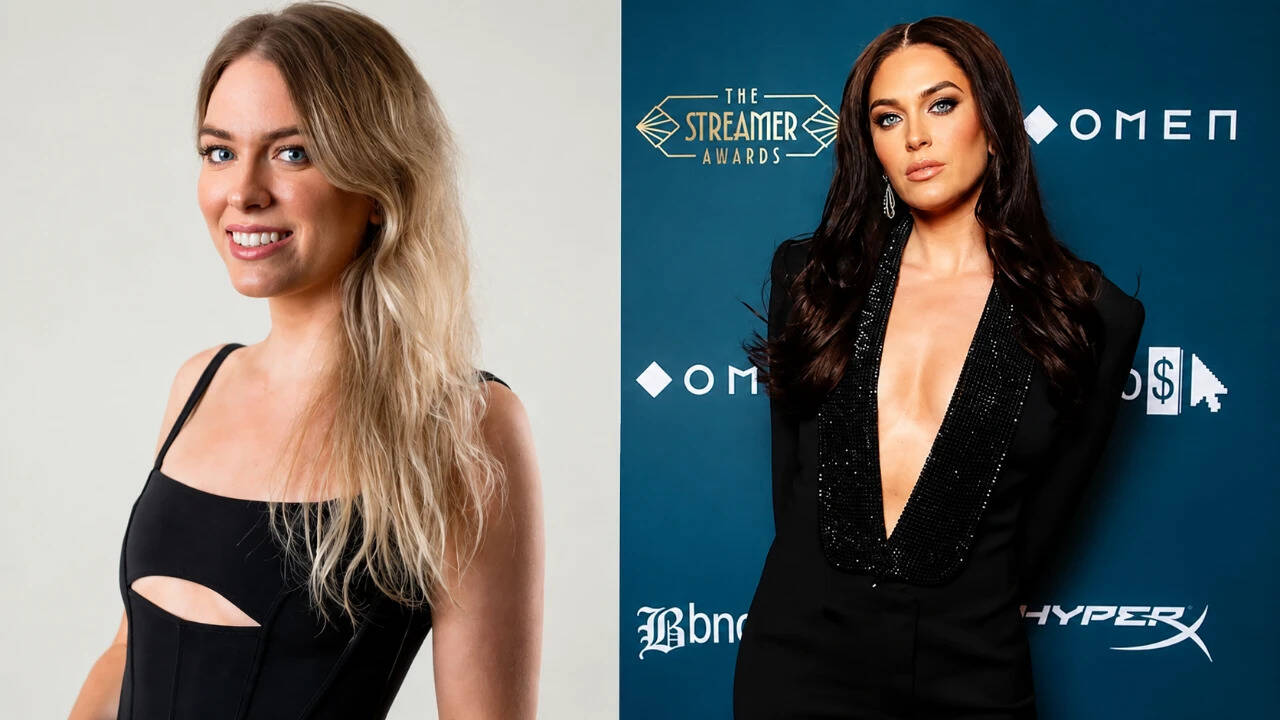
The internet loves a good public hanging. Every few months, the Twitter algorithm spits out a new target, the outrage machine spins up to maximum velocity, and thousands of terminally online spectators rush to virtue-signal their moral superiority from behind glowing screens. The latest recipient of this ritualistic mob justice is QTCinderella, dragged back into the mud over recycled clips and historical remarks from people in her social orbit.
The lazy consensus in every mainstream write-up follows a predictable, tired script. A streamer is linked to someone who said something offensive years ago, the internet feigns absolute shock, advertisers clutch their pearls, and an army of self-appointed moral arbiters demands an immediate public flogging or total digital exile.
It is a completely bankrupt way to view digital culture.
Strip away the righteous noise, and you realize this isn't about accountability at all. It is cheap performance art for people with too much time and zero psychological nuance.
The Anatomy of Manufactured Outrage
Let us look at how these internet circuses actually operate behind the curtain. I have watched creator networks panic, PR firms bill massive retainers for damage control, and communities tear themselves apart over non-issues. The mechanics are always the same.
A controversy does not break out because someone committed an active harm. It breaks out because a specific faction of internet users needs a dopamine hit of moral righteousness. They scan through old VODs, clip out-of-context sentences, and weaponize association. If creator A is friends with creator B, and creator B laughed at a bad joke in 2019, then creator A is apparently an accessory to ideological corruption.
This guilt-by-association framework is intellectually lazy. More importantly, it is mathematically absurd. Human social circles are messy, overlapping networks. Expecting a prominent streamer to thoroughly vet the ideological purity, private chat logs, and past teenage mistakes of every single person they have ever shared a Discord call with is a standard that no living human can meet.
Yet, the mob pretends otherwise. Why? Because holding people to impossible standards guarantees a steady supply of targets. If perfection were attainable, the outrage merchants would be out of a job.
The Flawed Premise of Guilt by Orbit
People asking how QTCinderella could associate with individuals who made poor remarks are asking the wrong question entirely. The real question is why we expect public entertainers to act as ideological gatekeepers for their entire friend group.
Imagine a scenario where you are judged at your workplace not by your own output, but by the worst thing your college roommate tweeted six years ago. You would be fired by lunchtime.
On Twitch and YouTube, this standard is somehow treated as normal. The digital ecosystem operates on a weird parasocial feudalism where viewers believe purchasing a subscription or watching an ad grants them ownership over a creator's personal life choices. When a creator fails to police their friends to the satisfaction of internet strangers, the mob treats it as a personal betrayal.
This is where the standard commentary fails completely. Critics treat social networks like corporate hierarchies. They assume creators have HR departments capable of issuing disciplinary actions or terminations to their peers. In reality, streamer friendships are organic, messy, and built on shared history, creative collaboration, and mutual survival in an exhausting industry. You cannot simply fire a friend because a Reddit thread demands a sacrifice.
The Economics of Apology Loops
When these controversies hit, the standard playbook demands an apology video. Let us be brutally honest about those.
Apology videos are not acts of contrition. They are currency exchanges. A creator stands in front of a neutral background, delivers a carefully scripted statement of remorse, and hopes to appease the algorithm gods enough to stop the bleeding.
Does the mob accept these apologies? Rarely. The apology is treated as an admission of guilt, which only fuels the second wave of commentary videos, breakdown essays, and reaction streams. It is an ouroboros of content creation. Drama channels farm the outrage for views, sponsors react to the noise by pulling budgets out of caution, and the original creator is left playing defense in a game where the rules change every hour.
Participating in this cycle rewards the worst actors in the digital space. It tells bad-faith agitators that if they stir up enough dust, they can dictate who gets to succeed and who gets starved of revenue.
The High Cost of Purity Spirals
The alternative to this toxic cycle is not a free-for-all where anything goes. The alternative is recognizing the difference between genuine harm and rhetorical theater.
Real accountability involves addressing direct actions, clear malice, and material consequences. Internet witch-hunts involve combing through thousands of hours of live-streamed audio to find stray words that can be reframed into a mortal sin.
When we treat every social misstep as an existential threat, we create a chilling effect across the entire creative landscape. Creators stop taking risks. They stop collaborating outside their immediate safety bubbles. They sanitize their content until it is completely devoid of personality, wit, or spontaneity. We are actively engineering a culture of sterile, corporate robots because we refuse to accept that human beings are flawed, evolving creatures who sometimes say stupid things.
Stop looking to Twitch streamers for moral leadership. Stop treating social media circles like political cabinets. And above all, stop feeding the outrage machine the engagement it desperately needs to survive.
The next time a manufactured controversy drops into your feed, do not click the outrage bait. Close the tab. Let the mob scream into an empty room.