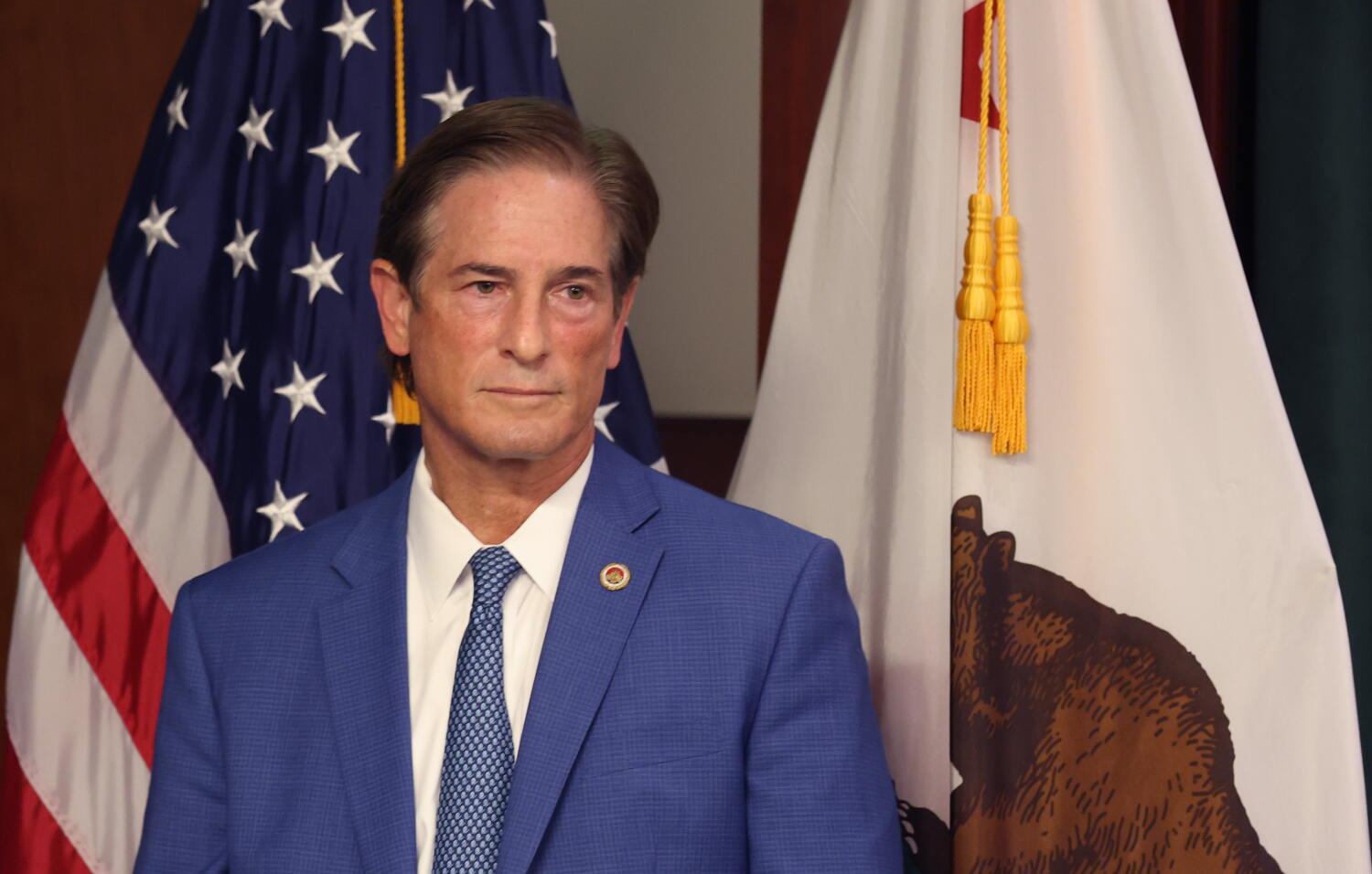
We love a good institutional catfight. When high-profile legal figures trade public barbs over ballot security, the media treats it like a championship prize fight. The lazy consensus says this is a classic battle between security and access, a noble friction over democratic safeguards.
That framing is pure comfort food for lazy pundits. It completely misses the structural reality of how institutional authority actually flexes in modern America. Also making headlines in this space: Inside the Middle East Quagmire Nobody is Daring to Name.
I have watched public agencies blow millions of dollars and countless operational hours investigating phantom vulnerabilities while actual institutional rot happens entirely out in the open. The entire public discourse around California's administrative oversight is structured around a false binary. We are told to choose between total law enforcement intervention or complete administrative autonomy. Both options ignore the fundamental mechanics of how accountability breaks down.
The Myth of Neutral Administrative Machinery
Let us define terms. When administrative bodies claim their processes are entirely self-correcting, they rely on an idealized view of bureaucracy that has never existed. The assumption that local registrars operate in a pure, friction-free vacuum is a fairy tale. More information regarding the matter are detailed by Associated Press.
Yet, the counter-move of dispatching armed peace officers to seize ballots under the guise of grassroots investigations is an equally transparent overreach. This is not about protecting the sanctity of a vote. It is about jurisdictional turf wars wrapped in patriotic branding. When law enforcement leaders cross the line into election administration, they are not acting as neutral arbiters of justice. They are performing political theater for an audience conditioned to distrust baseline civic functions.
Consider a scenario where an elected sheriff uses broad investigative powers to requisition hundreds of thousands of cast ballots based on unverified data interpretations. The immediate reaction from state leaders is to rush through defensive legislation like Senate Bill 73, criminalizing peace officer interference in election administration.
Everyone focuses on the theater of the courtroom battles playing out before the California Supreme Court. They argue over police powers, search warrants, and statutory boundaries. But this fierce debate distracts from the core systemic failure: the administrative apparatus is completely opaque to the average citizen until a crisis forces it into the headlines.
The Real Cost of Institutional Distrust
The dangerous part of this ongoing spectacle is not the temporary chaos in the courts. The real damage is the systematic erosion of baseline operational competence. When every routine procedural delay is weaponized into a conspiracy narrative, public trust becomes collateral damage.
I have seen organizations crippled internally because leadership spent more time managing public relations and defending against hostile inquiries than executing core functions. The same principle applies here. State agencies and local election offices are spending precious resources litigation-proofing their processes instead of fixing genuine logistical bottlenecks.
If you want actual accountability, stop looking at the high-profile clashes between rival officials. Look at the quiet, unglamorous mechanics of how data flows from local precincts to central tabulators. That is where errors actually happen—not through grand cinematic conspiracies, but through mundane administrative fatigue and antiquated software systems.
What You Should Do Instead
If you are tired of watching political actors use civic machinery as a prop for their next career move, change how you engage with local governance.
- Audit the local budget, not the talking points: Ignore the televised press conferences. Pull the actual expenditure reports from your county registrar and local sheriff's department to see where investigative and administrative dollars are actually flowing.
- Track procedural timelines: Understand the mandated windows for ballot processing in your specific jurisdiction rather than reacting to social media panic over delayed counts.
- Support structural transparency: Demand open-source verification tools for local administrative data instead of relying on closed-door assurances from either partisan camp.
The friction between state and local leaders will not end with a single court ruling or a new piece of emergency legislation. As long as political advancement rewards institutional conflict, the barbs will keep flying. The only way out of the cycle is to stop treating administrative oversight as a spectator sport.
California Supreme Court oral arguments provides a direct look at how the state's highest court is currently handling these high-stakes jurisdictional disputes over ballot seizures.