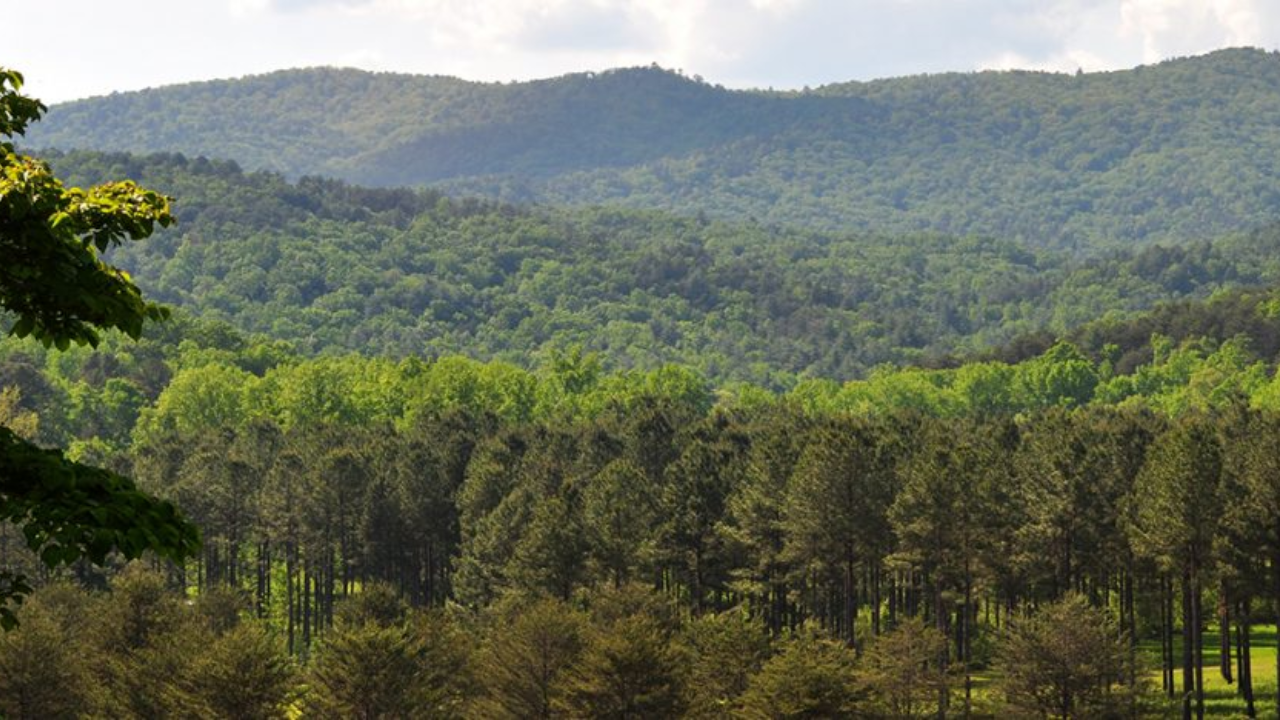
Every time a wealthy conservation group drops tens of millions of dollars to lock up thousands of acres of timberland and call it a victory, champagne corks pop across environmental boardrooms. Headlines praise the triumph over rapacious developers. Celebrities retweet the press releases. The lazy consensus rules supreme: keeping bulldozers away from trees is the highest form of ecological stewardship.
It is a comforting narrative. It is also an absolute disaster for actual land health.
I have spent decades watching well-meaning foundations and preservation trusts lock gates, post "No Trespassing" signs, and walk away, assuming nature handles the rest. They mistake stasis for preservation. They look at an 8,000-acre South Carolina timber tract, panic at the sight of a grading permit, and write a massive check to freeze the clock.
That is not conservation. That is ecological taxidermy.
The Myth of Pristine Isolation
Let us dismantle the core premise of modern land acquisition. The prevailing dogma suggests that the moment human intervention stops, an ecosystem heals. Leave it alone, the argument goes, and the forest returns to some mythical, pre-settlement Eden.
Nature does not work that way. The American Southeast is not a fragile museum exhibit that shatters when humans touch it; it is a fire-dependent, dynamic biome that evolved alongside Indigenous management, frequent burning, and active disturbance. When you buy a massive tract of lobloolly and longleaf pine and abandon active management in the name of purity, you do not create a wild sanctuary. You create a tinderbox.
Without thinning, burning, and targeted harvest, single-species pine plantations morph into dense, choked thickets. Canopy closure chokes out the understory. Native grasses vanish. The red-cockaded woodpecker loses its foraging grounds. When the inevitable lightning strike hits an unmanaged, overgrown forest choked with dense midstory ladders, the resulting wildfire does not gently clear the brush. It sterilizes the soil down to the bedrock.
Developers are short-sighted, sure. They want to pave paradise to put up subdivision pods with names like Pinehurst Estates. But at least they are honest about their disruption. Conservation groups often cause equal damage through neglect, masking ecological ignorance behind righteous moral posturing.
Who Actually Wins When Timber Becomes a Park?
Follow the money. When an 8,000-acre tract transitions from commercial timber production to a protected public or private preserve, local tax bases take a direct hit. Counties dependent on working lands watch their revenues evaporate. To compensate, local governments shift the tax burden onto residential property owners, squeezing working-class families who have lived in the county for generations.
Meanwhile, the elite donors and foundation executives who orchestrated the buyout secure massive tax write-offs and pat themselves on the back at charity galas. They trade in carbon offset credits that let industrial polluters keep pumping carbon into the atmosphere, all while locking local hunters, foragers, and small-scale loggers out of land their families worked for a century.
This is conservation gentrification. It takes productive, working rural landscapes and turns them into exclusive playgrounds or untouched shrines for urban transplants who visit twice a year to take Instagram photos.
Imagine a scenario where a private equity firm and a green foundation bid on the same 8,000-acre parcel. The developer wants to clear-cut and pave 30 percent and leave the rest as fragmented green space. The foundation wants to lock the gate and never touch a tree again. Ecologically, both approaches fail the long-term test of biodiversity. One kills the land with asphalt; the other kills it with neglect.
The Counter-Intuitive Truth About Working Forests
Real conservation is messy, expensive, and demands continuous labor. It is not about putting a fence around nature and throwing away the key. It is about active, aggressive stewardship that mimics natural disturbance regimes.
Working forests—managed properly—provide a better ecological outcome than locked-up preserves. Sustainable timber harvest creates structural diversity. It opens gaps in the canopy, allowing sunlight to hit the forest floor, fueling regeneration for berry-producing shrubs, flowering plants, and the insects that support migratory birds.
When landowners practice selective harvesting, they mimic the natural blowdowns and fires that shaped southern pine ecosystems for millennia. Furthermore, a healthy market for sustainable timber gives private landowners a financial incentive to keep their land forested rather than selling to developers. If owning timberland becomes financially unviable because of hostile regulations and tax penalties, every acre gets parceled out. Locking up land doesn't stop development pressure; it compresses it onto neighboring parcels, driving up land values and accelerating sprawl everywhere else.
What Real Land Stewardship Looks Like
If we want to protect southern forests, we must abandon the Disney-fied fantasy of untouched wilderness. We need to stop celebrating acquisitions that merely change the name on the deed and start evaluating land deals based on operational management plans.
Here is what actually works:
- Adaptive Management Mandates: No land should be acquired for conservation without a legally binding, fully funded 50-year plan for prescribed burning and mechanical thinning.
- Working Land Integration: Keep the loggers, but change the rules. Mandate uneven-aged management, retention of legacy trees, and strict watershed protections while maintaining local economic viability.
- Public Access With Teeth: If public or philanthropic money buys the land, the public must have access for hunting, foraging, and recreation. Conservation that excludes the local community breeds resentment, and resentment kills conservation faster than a bulldozer.
The next time a massive conservation purchase hits the news cycle, do not look at the acreage total. Look at the management endowment. Ask who is burning the understory. Ask who pays the property taxes. And ask whether the land is being saved for the ecosystem, or for the egos of people who do not know the difference between a longleaf pine and a loblolly.
Stop locking the gates. Start working the land.