Sixteen days into the most violent reconfiguration of the Middle East in a generation, the conflict between Israel, the United States, and Iran has moved past the stage of "precision strikes" and into the grim reality of a war of exhaustion. While the White House broadcasts statistics of a 90% reduction in Iranian missile launches, the truth on the ground in Tel Aviv and Riyadh tells a different story. Iran is not out of the fight; it has simply changed the nature of the engagement.
As of March 16, 2026, the combined air campaign—dubbed Epic Fury by Washington and Roaring Lion by Jerusalem—has conducted over 7,600 strikes across Iranian territory. The initial objective was clear: decapitate the leadership and dismantle the nuclear and ballistic programs. With the death of Supreme Leader Ali Khamenei in the opening salvos and the subsequent rise of his son, Mojtaba, the first goal was technically achieved. However, the resulting power vacuum has been filled not by a moderate civilian government, but by an unchained Islamic Revolutionary Guard Corps (IRGC) that is now "calling the shots" without the tempering influence of the old guard.
The Strategy of Dispersed Defiance
Despite losing an estimated 85% of its integrated air defense systems and radars, Iran has successfully transitioned to a mobile, dispersed insurgency model. On March 15 alone, ten separate ballistic missile waves were identified targeting central Israel. These are not the massive, easily tracked salvos of day one. Instead, the IRGC is utilizing "shoot and scoot" tactics with remaining mobile launchers, often hiding them in civilian infrastructure or rugged mountainous terrain in western Iran.
The Israeli Defense Forces (IDF) have neutralized more than 70% of Iran’s fixed missile launchers, but the remaining 30% represent a lethal, localized threat that the "iron dome" of regional defense is struggling to suppress entirely. This isn't just a military problem; it's a math problem. Intercepting a $20,000 modified Shahed drone with a $2 million interceptor missile is a fiscal hemorrhage that cannot be sustained indefinitely.
Russia’s Hidden Hand in the Drone War
Intelligence confirmed by Ukrainian sources and now acknowledged by Western analysts suggests that the drones currently terrorizing the Gulf states are not just "Iranian-designed." They are Russian-produced Shahed variants, modified with specialized components that make them harder to detect by standard radar arrays.
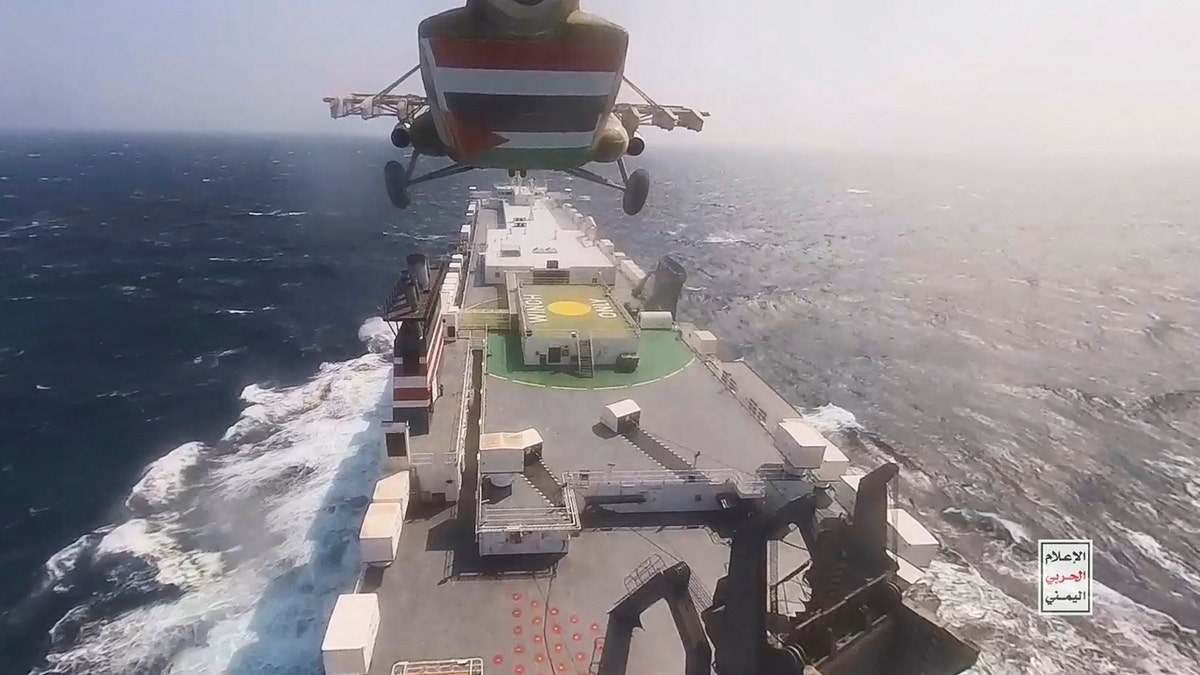
This technological infusion allows the IRGC to keep the Strait of Hormuz paralyzed. By attacking the periphery—Saudi oil infrastructure, Dubai’s logistical hubs, and US bases in Iraq—Iran is forcing the coalition to spread its resources thin. It is a classic asymmetric strategy: you don't have to win the sky if you can make the ground too expensive to hold.
The Collapse of the Lebanese Buffer
To the north, the "Lebanese file" has become a separate, equally volatile theater. Following the Lebanese government's decision to outlaw Hezbollah’s military activities, the organization has effectively occupied southern Lebanon as a sovereign combat zone. On March 14, Hezbollah launched 56 attack waves, the highest single-day total since the war began.
Israel’s response has been the deployment of an additional division and two brigades to the Northern Command. The goal is no longer just "mowing the grass" but a permanent demarcation of the border. Yet, the humanitarian cost is skyrocketing. Beirut's southern suburbs are in ruins, and the Lebanese state—already a ghost of its former self—is witnessing a 50% collapse in commercial and industrial activity.
The Economic Black Hole
For the global observer, the most immediate impact is the price of oil. Brent crude is stubbornly holding above $100 a barrel. The closure of the Strait of Hormuz has created a bottleneck that the U.S. Navy, even with its massive carrier presence, has yet to reopen.
President Donald Trump’s call for a "naval coalition" to escort tankers is a desperate attempt to share the risk. Most allies are hesitant. The risk of a "tanker war" 2.0, where any civilian vessel is a target for Iranian shore-to-ship missiles, has made the insurance premiums for maritime transit prohibitive.
Internal Pressure and the "Regime Change" Fallacy
Inside Iran, the situation is a paradox. The January 2026 protests showed a population desperate for change, yet the foreign strikes have, in some sectors, triggered a "rally around the flag" effect. The IRGC is using the external threat to justify a brutal internal crackdown, framing all dissent as collaboration with the "Zionist-American" offensive.
The Western assessment that strikes would lead to a rapid regime collapse ignored the resiliency of the IRGC’s internal security apparatus. They aren't just fighting for an ideology anymore; they are fighting for their lives. This makes them more dangerous, not less.
The Illusion of a Ceasefire
Despite back-channel efforts by Oman and Egypt, there is no credible path to a ceasefire on the table. The Trump administration has rejected early diplomatic overtures, signaling that only a total dismantling of the IRGC’s power structure will suffice. Tehran, now led by a wounded and cornered Mojtaba Khamenei, views any concession as a death warrant.
The war has entered a phase where the "middle" has disappeared. There are no more indirect negotiations. There is only the grim rhythm of the air raid siren and the calculated exchange of fire.
The real reason this war is dragging on is that both sides have over-calculated their own leverage. Washington believed the air campaign would trigger an internal coup; Tehran believed its proxy network would force a Western retreat within days. Both were wrong. What remains is a high-tech meat grinder that is draining the world's energy reserves and redrawing the map of the Levant in blood.
The question for day 17 is no longer about who is winning, but about who can afford to lose the most.