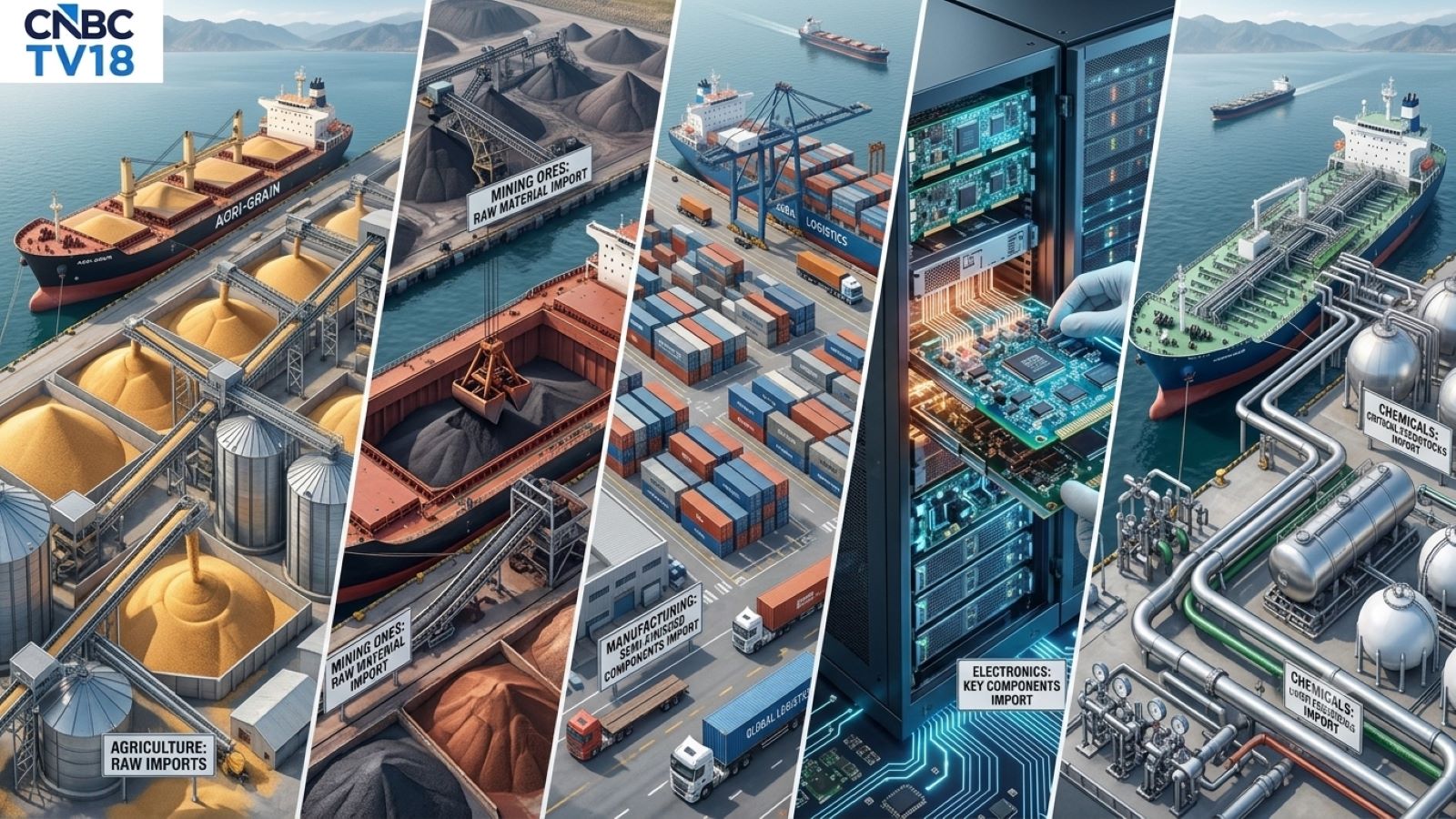
The era of handshake diplomacy over simple commodity exports is dead. When Australian Prime Minister Anthony Albanese and Japanese Prime Minister Sanae Takaichi met in Canberra today, the A$1.3 billion agreement they signed was not merely a trade deal. It was a defensive fortification. For decades, Australia functioned as Japan’s "quarry," and Japan as Australia’s "treasury." But as Middle Eastern shipping lanes choke under geopolitical tension and the race for battery dominance turns predatory, that comfortable arrangement is being replaced by a desperate, high-stakes integration of two national economies.
The immediate takeaway for those watching the markets is clear. Australia is committing over a billion dollars in taxpayer-backed financing to ensure that when Japanese industry needs lithium, nickel, or rare earths, they don't have to look toward Beijing. Japan, in turn, is abandoning its traditional role as a passive buyer, instead embedding itself directly into Australian soil through equity stakes and long-term infrastructure funding.
The Strait of Hormuz Shadow
While the official communiqués focused on "green transitions" and "resilient futures," the real catalyst for this urgency is the effective closure of the Strait of Hormuz. Prime Minister Takaichi was uncharacteristically blunt on the tarmac, noting that the disruption to liquid fuel supplies has inflicted an "enormous impact" on the Indo-Pacific.
Japan imports roughly 6% of its liquefied natural gas (LNG) through that narrow waterway, but its reliance on the region for crude oil is far more precarious. By elevating critical minerals to a "core pillar" of the relationship, Tokyo is attempting to leapfrog its current fossil fuel vulnerability. They are not just buying minerals; they are buying an insurance policy against the weaponization of traditional energy routes.
Moving Beyond the Quarry
For the first time, the "investor front door" is being swung wide open for Japanese firms to do more than just dig holes. The deal specifically targets downstream processing—the refining and manufacturing stages where the real value, and the real supply chain leverage, resides.
Several key projects are now moving from the whiteboard to the blast furnace:
- The Alcoa Gallium Recovery Project: A joint venture between Sojitz, JOGMEC, and Alcoa to extract gallium—a vital component for semiconductors and EVs—from alumina refineries in Western Australia.
- The Tivan Fluorite Project: Aimed at producing acid-grade fluorite, a raw material that has become a bottleneck for hydrofluoric acid production used in high-end electronics.
- The Kalgoorlie Nickel Project: A massive joint venture involving Sumitomo Metal Mining and Mitsubishi Corporation, designed to secure a non-Chinese pathway for battery-grade nickel.
These aren't just commercial enterprises. They are strategic assets being propped up by Export Finance Australia (EFA) and the Japan Organization for Metals and Energy Security (JOGMEC). When the state begins issuing "non-binding Letters of Support" to the tune of hundreds of millions, it’s a signal that the market alone can no longer guarantee national security.
The Hydrogen Gamble
There is a glaring friction point in this new compact that few want to discuss. Japan is doubling down on nuclear restarts and coal utilization to survive the current energy shock, yet the long-term "Green Hydrogen" dream remains the center of the Australia-Japan narrative.
The Accelleron reports coming out of regional ports show a disturbing trend. While the technology for ammonia-ready ships exists, the actual production of green fuel is lagging years behind schedule. Australia is betting big on becoming a hydrogen superpower, but Japan’s immediate crisis-response—suspending caps on inefficient coal plants—suggests a pivot back to "dirty" baseload power that could undermine the very green premium Australian exports are counting on.
The Cost of Decoupling
This level of economic melding comes with a price tag that private capital has been hesitant to pay. The IEA estimates that meeting net-zero mineral demand will require nearly half a trillion dollars in cumulative investment by 2050. Australia’s A$1.3 billion is a down payment, but it’s a drop in the bucket compared to the capital flight and infrastructure costs required to truly bypass existing global monopolies.
Japanese companies are also rightfully nervous about Australian domestic policy. The threat of strikes at major gas facilities and the rising political clamor in Canberra to increase taxes on resource exports have made Tokyo’s boardrooms twitchy. This new agreement is, in many ways, a "peace treaty" intended to reassure Japanese investors that their capital won't be seized by the next Australian budget cycle.
The reality of 2026 is that energy security is no longer about who has the most resources, but who has the most reliable friends. Australia and Japan are no longer just trading partners; they are becoming a single, integrated industrial machine designed to survive a fragmenting world. Whether this billion-dollar bet can scale fast enough to replace the vanishing stability of the old world order remains the definitive question of the decade.