The illusion of a stable global energy market evaporated Sunday night as crude prices surged over 6%, fueled by the collapse of a fragile two-week ceasefire between the United States and Iran. Brent crude climbed toward $97 per barrel, while U.S. crude jumped to $87.88, erasing the brief relief that followed Tehran’s Friday promise to reopen the Strait of Hormuz. The market is reacting to a hard reality: the "ceasefire" was never a functional peace, but a tactical pause that both sides used to recalibrate their leverage.
Investors who bet on a sustained cooling of tensions were caught in a liquidity trap. By Saturday, Iran reversed its decision to open the waterway after President Donald Trump confirmed that the U.S. Navy’s blockade of Iranian ports would remain in place regardless of transit status. This is not just a temporary price hike; it is the manifestation of a systemic failure in maritime security that has already slashed tanker traffic by 88% since the conflict began in February.
The Mirage of De-escalation
The recent price volatility stems from a fundamental disconnect between diplomatic rhetoric and the operational realities on the water. On Friday, the mere suggestion that Iran would allow commercial traffic to resume triggered a 9% plunge in oil prices. It was a classic "buy the rumor, sell the fact" moment, but the "fact" never materialized.
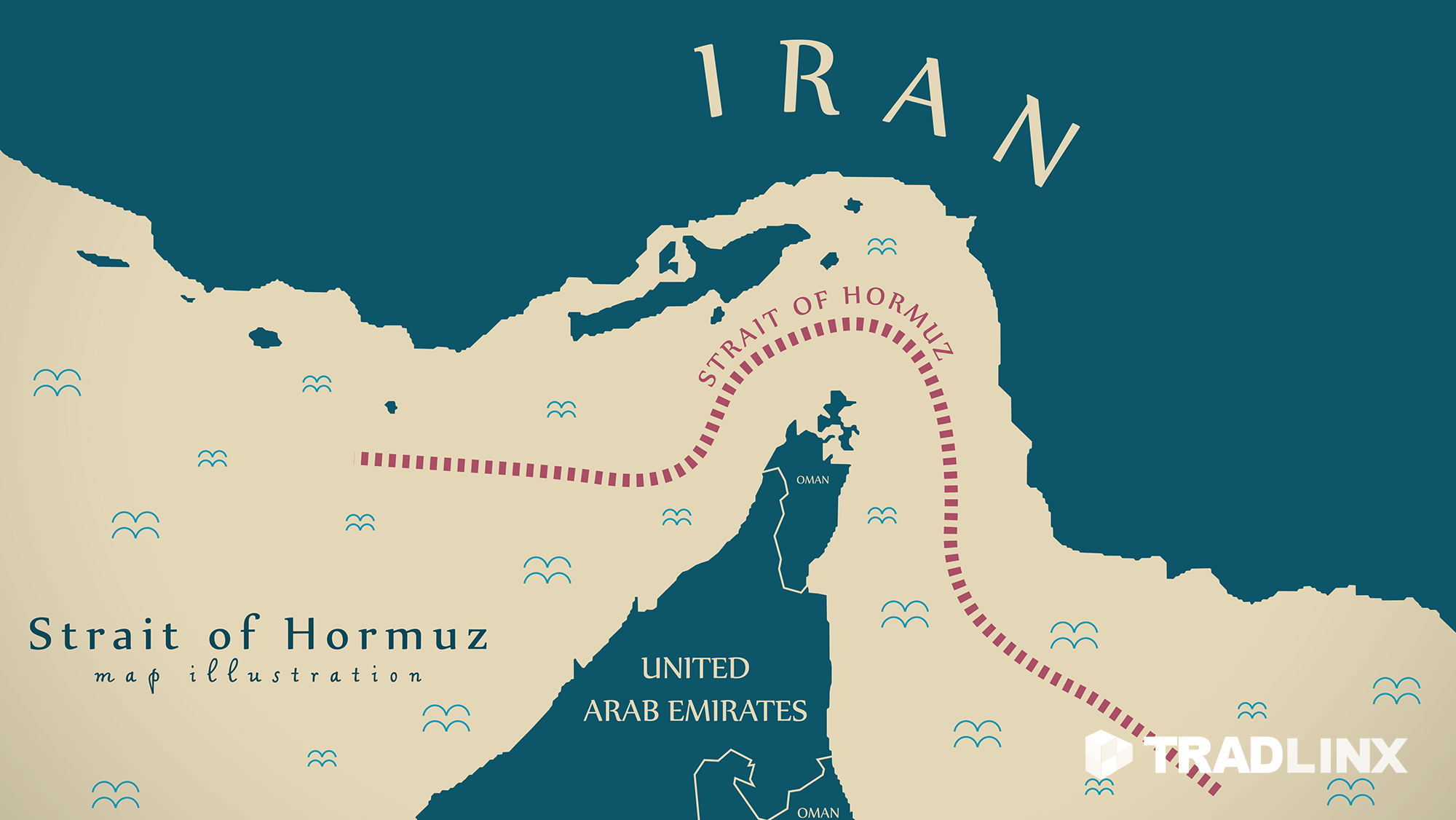
The U.S. administration’s stance is clear: the naval blockade of Iranian exports is non-negotiable until Tehran’s nuclear and regional influence is fundamentally checked. Iran, in turn, has weaponized the Strait of Hormuz, a chokepoint through which 20% of the world’s liquid energy flows. By announcing a reopening and then immediately rescinding it after the U.S. refused to lift its own sanctions-led blockade, Iran proved it can manipulate global markets with words alone.
For the veteran analyst, the pattern is familiar. We are seeing a return to "tanker war" logic, but with 21st-century technology. Iran isn't just using speedboats; they are employing GNSS jamming and satellite spoofing to make navigation impossible for any captain unwilling to risk a multi-million-dollar hull.
Why the Islamabad Talks Failed
The failure of the recent Islamabad negotiations was the primary catalyst for the current spike. Diplomats attempted to decouple the "freedom of navigation" in the Strait from the broader U.S.-Israel-Iran war. It was a naive pursuit.
- Toll Demands: During the brief lull, Iran attempted to charge commercial vessels "transit fees" exceeding $1 million per ship. This was a blatant attempt to bypass U.S. financial sanctions by turning the Strait into a private toll road.
- The Shadow Fleet Factor: The U.S. Treasury recently intensified "Economic Fury" operations, targeting the Shamkhani network—an illicit oil smuggling ring. This narrowed Tehran's revenue streams, leaving the regime with few options other than physical disruption of the Strait to gain leverage.
- The Second Front: While the world watched the Persian Gulf, China moved to block the Scarborough Shoal in the South China Sea. This synchronized pressure suggests a broader geopolitical alignment that the current ceasefire framework was never designed to handle.
The Supply Chain Haemorrhage
The numbers coming out of the Gulf are staggering. Before February 28, the Strait of Hormuz saw an average of 138 commercial vessels daily. As of April 20, 2026, that number has dwindled to roughly 16.
This isn't just about oil. Liquefied Natural Gas (LNG) shipments from Qatar have slowed to a trickle. In March, Iran struck the Ras Laffan Industrial City complex, and analysts estimate the damage will take three to five years to fully repair. This has forced QatarEnergy to declare force majeure, leaving European markets—already reeling from a harsh winter and low storage levels—to compete for limited American and African cargoes.
The Cost of Risk
Shipping insurance has become the "stealth tax" on global trade. For the few shipowners willing to brave the Strait, premiums have reached levels that make the voyage economically unfeasible without government subsidies. It’s not just the fear of a missile; it’s the certainty of a mine. The IRGC has reportedly deployed sophisticated sea mines that require specialized U.S. or GCC mine-countermeasure vessels to clear—a process that cannot happen while active hostilities continue.
The False Hope of Strategic Reserves
The traditional solution to a supply shock is the release of Strategic Petroleum Reserves (SPR). However, the SPR is a finite tool for a chronic problem. If the Strait remains effectively closed through the summer, even a massive release will only provide a temporary ceiling on prices.
We are entering a period of "energy balkanization." Countries in Asia, particularly China, India, and Japan, which account for 75% of the oil transiting the Strait, are the most exposed. Europe is a close second. The United States, while buffered by domestic production, cannot escape the inflationary gravity of a global price spike. U.S. Energy Secretary Chris Wright’s admission that gas prices might not return to sub-$3 levels until 2027 is an uncharacteristically candid acknowledgment of the long-term damage already done.
The GCC’s Pivot to Sovereignty
A significant, yet overlooked, shift is the movement toward a GCC-led Maritime Security Task Force. For decades, Gulf states relied on the U.S. "security umbrella." That umbrella has holes.
Bahrain, Saudi Arabia, and the UAE are now pushing for a regionally led coalition to manage the Strait. The goal is to move away from ad-hoc external naval support toward a standing force capable of mine clearance and counter-drone operations. This is a direct response to the realization that U.S. and Israeli military objectives in Iran may not always align with the Gulf’s need for stable export routes.
The Economic Endgame
The current surge is the "second wave" of the 2026 energy crisis. The first wave was the shock of the initial attacks in February. This wave is different; it is the market pricing in a long-term blockade.
The Federal Reserve and the European Central Bank have already postponed planned interest rate reductions. Inflation is no longer a ghost; it is a permanent resident of the 2026 economic landscape. If the stalemate persists, the risk of technical recessions in energy-dependent economies like Germany and South Korea moves from "likely" to "certain."
The "ceasefire" was a paper shield. As tankers turn away from the Persian Gulf and oil prices resume their upward trajectory, the world must confront the fact that there is no quick fix for a conflict that has physically severed the world’s most important energy artery. The time for optimistic speculation has passed. We are now in a war of attrition where the primary casualty is the stability of the global economy.