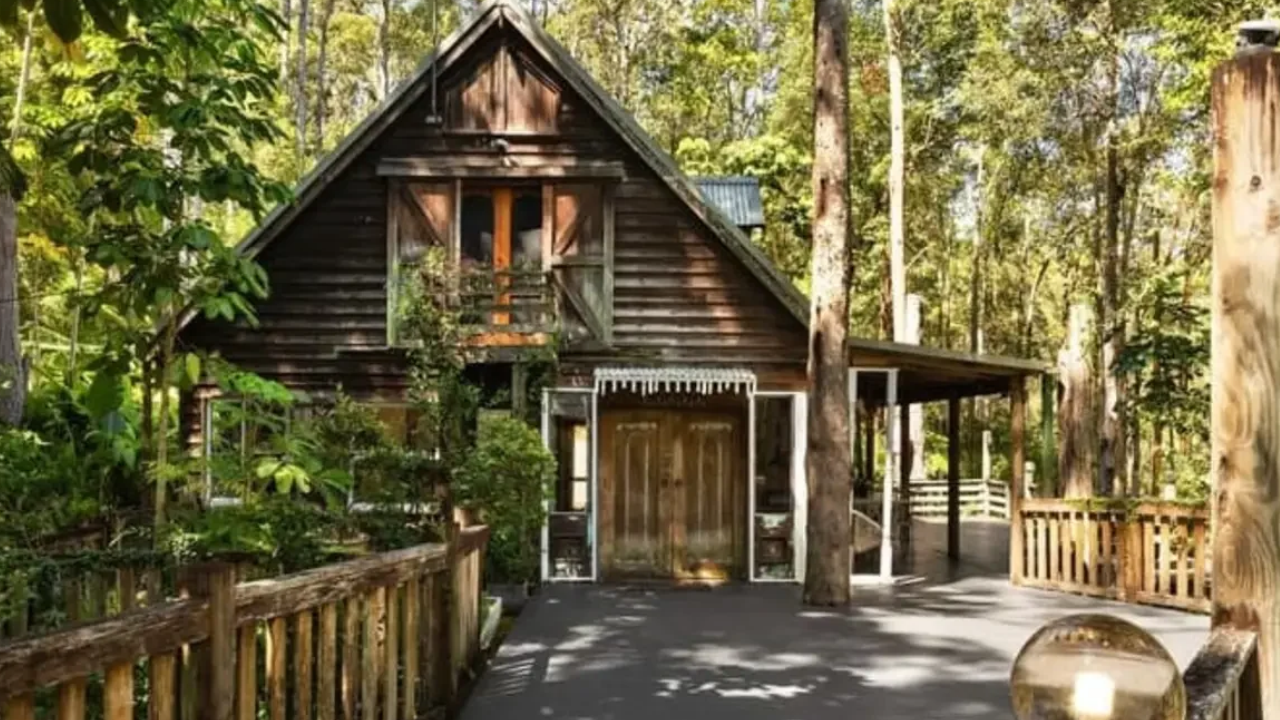
Fifty thousand Australian dollars. Gross. Before the roof leaks. Before the council fines. Before the auctioneer takes a cut.
Read that headline again. A restored 1932 Gold Coast cabin pulls in up to A$50,000 in rental income, and suddenly every weekend warrior with a mortgage broker is planning to buy a pre-war timber shack, slap some linen curtains on it, and retire on short-stay yields.
That is the lazy consensus. Property media loves a romance story: vintage timber, subtropical breeze, nostalgic escape, big top-line numbers, auction day drama. It sells clicks. It also lures smart people into terrible capital allocation.
Gross rental revenue is a vanity metric. When you buy a near-century-old coastal structure and run it as a short-term holiday rental, top-line income tells you almost nothing about whether the asset actually made money. Worse, an auction headline tells you nothing about whether the previous owner walked away with a profit or quietly exited a maintenance trap.
I have watched investors pour six figures into character cottages only to get eaten alive by hidden friction. Rot inside hardwood studs. Termite activity masked by fresh paint. Coastal salt air chewing through non-stainless fasteners. Insurers refusing standard cover or pricing premiums through the roof because the building sits on timber stumps and lacks modern compliance. A$50,000 sounds intoxicating until you subtract commercial-grade cleaning, linen turnover, platform fees, local rates, insurance, and emergency call-outs on a Saturday night.
Let us separate the romance of heritage cabin rental income from the cold math of coastal property.
Why People Ask the Wrong Question About Heritage Cabins
Most buyers search for "how much can a heritage cabin make on Airbnb" or "are Gold Coast holiday rentals still profitable." Those questions start from the wrong premise.
The right question is not how much gross rent can a vintage cabin collect during peak weeks? The right question is what is the net operating income and risk-adjusted return after capital expenditure reserves, regulatory compliance, and replacement risk?
In real estate underwriting, precision matters. Let us define the terms properly so nobody confuses a good weekend story with a good investment:
- Gross Rental Yield: Annual gross rent divided by purchase price. Useful for quick screening; dangerous when operating costs are volatile.
- Net Operating Income (NOI): Gross operating revenue minus operating expenses (excluding debt service and income taxes). A heritage short-stay property often has a much lower NOI margin than a modern apartment because maintenance, turnover labor, and insurance bite harder.
- Capital Expenditure (CapEx) Reserve: Money set aside each year for big-ticket replacements—stumps, roofs, plumbing, electrical rewiring, decks, and weatherproofing. On a 1932 building, CapEx is not theoretical. It is imminent.
Economists and real estate analysts like Thomas Piketty—whose work Capital in the Twenty-First Century examines how property returns behave over long horizons—and investment thinkers like Howard Marks in The Most Important Thing emphasize looking past headline yields toward risk, durability, and cash flows after friction. Even if you never touch a macro textbook, the principle is simple: a high gross number attached to a high-maintenance, high-friction asset can still produce mediocre or negative real returns.
The Hidden Math Behind "Up to A$50,000"
Notice those two magic words in the classic property story: "up to."
"Up to" is doing heavy lifting. In seasonal leisure markets like the Gold Coast and its hinterland, peak holiday periods—summer school holidays, Easter, long weekends—can drive strong nightly rates. Off-peak shoulder weeks can sit quiet or require steep discounting just to keep occupancy moving.
Now run the real-world math on a holiday rental. Imagine a scenario where a restored 1932 timber retreat generates A$50,000 in gross bookings over twelve months. Sounds clean on paper. Here is where the cash actually goes:
- Booking and management friction: Listing platforms charge host fees, payment processing takes a slice, and third-party holiday managers typically charge a percentage of gross rent if you are not managing turnovers yourself.
- Turnaround costs: Short-stay guests expect hotel-level cleanliness. Every changeover requires professional cleaning, laundry replacement, restocking consumables, and periodic deep cleans.
- Coastal and heritage wear-and-tear: Timber moves with humidity. Coastal weather punishes exterior coatings. Guests drag luggage across old floors, slam vintage windows, and test plumbing that was never designed for constant turnover.
- Insurance and compliance: Older timber homes, bushfire or storm exposure depending on exact location, and short-term rental use can trigger specialized policies or higher premiums. Local council rules on short-term letting and safety compliance also add recurring costs.
None of this makes a heritage property worthless. It just means A$50,000 gross is nowhere near A$50,000 in your pocket.
Short-Stay Romance vs. Long-Term Reality
| Factor | Vintage Short-Stay Cabin | Modern Standard Rental |
|---|---|---|
| Appeal | High emotional nostalgia; strong peak-season pull | Predictable everyday livability; steady demand |
| Maintenance Risk | High; older materials, coastal exposure, guest wear | Moderate; newer systems, more standardized parts |
| Turnover Friction | High; frequent cleans, guest issues, seasonal swings | Low; fewer lease cycles, predictable upkeep |
| Pricing Power | Spiky; strong in peak windows, softer off-peak | Steady; anchored to local rents and wages |
Dismantling Common Misconceptions ("People Also Ask")
"Does heritage automatically mean higher value and stronger rent?"
No. Buyers routinely confuse scarcity with profitability. A 1932 build is scarce. That does not automatically make it low-maintenance or cash-rich.
Heritage character can command a premium from design-conscious travelers who want a story rather than a sterile apartment. Yet an unrenovated or poorly detailed "heritage" property can also sit in a limbo where buyers discount it for perceived renovation risk while renters balk at drafty windows, quirky layouts, or dated bathrooms. Character pays when the restoration respects the era and fixes the fundamentals hidden behind the walls.
"If a property is heading to auction, is it a bargain?"
Auction is a price-discovery mechanism, not a discount bin. Sometimes an estate goes to auction because families want a clean, transparent sale and a fast settlement. Other times it goes to auction because the heirs do not want to manage repairs, disputes, or ongoing holding costs.
At auction, emotion can push bidders past rational numbers. I have seen buyers get caught in bidding wars over "charm" and only calculate the re-stumping or roof quote after the hammer falls. If you buy at auction without a hard walk-away ceiling based on post-settlement repair estimates, you are buying adrenaline, not equity.
"Can you DIY a 1930s restoration to save money?"
Only if your time is free and your skills match the era. Older timber homes often hide non-standard framing, old wiring, lead paint, asbestos in certain later additions, and uneven foundations. Saving on labor is great until a botched DIY fix lowers resale appeal or creates a compliance headache.
My Battle Scars — And Where My Contrarian View Can Bite You
I have seen buyers fall in love with a veranda view and ignore a sinking corner pier. I have seen owners celebrate a busy summer of bookings while quietly draining their own savings to cover repairs and rates. When people fall for the romance of "heritage income," they almost always under-budget for the unglamorous work that keeps the building standing.
Still, let me be honest about the downside of being a contrarian cynic.
If you over-index on risk and demand perfection, you can miss genuinely great assets. Truly irreplaceable locations—blocks near the beach, quiet pockets with strong amenity, or properties with authentic architectural bones—can reward patient owners over a long cycle, even if the first couple of years are messy. Sometimes a seller is motivated, competition at auction is thin, or a prior owner did the hardest structural work and left the cosmetic upside on the table.
Contrarianism is a filter, not a refusal to buy. You poke holes in the hype so you do not overpay; you still pull the trigger when the numbers and risk align.
Unconventional Moves That Actually Work When Buying a Character Rental
If you want a vintage coastal or cabin property without getting burned by the "A$50,000 gross" illusion, change how you play the game:
- Underwrite the worst month, not the best week: Build your cash-flow model around conservative occupancy and realistic off-peak rates, then treat peak holiday surges as upside—not your baseline survival plan.
- Inspect the bones before the moodboard: Check subfloor ventilation, timber condition, moisture, roof integrity, drainage, and electrical safety before picking paint colors or bed frames.
- Price in "guest-proof" durability: Pair vintage charm with tough finishes—hard-wearing timber care, proper ventilation to fight coastal damp, clear house rules, and reliable local trades on speed dial.
- Set a firm auction ceiling before bidding: Decide your maximum price based on comparable sales and expected post-purchase works. When the bidding passes your ceiling, let someone else buy the stress.
- Compare against simpler alternatives: Before signing anything, ask honestly whether a lower-maintenance property or a different asset class gives you a cleaner return for the headache you are signing up for.
A 1932 Gold Coast cabin can be a memorable retreat and a striking piece of history. Just do not mistake a shiny top-line rental figure for easy money—or an auction sign for a guaranteed win. Run the real costs, respect the timber, and never fall harder for the story than the spreadsheet.



