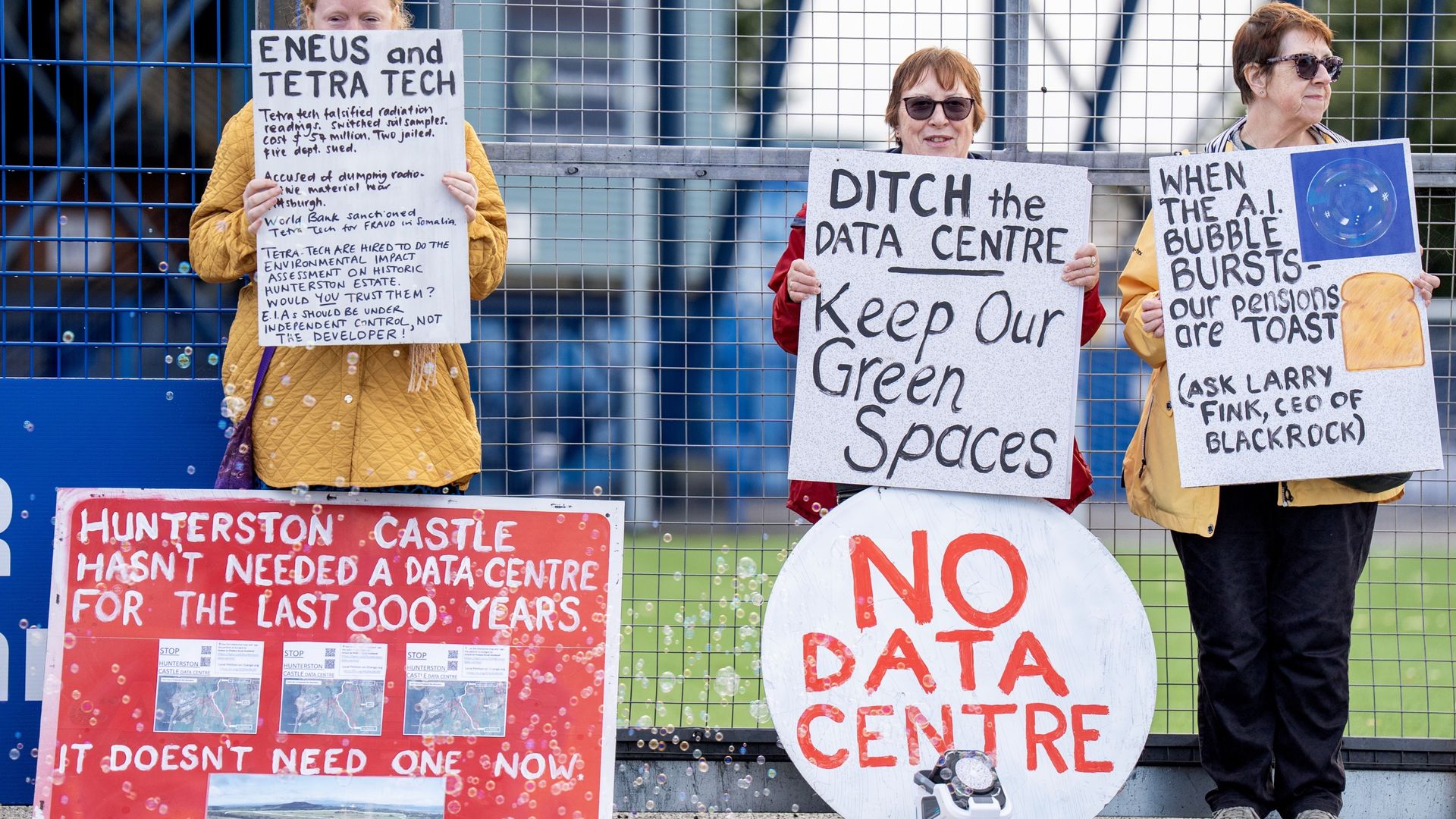
We talk endlessly about artificial intelligence changing the world, but rarely talk about the physical footprint it leaves behind. Across the country, massive industrial server farms are creeping into rural areas, quiet suburbs, and industrial zones. Communities are waking up to massive power demands, strained water grids, and a rush of new planning applications that seem to bypass local voices entirely.
Environmental campaigners and local groups aren't just complaining. They are demanding a proper public consultation before any more mega data centres get rubber-stamped. If you care about your local environment, your energy bills, or how public policy is made, you need to understand why this fight matters.
The Real Cost Behind the AI Rush
Tech giants need an astonishing amount of electricity and cooling power to train massive machine learning models. When a hyperscale data centre arrives, it doesn't just look like a big warehouse. It acts like an energy hog that can rival the consumption of a small city.
Most people assume local councils have total control over these projects. They don't. Developers often frame these facilities as high-tech economic wins, pitching job numbers that rarely match the reality of a largely automated server facility. Meanwhile, the tangible burdens fall squarely on the neighborhood.
- Grid Strain: These facilities require dedicated connections to the power grid, driving up regional energy demand.
- Water Consumption: Cooling systems gulp millions of gallons of water daily, raising alarm bells in regions prone to dry spells.
- Landscape Industrialisation: Massive concrete blocks and backup diesel generator yards replace green spaces or open agricultural land.
When local residents ask questions about these impacts, they often hit a wall of corporate jargon and rushed planning schedules. That is why the push for a national, transparent public consultation has turned from a fringe protest into a mainstream movement.
Why Current Planning Rules Fall Short
Our existing planning frameworks were built for housing estates, retail parks, or standard factories. They were never designed to handle gigawatt-scale computing infrastructure requested by multinational tech conglomerates.
When a developer proposes a facility that consumes as much power as a small town, standard notice periods and local council meetings just don't cut it. Councillors often lack the deep technical expertise required to cross-examine complex environmental impact assessments. Developers know this, and they use it to their advantage. They submit piecemeal applications or rely on fast-track pathways that leave ordinary citizens scrambling to catch up.
Without a comprehensive national strategy backed by open public debate, we are letting private corporations dictate the physical future of our landscapes. Communities shouldn't have to hire independent engineers just to find out how a massive server farm will affect their local water pressure or noise levels.
What Needs to Happen Next
Fixing this mess requires a hard pause on fast-tracking rules until communities have a real seat at the table.
First, governments must mandate thorough, independent environmental impact assessments for any data infrastructure crossing major power thresholds. Second, transparency cannot be an afterthought. Local residents deserve clear, jargon-free explanations of resource consumption before bulldozers show up. Finally, tech firms should be forced to contribute directly to local renewable energy generation rather than draining existing regional grids.
If we want a digital future, we have to live in the physical present. Ignoring the people who live next door to the servers is a shortcut to gridlock and deep public resentment. Stop treating local communities as roadblocks and start treating them as essential partners in deciding how our infrastructure grows.