When a country's top legal official gets slapped with handcuffs over drug cartel ties, everyone pays attention. Bolivia's Attorney General Roger Mariaca didn't just lose his job; he was taken down in a sweeping nationwide operation that exposed how deep corruption rot goes inside state institutions.
If you've been trying to make sense of the dramatic raids spanning La Paz and Santa Cruz, you aren't alone. Let's break down what happened, why Washington's pressure changed the game, and what this means for the broader political landscape in South America.
How the Trap Sprang on Roger Mariaca
The downfall didn't happen in a vacuum. It started when the U.S. State Department slammed the door shut on Mariaca, revoking his visa alongside a dozen other Bolivian officials over heavy accusations of bribery and protecting drug traffickers.
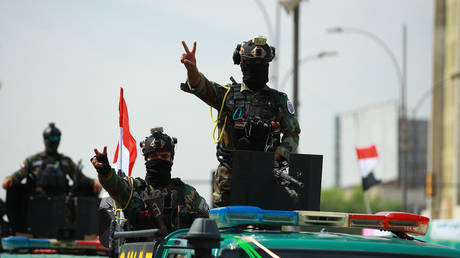
Just days later, Bolivian law enforcement officers moved in. Mariaca was detained at Viru Viru International Airport in Santa Cruz. Nationwide raids targeted public prosecutor offices as authorities hunted down a network allegedly operating right inside the judicial system.
Investigators point to explosive audio and video leaks involving notorious Uruguayan drug kingpin Sebastián Marset. Marset reportedly dropped Mariaca's name, calling him a friend and boasting about paying half a million dollars in bribes to operate freely inside Bolivia. Whether those exact figures hold up in court, the public pressure proved insurmountable.
The Geopolitical Shift in La Paz
To understand why this arrest happened now, you have to look at the shifting political winds in Bolivia. President Rodrigo Paz took office with a clear mandate to pivot foreign policy and rebuild fractured ties with the United States.
Joining the U.S.-led "Shield of the Americas" security alliance signaled a sharp break from past administrations. When foreign policy pivots toward Washington, domestic crackdowns usually follow. Cleaning house in the judicial branch serves as a massive litmus test for the new administration. It proves to international lenders and foreign partners that La Paz is willing to tackle institutional impunity head-on.
Critics argue these moves look less like pure justice and more like selective political purging designed to reshape the judiciary. Even so, the optics of parading top prosecutors past television cameras send an unmistakable message.
Unpacking the Broader Regional Crackdown
Mariaca isn't an isolated target. Washington rolled out a massive sanctions sweep impacting nearly 20 individuals across Bolivia, Colombia, and Ecuador. The strategy relies heavily on visa revocations and financial blacklisting to squeeze corrupt actors who rely on international travel and foreign assets.
When top judges, customs officials, and police colonels find themselves blacklisted overnight, regional networks scramble. Transnational cartels have long exploited weak institutional checkpoints in the Andes. By targeting the legal shield protecting these syndicates—the corrupt judges and prosecutors who make bail or drop charges—investigators are trying to break the operational chain at its strongest link.
What Happens Next
The immediate aftermath leaves Bolivia's legal apparatus reeling. Filling a power vacuum at the top of the Attorney General's Office while executing coordinated raids across multiple departments creates administrative chaos.
Expect prolonged legal battles over due process as Mariaca's defense fights the charges. Meanwhile, the current government faces the harder task of proving that sweeping out old leadership actually builds a cleaner, more independent judicial system rather than just installing a new batch of loyalists. Watch how the courts handle the remaining co-defendants; that will tell you if this was a genuine house cleaning or just political theater.