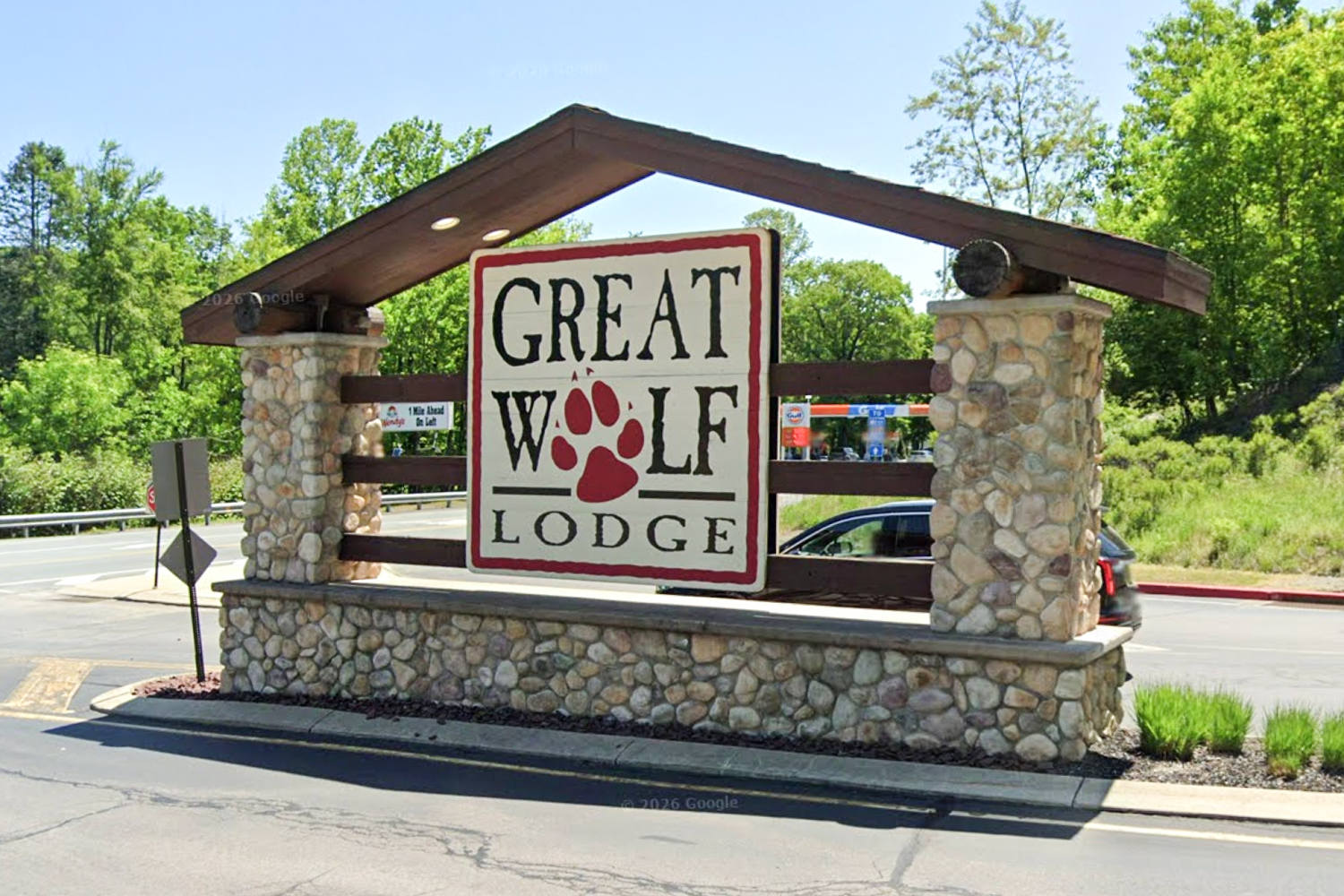
When a violent tragedy occurs inside a family water park, the headline writes itself in seconds. A resort name goes at the top. A shock value verb goes in the middle. A stunned community goes into the comments.
That reflex is understandable. It is also lazy.
Whenever a headline pairs an extreme act of violence—like a parent allegedly killing a husband and young child inside a vacation property—with a recognizable brand like Great Wolf Lodge, the public conversation almost immediately drifts toward two dead ends. First comes the search for a hidden trigger inside the building itself: a cursed room, a broken culture, a failure of hospitality security. Second comes the assumption that vacations act as some kind of psychological pressure cooker that snaps ordinary people in half.
Both theories sound dramatic. Neither holds up under scrutiny.
The Lazy Consensus Around "Vacation Snap" Narratives
Watch how standard crime coverage handles a story like this. It treats the setting as a character. Because Great Wolf Lodge sells nostalgia, indoor slides, and family togetherness, the contrast between the brochure and the police blotter feels jarring. Writers lean into that contrast because contrast gets clicks.
The problem is that contrast is not causation.
In criminology and behavioral analysis, domestic homicide is rarely born out of a single weekend away from home. When lethal violence happens inside a hotel room, the hotel is usually the final stop on a much longer, much quieter timeline—not the spark that lit the fuse. People do not wake up at a water park, look at a wave pool, and suddenly decide to destroy their family out of thin air.
Yet the lazy consensus treats the location as the explanation. By focusing so heavily on the resort setting, standard coverage turns a complex, deeply entrenched human and clinical failure into a spooky travel story. That makes the piece easier to read over morning coffee. It also leaves readers with a distorted view of how severe domestic violence actually works.
What People Actually Ask—And Why the Premise Is Often Broken
Whenever high-profile violent crimes surface in public or hospitality spaces, search behavior follows a predictable pattern. People want fast answers to big questions. Most of those questions are built on shaky assumptions.
"How could something like this happen at a family resort?"
Because violent offenders do not check their history, mental health crises, or relationship instability at the front desk.
A family resort is a controlled leisure environment, not a psychiatric ward or a fortress. Hotels screen for payment methods, reservation rules, and basic conduct. They do not conduct forensic psychological evaluations on guests checking in with luggage and swimsuits. Treating a hospitality brand as if it failed an impossible moral test assumes resorts possess diagnostic powers they simply do not have.
"Do vacations trigger mental breakdowns or domestic violence?"
Travel can disrupt sleep, routines, and budgets. Stress can rise when expectations collide with reality. Still, claiming that a family trip causes lethal violence confuses correlation and context with root cause.
Severe domestic violence and filicide are driven by far heavier factors: untreated or acute psychiatric conditions, severe emotional dysregulation, coercive control, substance abuse, financial or relational collapse, or prior histories of abuse and instability that never received real intervention. A hotel room simply provides privacy and isolation at a moment when an existing crisis reaches a breaking point.
"Are hotels safe for families?"
Ask this question honestly, and you have to separate statistical reality from emotional shock.
Millions of families stay in hotels and resorts every year without incident. Statistically, violent crime inside a family resort remains rare compared to everyday risks like highway driving or household accidents. Feeling shaken after reading about a stabbing at a family destination is human. Turning one horrific case into a blanket verdict that hotels are unsafe misreads the risk.
Separating Hospitality Security from Domestic Lethality
I have spent years analyzing crisis response, risk management, and institutional failure across high-traffic environments. I have seen organizations blow millions of dollars chasing the wrong threat—installing extra cameras, hiring more lobby guards, or overhauling check-in scripts—while ignoring the risks they cannot spot from a security desk.
Hospitality security is designed around specific operational hazards:
- Unauthorized access and room intrusions
- Property damage, theft, and disorderly conduct
- Medical emergencies, pool safety, and fire evacuation
- Visible threats in public corridors, lobbies, and amenities
Notice what sits outside that perimeter: what happens behind a locked door between people who already know one another, driven by internal psychological or relational dynamics invisible to staff.
Imagine a scenario where a resort manager triples perimeter patrols and adds keycard checkpoints to every hallway. Those measures can deter trespassers and reduce opportunistic crime. They cannot read a person's mind inside a private suite or stop a premeditated or acute domestic attack that unfolds silently behind closed doors.
Pretending physical security can prevent every form of interpersonal violence sells a false sense of control. Real risk management starts by defining what a system can actually prevent—and admitting where its authority and visibility end.
Where the Real Blind Spots Live
If the resort is not the mastermind behind a tragedy like this, what is the blind spot?
It lies in how society tracks warning signs before a crisis becomes fatal. When a family tragedy hits the news, people often express shock because the outside picture looked normal—a trip planned, a room booked, a family together. Yet researchers who study domestic homicide and family violence, including work associated with figures like Jacquelyn Campbell through the Danger Assessment framework and broader lethality research in criminology, consistently point to patterns that develop over time rather than appearing out of nowhere.
Prior threats, escalating control, severe depression or psychosis, acute life stressors, access to lethal means, and sudden shifts in behavior often precede extreme violence. Too often, those signals are fragmented across family members, friends, doctors, counselors, or legal systems that never connect the dots.
By the time police tape goes up at a hotel, the failure has usually been compounding for a long time. Focusing all our outrage on the building lets everyone off the hook for examining how early warning signs get missed, minimized, or mishandled in daily life.
The Cost of Looking at the Wrong Thing
Taking a contrarian view on tragedies like this comes with real downsides, and I will not pretend otherwise.
First, it can sound cold if you strip away empathy. When a young child and a parent are killed, people want grief, clarity, and accountability—not a cold analytical breakdown. Pushing back on sensational framing can easily be misread as minimizing human loss. It is not. Acknowledging the horror of a crime and refusing to swallow bad explanations can—and must—coexist.
Second, shifting focus away from the venue can look like cutting corporate slack. Nobody should give a company a free pass if actual negligence occurred. If staff ignored clear danger, violated safety protocols, or failed to respond when help was sought, those facts deserve scrutiny.
Still, scrutiny has to follow evidence, not convenience. Blaming the backdrop because it is recognizable is an easy way to feel informed without doing hard thinking.
What Actually Works When Risk Is Real
If you want practical, clear-headed habits around personal safety and crisis awareness, skip the theatrics and focus on grounded steps:
- Take behavioral shifts seriously. Sudden withdrawal, extreme mood swings, paranoia, hopelessness, or escalating hostility in someone close to you are not things to brush off as "just stress."
- Do not keep severe warning signs secret out of loyalty or embarrassment. Isolation protects dangerous dynamics. Looping in trusted family, professionals, or crisis services creates accountability before situations escalate.
- Keep basic situational awareness when traveling. Know emergency exits, keep doors deadbolted and latched, trust your instincts if a situation in a public space feels off, and contact local law enforcement immediately rather than trying to play mediator in an active volatile situation.
- Demand precision from the media you read. Separate confirmed police facts from speculation, and ask whether a headline is explaining what happened or just harvesting outrage.
The tragedy at Great Wolf Lodge deserves accurate reporting, respect for the victims, and sober investigation by law enforcement. It does not deserve lazy storytelling that turns a water park into a scapegoat.
Look past the sign on the wall. The real danger is rarely the building.