Ink dries slowly on municipal contracts. It smells of damp carpet, cheap toner, and the heavy, unyielding weight of municipal liability.
Picture Elena, a hypothetical veteran city planner whose desk has absorbed twenty years of coffee rings and bureaucratic dread. Her reading glasses sit crooked on her nose. Before her lies a stack of heavy paper three inches thick, detailing the cost recovery mechanism for the 2028 Summer Olympic Games. To anyone else, it is a collection of dry administrative clauses. To Elena, it is a shield. Or perhaps, a trapdoor.
Los Angeles made a definitive choice. They signed a deal with federal and state partners attempting to insulate taxpayers from the astronomical price tags that historically bankrupt host cities. Montreal spent thirty years paying off its stadium. Athens left behind rusted volleyball courts sinking into weeds. The ghosts of past Olympics whisper cautionary tales through every fiscal audit.
Yet, safety on paper rarely translates to safety on the pavement.
The Mirage of the Backstop
Every Olympic bid starts as a love letter to ambition. Politicians stand beneath grand archways, smiling under the flash of cameras, promising economic revival, urban renewal, and global prestige. They talk about infrastructure as if concrete poured today will miraculously pay its own maintenance bills tomorrow.
Then the math arrives.
Security requirements swell. Traffic management systems demand total overhauls. Temporary venues require specialized engineering that costs three times more than permanent structures because they must be dismantled before the grass dies beneath them.
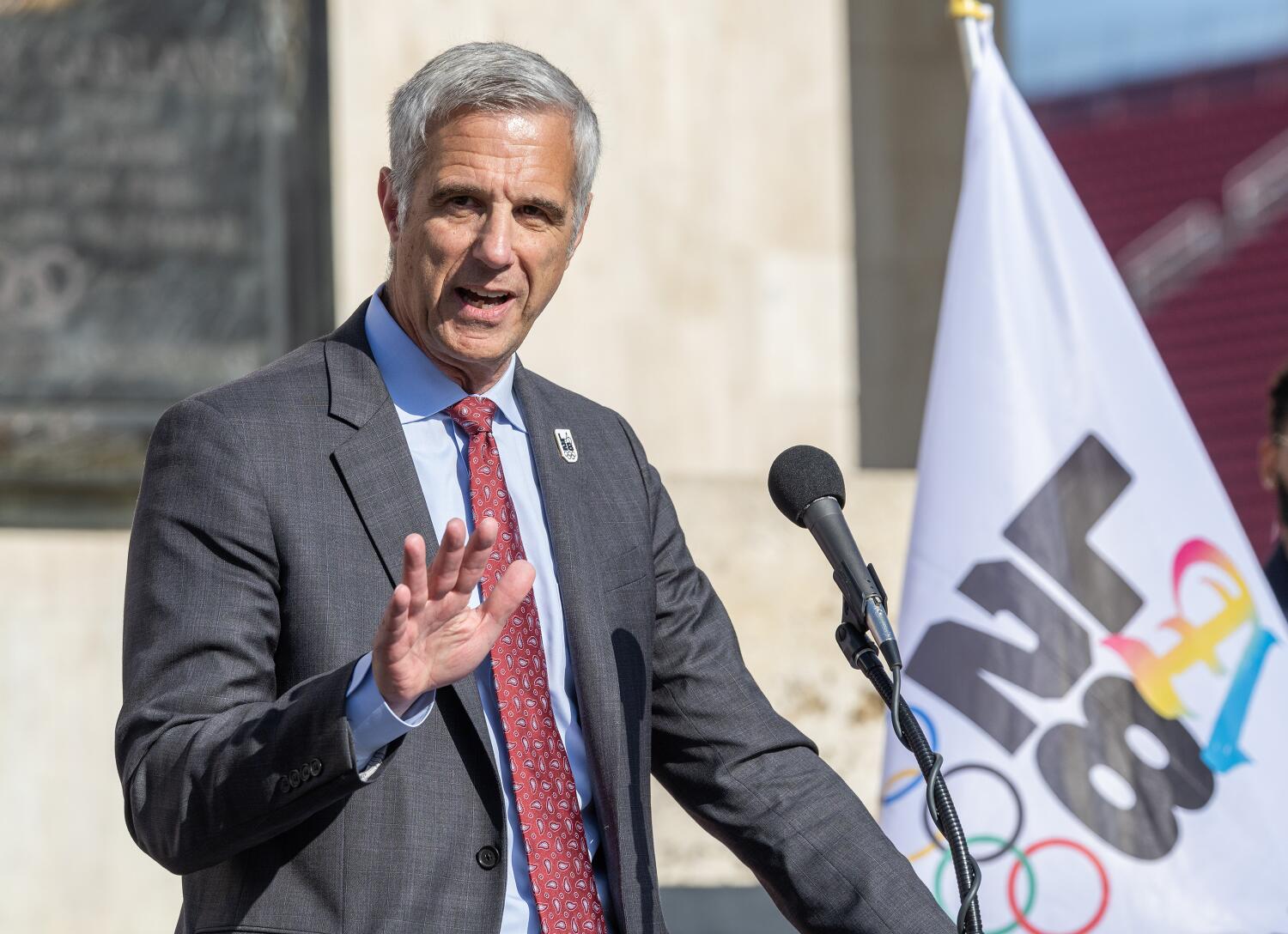
The recent agreement forged by Los Angeles attempts to draw a hard red line. The city refuses to be the primary backstop for cost overruns. A federal guarantee is supposed to catch the falling knife if expenses spiral out of control.
History teaches us to squint at such guarantees.
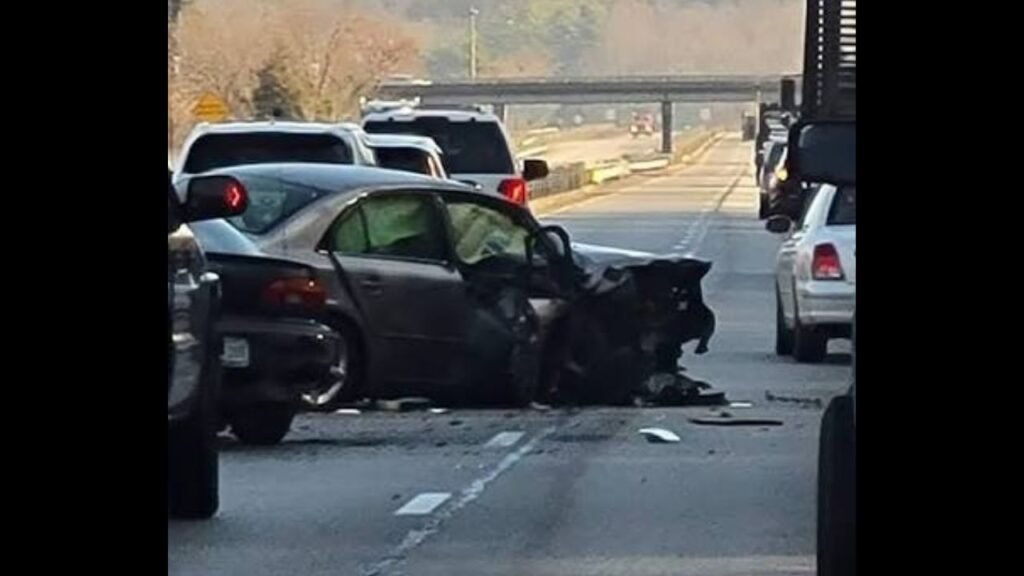
Consider a packed highway interchange during rush hour. You trust the guardrail. It looks solid. It is bolted deep into the concrete. But you only truly know its strength when a thousand-pound vehicle loses traction at seventy miles per hour. The 2028 cost recovery agreement is that guardrail. We will only know if it holds when the economic pressure hits full throttle.
The Human Cost of Concrete
Behind every billion-dollar budget line item stands a neighborhood wondering if its local park will be repurposed into a security staging ground.
Walk down Figueroa Street on a Tuesday morning. The air carries the distinct scent of hot asphalt and exhaust. Mechanics hammer away at rusted brakes. Delivery trucks double park, blocking narrow lanes. People live here. They pay rent that creeps upward every single year. They ride buses that run thirty minutes late.
When an international spectacle rolls into town, these everyday rhythms fracture.
City resources concentrate around the gleaming epicenters of competition. Street sweeping schedules in outer districts slip. Local community centers face quiet funding freezes because every spare dollar gets funneled into emergency preparedness and transit coordination. The city becomes a stage, and the residents are cast as unpaid extras expected to cheer on cue while navigating a maze of street closures.
The financial risk is not merely an abstract column on a municipal ledger. It manifests as deferred maintenance on neighborhood water mains. It appears as empty shelves in community libraries operating on reduced hours. When a city government absorbs financial exposure for a multi-week sporting event, the bill always trickles down to the pavement.
Walking the Tightrope
Nobody enters these massive undertakings intending to fail. The organizers in Los Angeles are seasoned professionals. They know the pitfalls. They point to the existing infrastructure of the Coliseum, the Staples Center, and the sprawling network of universities ready to house athletes without building new mega-villages from scratch.
This is the minimalist approach. Use what is already there. Paint it. Polish it. Give it a temporary coat of digital grandeur.
It is a sound strategy. It avoids the catastrophic capital outlays of past generations. But thriftiness in a trillion-dollar machine is relative. Even a lean Olympics demands an army of coordination.
Elena rubs her eyes, tracing a line of text regarding contingency funds. The agreement stipulates tiered responses to budget inflation. If security costs spike due to unforeseen geopolitical tensions, who pays first? If transit delays push overtime wages through the roof for city workers, whose department absorbs the deficit?
The language is precise, yet language bends under pressure.
When millions of visitors flood the transit lines, municipal systems face a stress test unlike any other in modern history. A single major disruption cascades across the grid within minutes. A delayed train in downtown Los Angeles ripples into missed shifts for workers in Long Beach.
The Unwritten Ending
The deal is signed. The ink is dry. The countdown clock ticks quietly in downtown offices, relentless and indifferent to human anxiety.
Los Angeles has built the most rigorous legal framework possible to protect its citizens from financial ruin. They have looked at the wreckage of Montreal and Athens and said: Not us. Not this time.
Yet, steel and ink can only do so much against the unpredictable tides of global economics and human ambition.
The sun dips below the smog-softened horizon, casting long, bruised shadows across the sprawling grid of the city. Streetlights flicker awake one by one, illuminating the vast, intricate network of asphalt, wires, and human lives that make this place breathe. Somewhere down below, a bus shifts gears and hums into the night, carrying people home to kitchens that smell of garlic and old paper, entirely unaware of the billion-dollar clauses written in their name.