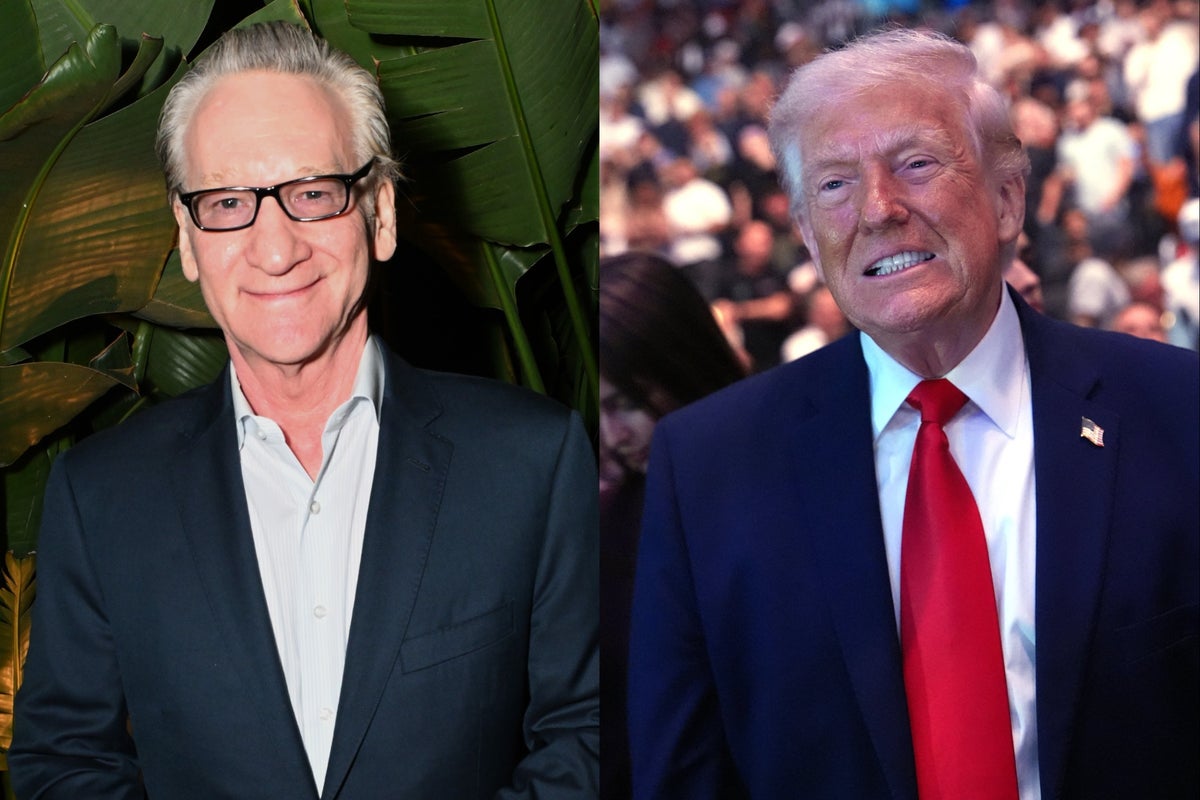
Comedian and television host Bill Maher recently called out Donald Trump on Real Time, arguing that the administration's aggressive economic interventions look a lot more like state-managed control than free-market capitalism. When a prominent political commentator accuses a Republican president of beating the far left at its own game, people listen.
The core of the argument centers on recent federal moves into private enterprise. The government secured a 9.9 percent stake in Intel by converting billions in previously allocated grants. It also extracted revenue-sharing arrangements, including a 15 percent cut on certain Nvidia chip exports to China, and established a golden share veto power regarding the Nippon Steel and U.S. Steel merger.
These aren't traditional conservative policies. They look like industrial policy on steroids.
The Intel Stake and the Free Market Dilemma
How did we get here? For decades, Republican orthodoxy dictated that governments shouldn't pick corporate winners and losers. Free markets were supposed to sort out who survives.
Then reality hit. Supply chain vulnerabilities during the pandemic and intense geopolitical competition with China shifted priorities. The CHIPS and Science Act originally aimed to inject billions in grants into domestic semiconductor manufacturing. But the Trump administration flipped the script by demanding equity in exchange for taxpayer funds.
Treasury Secretary Scott Bessent defended the move by noting that taxpayers deserve a piece of the upside if government money is involved. Critics inside and outside the GOP disagree. Senator Rand Paul took to social media to call the Intel equity grab a terrible idea, asking if government ownership of production isn't the textbook definition of socialism.
Why Critics Call it Crony Capitalism
The backlash isn't just coming from libertarian purists. During the Real Time segment, panelist Tara Palmeri pointed out the blurred lines between public policy and private financial gains. When the government creates a floor for specific corporate stocks through massive federal interventions, questions about market fairness naturally follow.
Libertarian commentator Matt Welch also slammed the administration's tactics as unprecedented corporate pressure. When the executive branch publicly pressures corporate boards and leadership over national security concerns or specific commercial strategies, it changes how private businesses operate. Companies stop optimizing strictly for consumer demand and start optimizing for political survival.
Even so, proponents argue that national security demands a break from strict free-market dogmatism. Relying entirely on overseas fabrication for critical components like advanced semiconductors or rare earth minerals is a massive risk. The administration views these interventions as one-off necessities to protect critical infrastructure rather than a permanent ideological shift.
Where the Left and Right Meet
The most ironic twist in Maher's commentary is the strange alignment between populist right-wing governance and progressive economic ideas. Senator Bernie Sanders has long advocated for public stakes and government oversight in major industries, particularly tech and AI.
When policies traditionally championed by the democratic socialist wing of politics are implemented by a Republican administration, traditional political labels start to break down. Economists and voters are left wondering if ideological consistency still matters in Washington.
As the administration hints at exploring similar equity arrangements in other critical sectors like shipbuilding, the debate over government intervention is only heating up. Pragmatism has officially replaced purity. Whether that trade-off saves American manufacturing or stifles real innovation remains to be seen.
Is Trump flirting with socialism in latest deals with Intel, Nvidia?
This video provides a detailed television discussion analyzing the political fallout and economic arguments surrounding the administration's equity deals with major technology firms.
http://googleusercontent.com/youtube_content/1