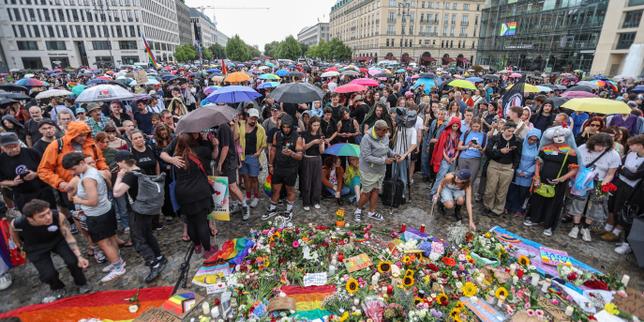
Hate has a cost. Sometimes that cost is measured in fear. Other times, it's measured in lives.
When violence struck the Berlin Pride parade, it wasn't just an isolated scuffle. It shook the core of one of Europe’s most visible safe havens for the LGBTQ+ community. You might think progressive cities are immune to this kind of targeted brutality. They aren't. Security officials and community organizers have spent months picking apart the grim reality of what happened on those streets.
Let's look at the facts. Anti-queer violence is rising across Western Europe. Berlin, despite its reputation for open-mindedness, sees hundreds of politically or ideologically motivated attacks against queer individuals every single year. The fatal assault during the Christopher Street Day celebrations exposed dangerous cracks in how public safety is managed during massive cultural gatherings.
The Reality of Public Safety at Pride Events
Mass gatherings require massive planning. When millions flood the streets, police forces face a logistical nightmare.
Protecting a crowd that spans miles is nearly impossible without heavy surveillance or restrictive barriers. Yet, heavy-handed policing changes the vibe of a protest meant to celebrate liberation. Organizers walk a razor-thin line. They want freedom. They also want survival.
Following the tragedy, local authorities faced fierce criticism. Activists pointed out that reports of harassment often go ignored by law enforcement. When victims speak up, they routinely hit bureaucratic walls. That failure to act breeds impunity.
Why Berlin's Scene Feels Vulnerable
Berlin has long marketed itself as an alternative refuge. People move there to escape hostile hometowns across the globe. But rapid gentrification and shifting political tides change neighborhoods fast. Far-right rhetoric has crept back into mainstream political discourse. That normalization trickles down into physical spaces.
When political figures demonize queer communities, physical violence follows. It's a straight line. You cannot separate public rhetoric from street-level assaults.
"Safety isn't just about police presence. It's about systemic acceptance."
✨ Don't miss: Inside the Pope Leo XIV Power Move to Paris
How Community Defense is Changing
People aren't waiting for the government to save them anymore. Grassroots security networks have popped up across German cities. These groups train volunteers in de-escalation, legal rights, and physical self-defense.
If you walk through neighborhoods like Schöneberg or Neukölln on a Friday night, you notice the shift. Local businesses and community centers now act as safe zones. If someone faces harassment, they know where to run.
Practical Steps for Personal and Community Protection
You need to know how to protect yourself and others. Relying solely on emergency services is a gamble.
- Establish buddy systems: Never travel alone through unlit or unfamiliar areas after dark during large events.
- Know local legal aid numbers: Keep civil rights lawyers and activist hotlines saved directly in your phone.
- Document everything: If you witness harassment, safely record details, timestamps, and physical descriptions if it is safe to do so.
- Support local solidarity funds: Donate to organizations providing immediate housing and legal support to targets of hate crimes.
The fallout from the Berlin tragedy forces a hard conversation. Pride started as a riot. It was never meant to be a corporate parade stripped of political urgency. Remembering why these marches exist is the first step toward reclaiming public space.
Stay alert. Look out for your neighbors. Don't let fear win.