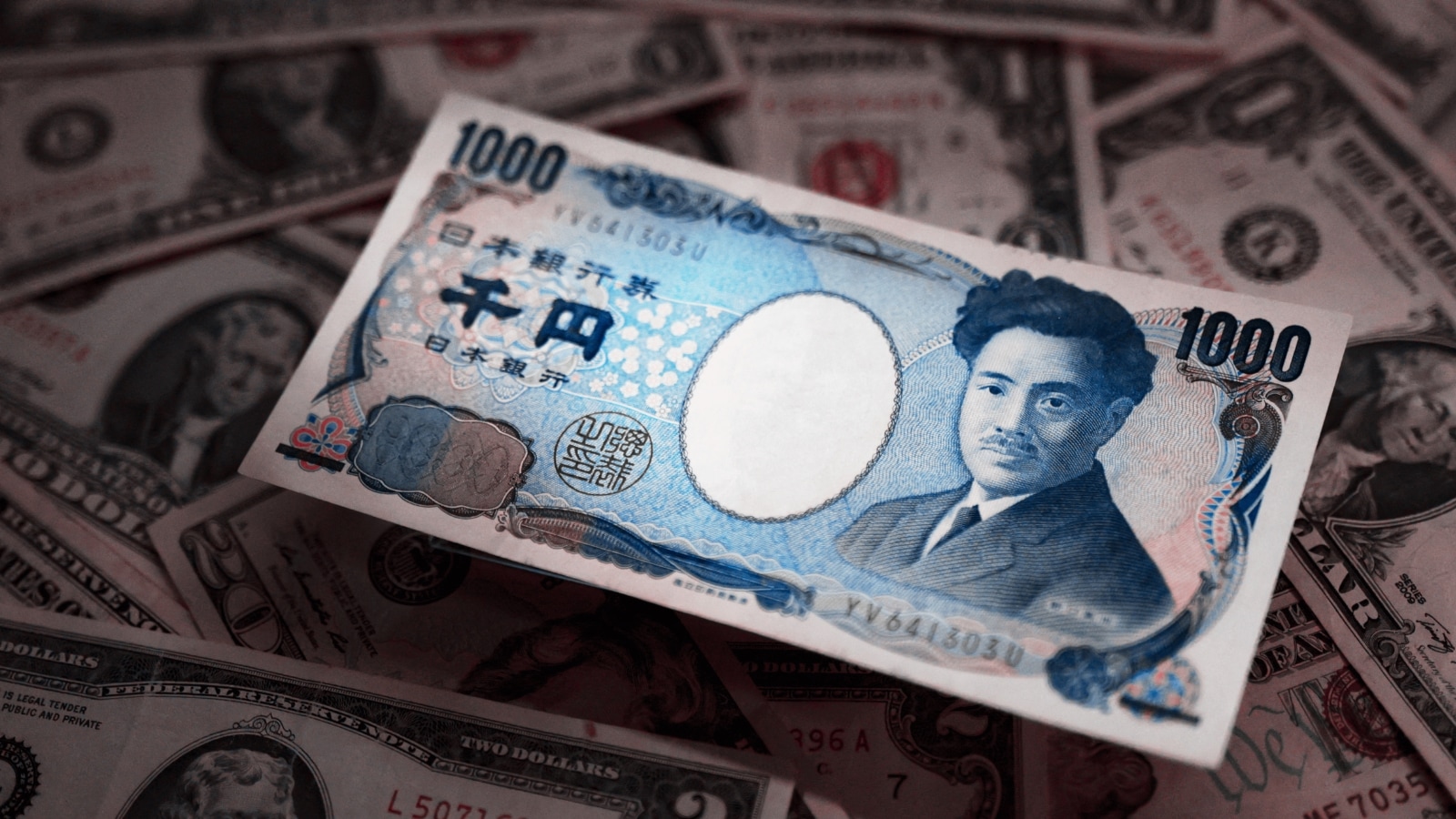
Every financial desk on Wall Street is popping champagne over Japan's revised second-quarter gross domestic product print. The consensus is deafening. Higher growth means the Bank of Japan finally has the green light to normalize monetary policy, hike interest rates, and abandon decades of emergency stimulus.
It is a neat narrative. It is also entirely wrong.
Markets are looking at a trailing indicator and mistaking it for structural escape velocity. I have spent two decades watching macroeconomic tourists misread Tokyo's balance sheets, and this cycle is shaping up to be the most expensive miscalculation yet. When the central bank treats a temporary inflation blip as a sign of permanent economic healing, they are not curing the patient. They are pulling life support while the room is still on fire.
The Growth Illusion
Let us look at what actually drove the upward revision. Private consumption ticked up. Real wages technically showed a pulse after quarters of being crushed by imported energy costs. Analysts saw this and immediately extrapolated a self-sustaining cycle of domestic demand.
That requires ignoring every structural demographic anchor holding the archipelago down.
Japan's domestic consumption expansion is largely a lagging artifact of inbound tourism spending and front-loaded corporate wage negotiations that have already peaked. Once you strip out the temporary tailwinds of a weak yen drawing foreign wallets, domestic purchasing power remains structurally constrained. Households are not spending because they feel wealthy. They are spending because sticky inflation forced them to pull forward purchases before the next wave of staple price hikes hits supermarket shelves.
Domestic Demand vs. Structural Reality
- Real wage growth remains fragile when adjusted for actual household baskets rather than headline averages.
- Corporate capital expenditure is heavily concentrated in automated labor-substituting tech rather than expansionary capacity, driven by labor shortages, not confidence.
- Public debt servicing costs multiply exponentially the moment the central bank shifts its policy rate higher, suffocating fiscal flexibility.
When economists point to Q2 GDP as proof of an overheating engine, they are confusing a statistical bounce with an economic turnaround.
The Policy Trap
Governor Kazuo Ueda is under immense international pressure to abandon negative rates and push yields up to defend a battered currency. The foreign exchange market views the yen as a barometer of institutional failure, demanding blood in the form of tighter monetary policy.
If the Bank of Japan caves to this pressure and embarks on a genuine tightening cycle, the math turns catastrophic almost immediately.
Japan's public debt-to-GDP ratio sits north of 250 percent. For decades, servicing this mountain of obligations was virtually free because the central bank engineered a zero-rate environment. Every single basis point increase in the benchmark rate transfers a massive fiscal burden straight back to the Ministry of Finance.
The Transmission Failure
- Rate hikes strengthen the currency temporarily, but crush domestic asset values.
- Higher borrowing costs penalize the exact small-to-medium enterprises that form the backbone of regional employment.
- Bond market liquidity evaporates as the central bank tries to taper its footprint, risking severe yield curve dysfunction.
Central bankers love to talk about data dependence. Right now, they are staring at lagging GDP numbers while ignoring the forward-looking credit contraction happening in the shadows.
The Wage-Price Spiral Myth
The core justification for the upcoming rate hike cycle rests entirely on the Shunto spring wage negotiations. For the first time in a generation, major conglomerates agreed to significant pay bumps. The narrative claims this creates the virtuous cycle of inflation and wage growth that policymakers have begged for since the nineties.
It is a comforting bedtime story for central bankers desperate to normalize their balance sheets. It ignores how corporate Japan actually operates.
The headline wage increases are heavily skewed toward Tier-1 enterprise giants. The vast majority of Japanese workers are employed by small and medium-sized enterprises that lack pricing power. These smaller firms cannot simply pass higher labor costs onto consumers without losing market share to hyper-efficient discount chains and automated competitors.
When the central bank tightens monetary conditions to cool an imaginary wage-price spiral, they squeeze the liquidity of the very small businesses that cannot afford higher loan servicing costs. Bankruptcies among regional operators are already ticking upward. Raising the cost of capital while small business margins are compressed by input costs is not normalization. It is liquidation by committee.
Positioning for the Fallout
Smart capital is not buying the Bank of Japan hawkish pivot. The moment real yields turn positive in a meaningful way, the Japanese government bond market locks up, forcing the central bank right back into the easing chair. You cannot normalize monetary policy in a sovereign debt trap without detonating the sovereign balance sheet.
Stop treating Tokyo as a traditional developed market economy playing by Anglo-Saxon textbook rules. Japan is a demographic singularity operating under unique financial physics.
The next time you read a bullish report praising Japan's growth revision, ask yourself who is holding the debt when the music stops. The answer is the central bank. And they are running out of chairs.