The global media cycle is currently obsessed with a scratch.
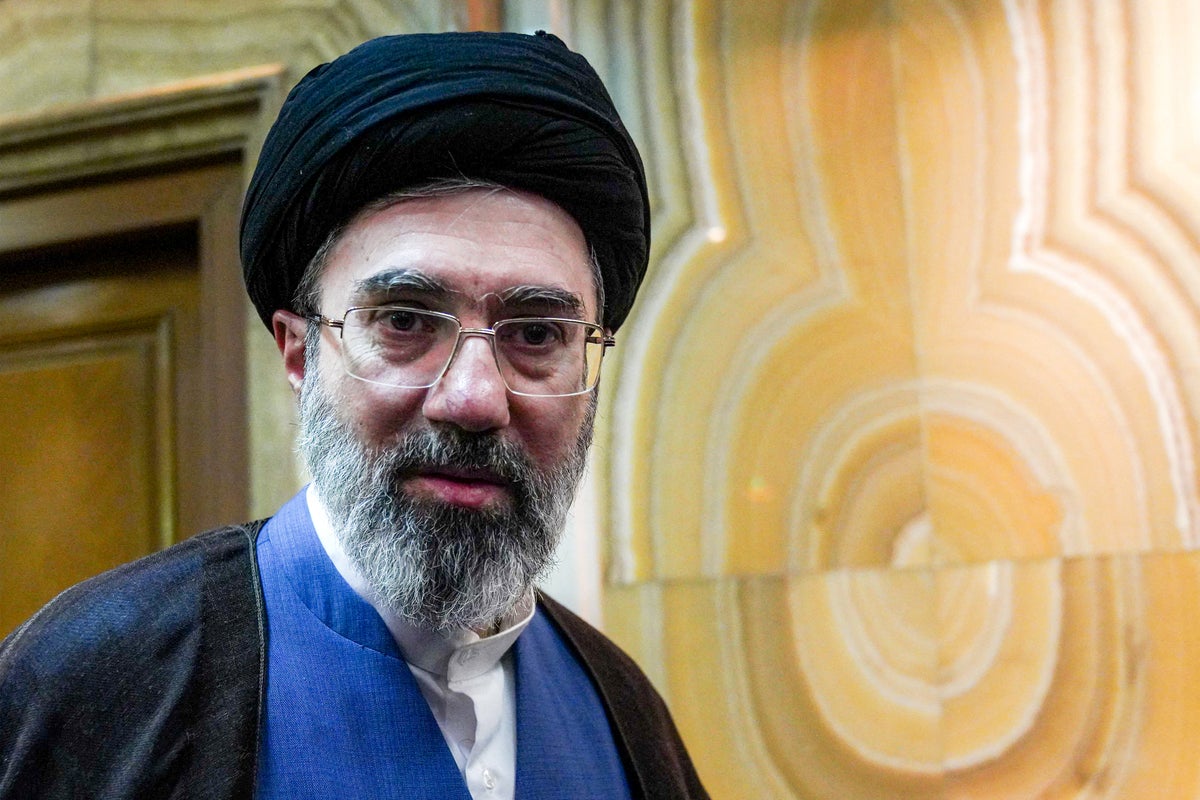
When Tehran released a statement claiming Supreme Leader Ali Khamenei recovered from a "scratch behind the ear" following rumors of a serious injury, the Western press did exactly what the Islamic Republic expected: they mocked it. They treated it as a clumsy PR gaffe from a dying regime. They focused on the absurdity of the phrasing.
They missed the point entirely.
If you are looking at the health of an 80-plus-year-old cleric through the lens of medical transparency, you are playing a game that doesn’t exist. This isn't about health. It is about a sophisticated, low-tech information operation designed to map the leak architecture of Western intelligence and the trigger-fingers of global markets.
Stop asking if he’s sick. Start asking why they want you to think they’re lying about it.
The Myth of the Clumsy Dictator
Western analysts love the "bumbling autocrat" trope. We saw it with Baghdad Bob; we see it with every North Korean missive. We assume that because their official statements lack the polished sheen of a Silicon Valley PR firm, they are inherently incompetent.
That is a dangerous, Eurocentric delusion.
Tehran’s "scratch" narrative is a deliberate provocation. In the world of intelligence, this is known as "seeding the clouds." By releasing a laughably minimized account of an injury, the regime forces internal dissidents and external intelligence assets to "correct" the record.
When a CIA asset in Tehran feels the need to disprove a "scratch" by providing coordinates of a specific hospital wing or the name of a specific surgeon, they reveal their hand. They show the Islamic Revolutionary Guard Corps (IRGC) exactly where the signal is coming from.
The "scratch" isn't a lie intended to be believed. It is a lure.
Digital Sovereignty and the Data Vacuum
We live in an era where we believe satellite imagery and SIGINT (signals intelligence) provide a total picture of reality. This has led to a massive decay in HUMINT (human intelligence).
I have watched intelligence budgets shift toward "robust" data scraping while the actual understanding of the Iranian street remains at an all-time low. We have the data, but we have zero context.
When a report of a "serious injury" surfaces, it usually begins in a Telegram channel or a fringe news site. The regime monitors the velocity of these rumors. By the time the official "scratch" statement is released, the IRGC has already mapped the spread.
- Who amplified it first?
- Which VPN exit nodes saw the most traffic?
- Which regional adversaries (Israel, Saudi Arabia) moved assets based on the rumor?
The health of the Supreme Leader is the ultimate stress test for the regime’s internal security. They aren't trying to convince you he’s fine. They are running a diagnostic on their own house.
The Succession Trap
The "lazy consensus" in the newsroom is that Khamenei’s death will trigger an immediate, chaotic power vacuum. This is a fundamental misunderstanding of how the Assembly of Experts operates.
The Iranian state is not a monolith; it is a series of overlapping circles of power. The IRGC, the clergy, and the merchant classes (the Bazaaris) have already rehearsed the succession. The idea that a "serious injury" would catch them off guard is a fantasy we tell ourselves to feel better about our lack of a coherent Iran policy.
The "scratch" narrative serves a domestic purpose too. It signals to the hardliners that the Leader is still untouchable—not because he’s healthy, but because he can mock the very idea of mortality. It’s a display of psychological dominance. "We can tell you the most ridiculous thing imaginable, and you will spend forty-eight hours debating it."
That is power.
Why the Markets Fell for It
Financial analysts are the worst offenders when it comes to this kind of disinformation. Oil prices flinch at a tweet. The moment "serious injury" hit the wires, risk premiums shifted.
But here is the nuance the "experts" missed: volatility is a commodity that Tehran knows how to export. If you can move the price of Brent Crude by being vague about a bandage, you have a weapon more effective than a medium-range ballistic missile.
We treat these health rumors as medical news. We should be treating them as economic sabotage.
Imagine a scenario where the IRGC-controlled front companies short specific energy futures right before a "leak" about a stroke, then go long right before the "scratch" press release. This isn't just about a leader’s health; it’s a pump-and-dump scheme on a geopolitical scale.
The Failure of "Open Source" Intelligence
The rise of OSINT (Open Source Intelligence) has made us arrogant. We think because we can see a motorcade on a high-res satellite feed, we know what’s happening inside the cars.
But OSINT is easily poisoned. A "scratch behind the ear" is the perfect poison. It’s too small to verify via satellite, too specific to be a general illness, and just weird enough to occupy the "Trending" sidebar for a full day.
While the OSINT community was busy cross-referencing hospital flight paths, they were ignoring the actual movement of domestic security forces in the provinces. We were looking at the ear; they were moving the pieces on the board.
Stop Looking at the Bandage
The fixation on whether the Supreme Leader is "recovering" or "incapacitated" is a distraction from the structural reality of the Iranian state. The regime has survived decades of sanctions, internal protests, and the deaths of its most "pivotal" figures (like Qasem Soleimani).
The system is designed for redundancy. The individual is a symbol; the apparatus is the reality.
If you want to know what’s actually happening in Iran, stop reading the health bulletins. Look at the budget allocations for the Basij. Look at the maritime insurance rates in the Strait of Hormuz. Look at the wheat subsidies.
A "scratch" is a headline. A shift in the IRGC's internal banking is a signal.
We are addicted to the drama of the "dying dictator." It’s a narrative that fits neatly into a three-act play where the "good guys" win in the end. But geopolitics doesn't have a third act. It just has an endless series of power plays, and right now, Tehran is laughing at how easily we were diverted by a bit of creative copywriting.
The next time you see a report about a foreign leader’s mysterious health crisis, don't ask what the doctor said. Ask what the censor is hiding behind the joke.
The ear isn't the story. The fact that you're still talking about it is.