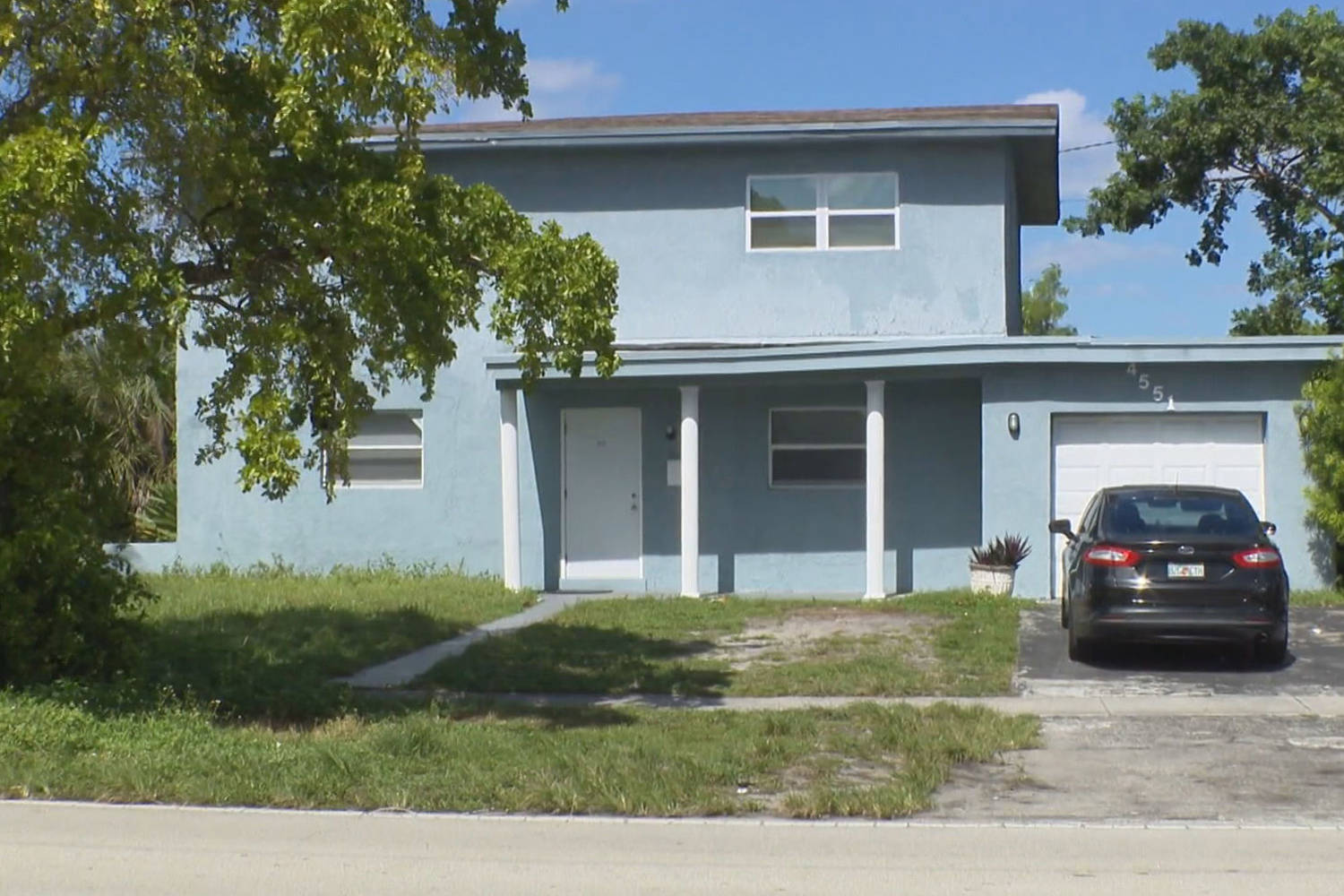
Walk into a house after a sudden death and you see grief, paperwork, and probate courts grinding at a snail's pace. You don't expect a law enforcement officer who responded to the scene to stay. Yet stories about a responding officer allegedly moving into a deceased Florida resident's home, remodeling the space, and living under the dead man's name for years hit a nerve that goes way past tabloid shock.
People search for this kind of case because it sounds impossible. How does someone quietly step into another person's life, alter the physical property, and keep that charade running without triggering a dozen alarms?
Honestly, the answer comes down to a mix of slow bureaucratic handoffs, trust in authority figures, and how messy property ownership gets when someone dies without a tight estate plan. Let's break down what makes identity takeover and property squatting so hard to catch early, where the system fails, and what everyday homeowners and families actually need to watch out for.
How a Deceased Florida Home Can Be Taken Over Quietly
When a homeowner dies unexpectedly, there's often a strange, quiet window before formal administration locks everything down. Relatives might live out of state. Distant cousins might not even know a bank account or deed exists. Local agencies clear the immediate scene, file reports, and move on to the next call.
If someone with inside knowledge or proximity decides to cross the line, they already know the house sat empty or lacked immediate family hovering on the porch. Renovating a home makes it look like active stewardship rather than abandonment. Neighbors see paint, new fixtures, or contractors and assume the new occupant has every right to be there.
That's the trick. Renovation looks like care.
People picture identity theft as a hacker in a dark room buying credit card numbers on a forum. In reality, physical identity takeover and property occupation rely on old-school friction points. Mail keeps arriving. Utilities can stay on or get transferred if someone has enough personal details. Tax bills go to the property address. Unless a bank freezes accounts immediately or an executor steps in fast, months can slip by before anyone asks a hard question.
Why Florida Property and Identity Cases Draw Out for Years
Florida has a massive population of retirees, snowbirds, and solo residents, which creates a very specific set of vulnerabilities. Many older homeowners live alone, have small or scattered families, and own homes free and clear or with long-standing mortgages. When tragedy strikes, there isn't always someone locally checking the mail the very next week.
Probate courts aren't fast. Even straightforward estates can take months to open, and contested or complicated ones drag on much longer. During that lag, property maintenance, unoccupied homes, and unmonitored accounts create blind spots that bad actors exploit.
Add a badge or prior familiarity with the scene into the mix, and the social friction gets even higher. Neighbors rarely challenge someone who looks official or carries themselves with authority. Code enforcement, utility workers, and casual observers tend to give the benefit of the doubt until a glaring contradiction surfaces—like a relative finally visiting, a title search turning up an anomaly, or an investigation digging back into old records.
The Biggest Myths About Stolen Identities After Death
A lot of folks assume death instantly shuts down a person's digital and financial footprint. It doesn't.
Death certificates take time to generate, file, and propagate across every agency, lender, and database. Even after an official record exists, reporting isn't instantaneous across every single institution. Meanwhile, physical documents—driver's licenses, mail, old bills, utility statements—can sit right inside a house if nobody secures the scene or hands keys to a vetted executor.
Another myth is that renovating a home proves legitimate ownership. Spending money on drywall, flooring, or fixtures doesn't transfer title. Under property law principles across U.S. jurisdictions, including Florida, real estate ownership follows recorded deeds and probate or transfer rules, not who bought new cabinets. Still, visually upgrading a place lowers suspicion in the short term because nobody expects a squatter or impostor to invest in long-term upkeep.
I've seen plenty of people confuse occupancy with legitimacy. Living somewhere, paying electric bills, and fixing a leaky roof feels like proof on the surface, yet none of that equals legal authority or rightful identity.
Red Flags That Signal Identity or Property Misuse
When cases like this eventually unravel, the warning signs were usually sitting there in plain sight, just scattered across different places.
- Unexplained prolonged occupancy after a resident's death without clear probate filings or family involvement.
- Cosmetic or structural remodeling done quietly without visible permits or a clear connection to a legal heir.
- Mail, bills, and local chatter that never quite line up with who the neighbors think lives there.
- Delayed estate updates where relatives assume "the state" or "the authorities" already handled everything after the initial emergency response.
None of these alone proves a crime. Sometimes a cousin really is fixing up a house before probate wraps. Put them together over years, though, and you get a textbook case of how long a false footing can last when nobody audits the timeline.
What Families and Homeowners Should Do Right Now
You don't need to be paranoid to protect your family or your own property from messy post-death gaps. A few basic steps close most of the openings that opportunistic people rely on.
- Put estate instructions in writing early. Don't leave family members guessing who has authority to enter a home, secure valuables, and talk to banks after a death.
- Keep key documents accessible to a trusted person. Make sure a designated executor or family member knows where deeds, insurance policies, IDs, and account details are kept, rather than leaving them loose in an empty house.
- Check property records periodically. County property appraiser and clerk websites let you see who holds title and whether new filings or transfers have popped up.
- Don't assume silence means security. If a loved one passes away, stay active on the practical paperwork—mail forwarding, utility checks, and probate steps—even when grief makes you want to put everything on pause.
The system catches up eventually, especially when physical records, financial trails, and human memory get compared side by side. The real lesson isn't that every empty house is a trap. It's that lax follow-through after a tragedy gives bad actors way too much runway.