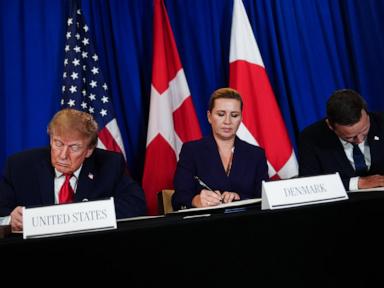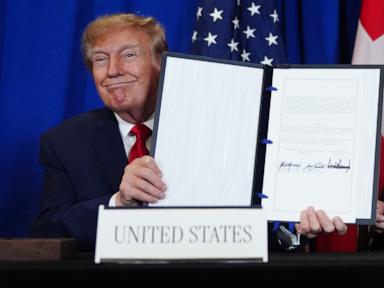
The diplomatic machinery of the North Atlantic does not typically shift on the whim of a singular personality, but the signature on the United States-Denmark-Greenland trilateral accord represents an exception born of prolonged friction. When Washington, Copenhagen, and Nuuk finally cemented an agreement to overhaul Arctic security architecture, the diplomatic corps treated it as a triumph of modern statecraft. Veterans of northern European defense desks know the reality is far more transactional.
Beneath the polished communiqués lies a scramble for geostrategic real estate. As retreating ice caps open sea lanes that shorten transit times between Asian manufacturing hubs and North American markets, the Arctic has transformed from a quiet scientific preserve into an active theater of great power competition. Moscow has modernized its northern military installations with a speed that startled Western planners, while Beijing has steadily labeled itself a near-Arctic state, funding infrastructure projects across Greenland that triggered acute anxiety inside the Pentagon.
The accord itself attempts to untangle a century-old knot of sovereignty and defense obligations. Under the newly struck terms, the United States secures expanded operational access to key installations across the island, most notably around the Pituffik Space Base, formerly known as Thule Air Base. Yet this access comes with a price tag measured in financial subsidies and formal acknowledgments of Greenlandic self-determination. Copenhagen remains the nominal guarantor of the realm, but Nuuk has effectively leveraged its geographic indispensability to carve out a seat at the high table of international security.
To understand why this pact matters right now, one must look past the bureaucratic language of cooperation and examine the physical geography of the Greenlandic coast. Deep-water fjords that were choked with multi-year ice a decade ago now sit navigable for months longer each year. These waters offer natural choke points for submarine transit between the North Atlantic and the Arctic basin. If a rival power establishes persistent surveillance or logistical nodes along these shores, the entire strategic posture of North America shifts.
The White House knew this. The Danish Foreign Ministry knew this. And the newly empowered government in Nuuk understood their leverage better than anyone else at the negotiating table.
For years, the relationship between Washington and Nuuk was mediated entirely through Copenhagen, a dynamic that local politicians in Greenland increasingly viewed as an anachronistic colonial hangover. When the administration in Washington first floated the concept of acquiring the territory years ago, European capitals treated it as a diplomatic gaffe. In reality, it was a blunt-force signal that the status quo in the Arctic was unsustainable. The subsequent years of quiet, grinding diplomacy replaced the rhetoric with tangible constraints and commitments.
The financial commitments embedded in the agreement are substantial, though precise figures remain tightly guarded by defense auditors. Washington is funneling economic aid directly into Greenlandic infrastructure, bypassing traditional channels in Denmark to build goodwill among a local population that has historically viewed foreign military presence with deep ambivalence. Environmental remediation of legacy Cold War sites forms another pillar of the accord. The United States military left behind a trail of abandoned radar stations and chemical waste decades ago, and paying to clean up those frozen ghosts is the admission fee for modern cooperation.
Skeptics within the European security community argue that the deal exposes deep fractures within NATO's northern flank. Denmark has long struggled to meet its alliance defense spending targets while maintaining its sprawling Arctic command responsibilities. By inviting a heavier American footprint, Copenhagen effectively outsourced a security burden it could no longer comfortably shoulder alone. This creates a subtle erosion of Danish sovereignty on the ground, even as diplomats insist the tripartite framework preserves the integrity of the kingdom.
Meanwhile, Nuuk is playing a sophisticated long game. Independence from Denmark remains the ultimate political objective for many Greenlandic leaders, but economic viability is the absolute prerequisite. By positioning themselves as indispensable partners in Western security, they have secured financial backing and international recognition that moves them one step closer to genuine statehood, all while managing the delicate balancing act of accepting foreign security without becoming a pawn in a larger superpower confrontation.
The operational reality inside the Arctic Circle will change rapidly over the next few years. Upgraded radar arrays, enhanced deep-water port facilities, and a permanent rotation of reconnaissance assets will transform the local landscape. The era of benign neglect in the high north has officially expired. Washington has planted its flag deeper into the ice, and the ripples of this accord will shape the northern sea lanes for generations.