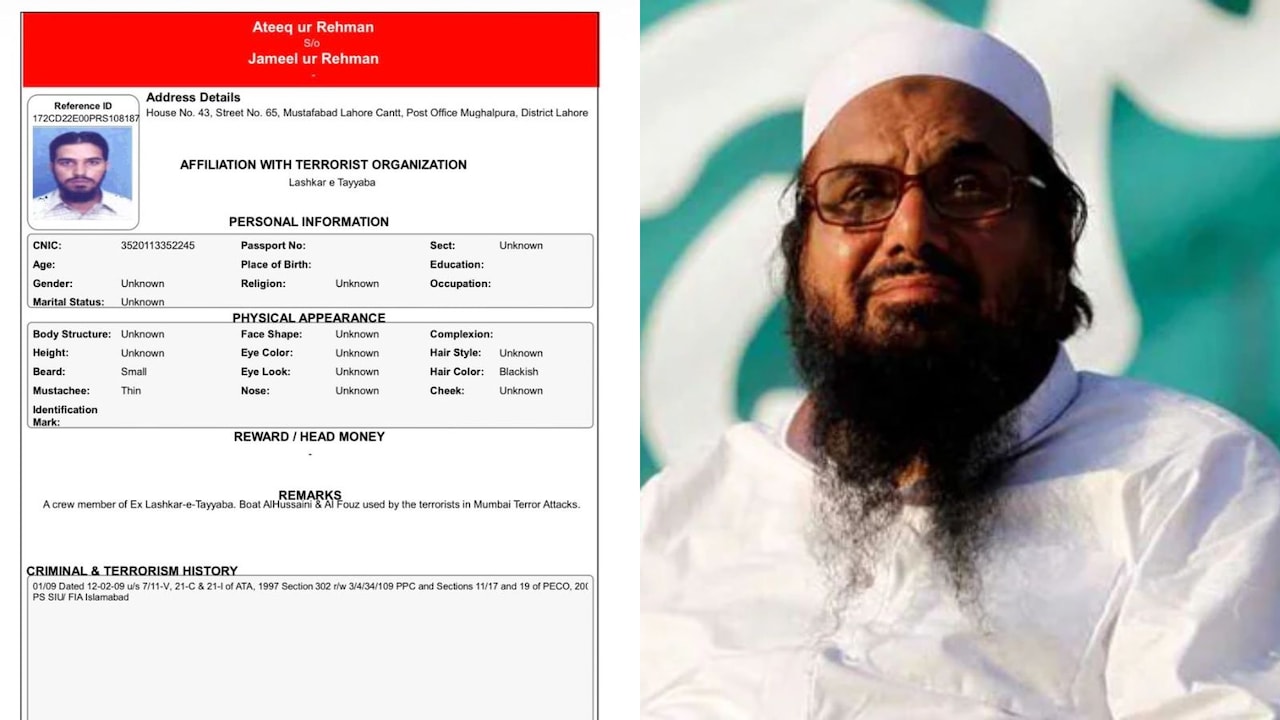
Geopolitical accountability rarely arrives through sudden diplomatic epiphanies. Instead, it surfaces via bureaucratic exhaustion, internal administrative shifts, and the slow, reluctant codification of facts that were previously suppressed under layers of state-sanctioned denial. Recent archival disclosures from domestic investigatory bodies within Pakistan—specifically the incremental mapping found within updated institutional registries—reveal a profound structural admission: the operational genesis of the November 2008 Mumbai attacks is explicitly traced to territory under Islamabad's sovereign jurisdiction.
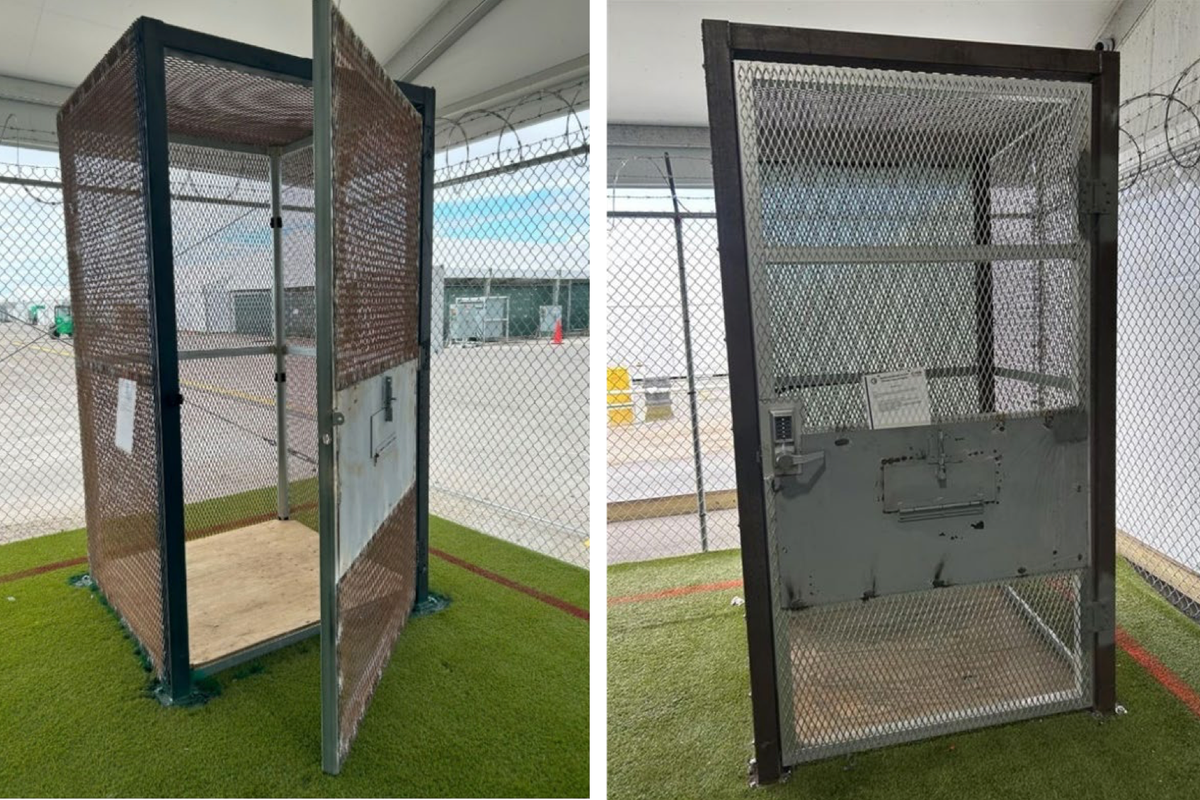
Yet, this documentation exists alongside a persistent operational paradox. While mid-tier operatives and logistic facilitators are cataloged as fugitives or prosecuted under narrow administrative mandates, primary architects such as Hafiz Saeed remain shielded by institutional firewalls. This dynamic illustrates a sophisticated survival strategy: offering tactical admissions to appease international financial watchdogs and diplomatic pressure while preserving core strategic assets through judicial and administrative ambiguity. Deconstructing this mechanism requires an examination of the structural incentives, legal buffers, and cost functions that sustain institutionalized protection for high-value militant leadership. Recently making headlines recently: Inside the Isolation Tactics of Alligator Alcatraz.
The Calculus of Institutional Documentation
State security apparatuses do not publish incriminating records by accident. The formal inclusion of Lashkar-e-Taiba operatives within expanded fugitive registries represents a calculated bureaucratic adjustment rather than an ideological conversion. For over a decade, official policy relied on total deflection, dismissing external dossiers as politically motivated fabrications. However, maintaining absolute denial carries compounding systemic costs, particularly when subjected to multilateral financial surveillance.
Financial oversight bodies operate on binary metrics of compliance. When jurisdictions fail to demonstrate active identification of designated entities, punitive capital restrictions follow. To mitigate external economic coercion, state agencies engage in targeted bureaucratic transparency. They isolate specific operational nodes—such as financial conduits, maritime trainers, and mid-level handlers—and document their ties to historical incidents. This allows the state to satisfy external compliance audits by showing nominal enforcement progress without dismantling the upper echelons of the network. More information on this are covered by The Washington Post.
By admitting that logistical staging occurred within domestic borders, the state transfers the burden of proof from physical geography to individual intent. The official narrative shifts from acknowledging state complicity to framing the event as a failure of domestic policing exploited by rogue non-state actors. This distinction is vital for institutional preservation. It insulates military and intelligence hierarchies from direct liability while creating an official record that satisfies the bare minimum requirements of international investigative standards.
The Utility Function of Non-State Proxies
To understand why primary strategists are routinely insulated from effective prosecution, one must analyze the utility function of asymmetric proxies within regional defense planning. Traditional military doctrine focuses on symmetrical deterrence, balancing conventional force ratios across contested borders. However, when conventional parity is unattainable or economically unviable, security planners resort to sub-conventional doctrines.
Non-state actors fulfill specific strategic requirements that regular military units cannot execute without triggering full-scale conventional retaliation. They provide plausible deniability, lower the cost of protracted interstate friction, and impose constant security expenditures on adversaries. Because these networks are cultivated over decades, they become deeply embedded in the internal security architecture. They acquire real estate, establish charitable fronts, recruit through religious institutions, and cultivate patronage networks that span local and national politics.
Dismantling these networks entirely creates internal security risks for the host state. Core leaders retain loyalist cadres who can pivot from external operations to domestic insurgency if betrayed by their former patrons. Consequently, security planners view total eradication as a sub-optimal outcome. Instead, they prefer cyclical management: arresting figures during periods of intense international scrutiny, placing them under protective custody when diplomatic pressure peaks, and quietly releasing them when global attention shifts elsewhere.
Judicial Architecture and the Preservation of Assets
The persistence of impunity relies heavily on a specialized judicial architecture designed to neutralize external extradition and domestic prosecution demands. A superficial examination of court dockets might suggest that the legal system is actively processing terrorism cases. However, a deeper structural analysis reveals a pattern of procedural design meant to stall, obfuscate, and ultimately fail.
Prosecutorial integrity depends on verifiable chain of custody, uncompromised witness testimony, and admissible forensic evidence. In high-profile transnational terror cases, these requirements are systematically undermined by institutional non-cooperation. Intelligence agencies routinely withhold critical communications intercepts, classified surveillance logs, and operational records under the pretext of national security exemptions. Without these foundational inputs, judicial proceedings collapse into circular arguments over secondary evidence.
Furthermore, charges are frequently filed under administrative or financial statutes—such as unauthorized fundraising or membership in proscribed organizations—rather than direct charges of mass murder, conspiracy, or waging war against a foreign state. These lesser charges carry minimal penal consequences and allow defense counsels to exploit statutory loopholes regarding detention limits and trial timelines. When convictions are secured under international pressure, they are often overturned on appeal due to deliberately manufactured evidentiary gaps. This ensures that the accused remain legally untouchable while appearing to be subjected to due process.
The Strategic Equilibrium of Impunity
The coexistence of official admissions regarding foreign operations and the continuous protection of domestic masterminds creates a stable equilibrium of controlled friction. The host state successfully avoids catastrophic economic isolation by throwing nominal concessions to investigators, while elite factions within the security establishment retain their operational leverage.
Adversary states respond through diplomatic containment, intelligence sharing, and multilateral pressure campaigns, recognizing that domestic political will for genuine reform remains absent. This dynamic locks the region into a permanent holding pattern where justice is structurally deferred, and historical grievances are institutionalized rather than resolved.
Moving forward, external actors must alter their analytical frameworks. Expecting voluntary self-correction from an institution deeply invested in the preservation of proxy assets is fundamentally flawed. Strategic containment requires shifting the cost function of protection so high that the institutional overhead of shielding figures like Saeed outweighs any perceived sub-conventional benefit. Until the structural incentive for proxy maintenance is dismantled through coordinated economic and diplomatic levers, the architecture of impunity will remain intact, ensuring that admissions of guilt serve merely as diplomatic theater rather than catalysts for accountability.