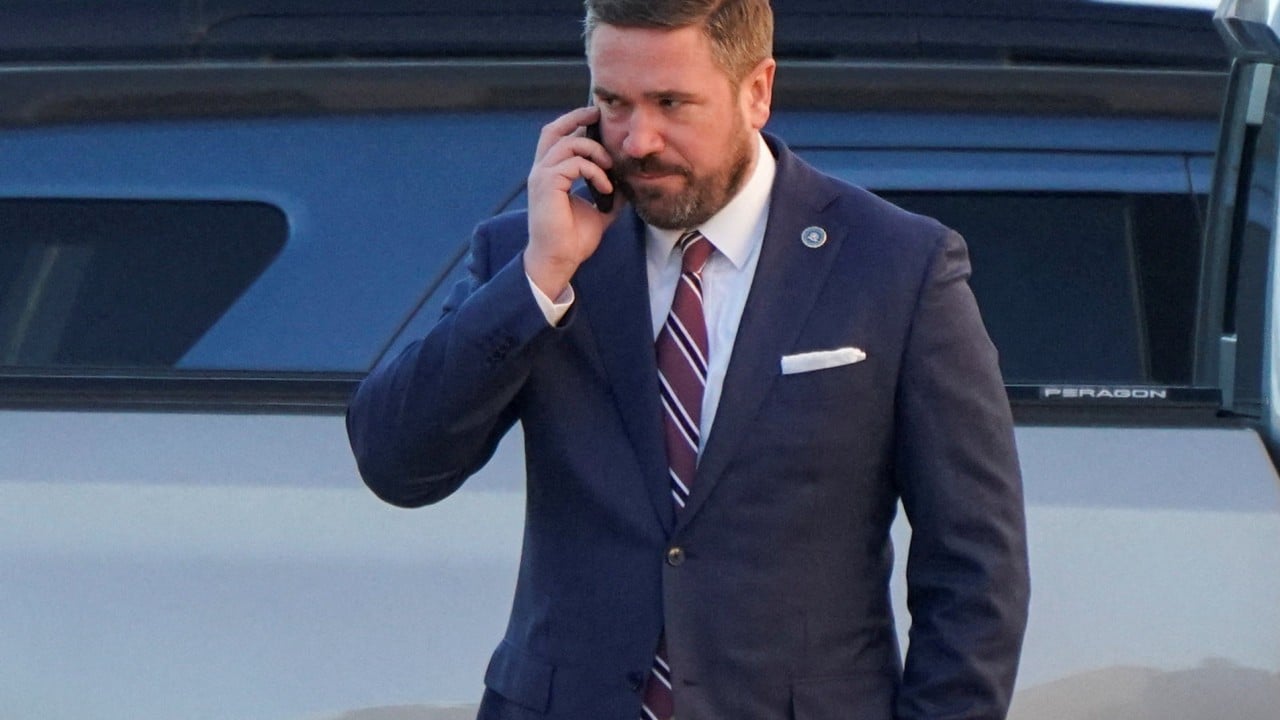
Federal bureaucracy rarely experiences quiet exits, and Andrew Bailey stepping down as FBI co-deputy director is no exception. After barely a year inside the bureau, his departure leaves open questions about high-level leadership stability under Director Kash Patel.
If you've followed Washington leadership shuffles, you know a twelve-month tenure at this tier isn't just a brief stint. It is a blip. Yet, it carries real weight for an agency navigating massive institutional friction. Bailey cited family reasons for returning to Missouri, but the sudden shift leaves a structural void at the top of America's premier law enforcement organization.
The Short Tenure That Shook Bureau Leadership
Bailey came into the bureau with a loud political footprint. Before taking the co-deputy spot, he served as Missouri's attorney general, where he spent plenty of time tangling with high-profile national legal fights. When he transitioned to federal service under the Trump administration, insiders pegged him as a heavy-hitting administrator capable of implementing sweeping internal reforms.
Instead, his tenure was surprisingly quiet publicly, save for high-stakes operational moments like overseeing controversial election fraud investigations, including a heavily scrutinized search warrant execution in Fulton County, Georgia.
People often wonder why high-ranking officials walk away so quickly. Washington burnout is real. The collision between state-level political ambitions and crushing federal oversight creates an environment where staying for the long haul is rare. When you look at the revolving door of political appointees, burnout mixes with shifting political landscapes to cut careers short.
What Happens to the Co-Deputy Structure Now
The bureau's leadership hierarchy hasn't always relied on a dual co-deputy model. When Bailey exits, the arrangement faces immediate scrutiny. Critics and agency insiders have quietly pointed out that splitting deputy duties creates administrative ambiguity.
Without Bailey, the operational weight shifts heavily. Bureau leadership must decide whether to backfill the position with another political outsider or promote career intelligence professionals to steady the ship. Direction from the top dictates daily field operations, agent morale, and how aggressively the bureau pursues politically sensitive investigations.
Director Kash Patel publicly thanked Bailey for instituting critical institutional changes, but praise doesn't solve structural vacancies. When top deputies cycle out yearly, institutional memory suffers. Agents on the ground feel the whiplash every time leadership priorities shift.
The Broader Impact on Federal Oversight
You have to look past the press releases to see the real pattern here. High turnover at the executive level of federal agencies changes how investigations are managed. When leadership changes every twelve months, long-term strategic initiatives stall.
Missouri political watchers aren't entirely surprised by the homecoming, given Bailey's fast-paced trajectory from state attorney general to federal appointee. Still, jumping back across that divide leaves a gaping hole in Washington.
Watch how the bureau fills this seat. If a career insider steps up, expect a pivot toward institutional stabilization. If another political firebrand takes the post, the friction inside the beltway will only intensify. Leadership changes at this level dictate the tone of national investigations for years, and Bailey's abrupt exit means the next chapter is entirely unwritten.
Former Missouri AG Andrew Bailey quits FBI after a year on the job
This video provides a detailed local news breakdown of Andrew Bailey's departure from the FBI and his return to Missouri.