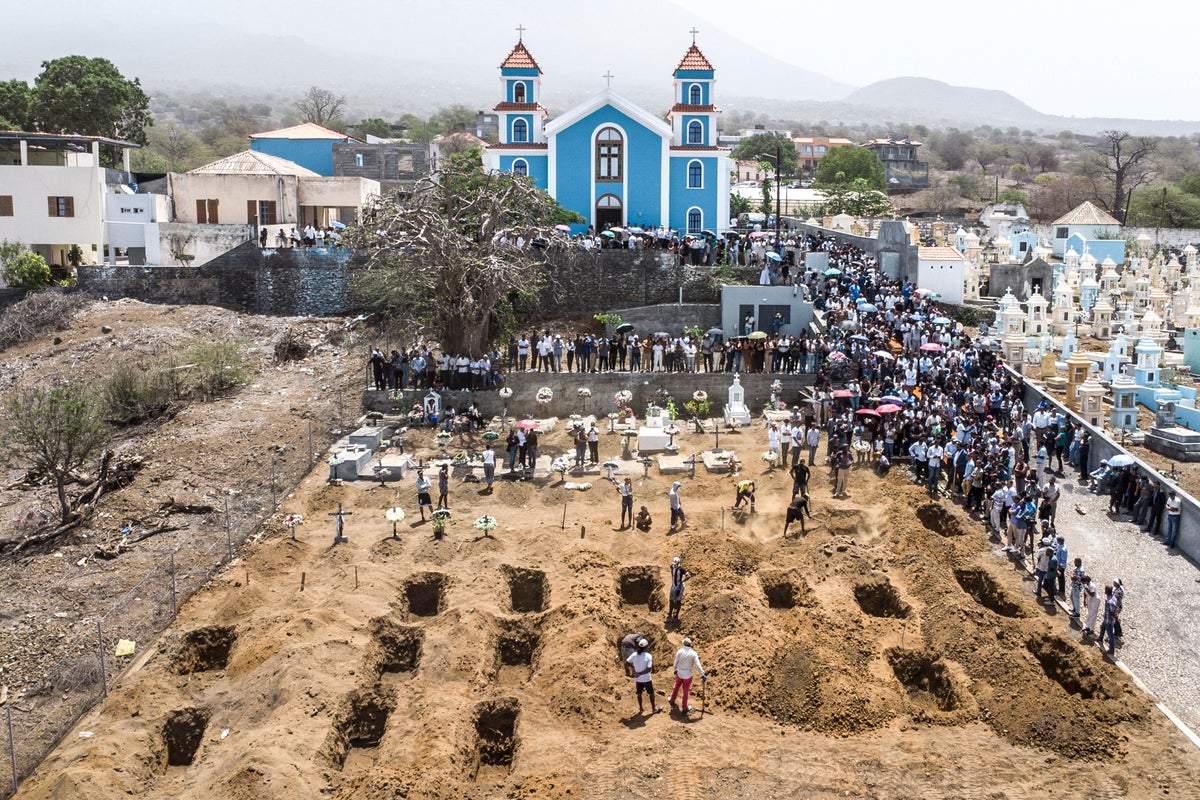
The administrative processing of deceased non-combatants in protracted conflict environments operates through a friction-heavy pipeline characterized by institutional logjams, chain-of-custody fragmentation, and bureaucratic inertia. When civil infrastructure collapses under sustained military operations, the retrieval, identification, and repatriation of human remains transition from standard municipal functions into high-friction logistical hurdles managed by militarized or ad-hoc entities. Understanding the mechanics of these delayed restitutions requires examining the structural points of failure that separate the moment of mortality from the physical return of remains to surviving kin.
The Logistics of Post-Mortem Friction
In conventional jurisdictions, mortality documentation, forensic identification, and custodial transfer occur within a compressed, regulated timeline. In active zones of engagement, this workflow is disrupted by systemic bottlenecks.
The primary variable governing the speed of body recovery is territorial control. When a combat zone remains fluid or under active bombardment, forensic teams, independent humanitarian observers, and municipal workers cannot safely access incident sites. This creates an initial holding pattern where remains remain uncollected, increasing decomposition rates and degrading biological markers essential for positive identification.
Once remains are recovered, they enter a triage system dictated by resource scarcity. Forensic capacity—measured by DNA profiling laboratories, functional morgues, and trained pathologists—is routinely overwhelmed. The timeline extends exponentially when identification requires advanced genetics rather than visual confirmation or secondary documentation like identity cards, which are frequently destroyed, lost, or separated from the body during blast events.
Institutional Intermediaries and Custodial Transfer
The transfer of remains from state or military custody to civilian families rarely happens directly. It relies on institutional intermediaries, including international bodies like the International Committee of the Red Cross, local municipal councils, or designated liaison offices. Each handoff point in this chain introduces administrative latency.
Communication channels between military authorities holding remains and civilian populations seeking them are frequently obstructed by security clearances, travel restrictions, and institutional opacity. Families navigating this architecture face an information vacuum. The absence of automated tracking systems or centralized public registries forces relatives to rely on decentralized inquiries, increasing the psychological toll and extending the duration of custodial limbo.
The Administrative Cost of Bureaucratic Delay
Extended delays in the return of remains generate cascading socio-legal and psychological consequences for surviving dependents.
From a legal perspective, the absence of a confirmed body or official death certificate paralyzes civil administration. Estates cannot be settled, property rights cannot be transferred, and survivor benefits or pensions cannot be claimed. This administrative stasis forces surviving dependents into immediate economic vulnerability, severing household income streams while legal systems demand physical proof of mortality that the state itself is withholding or failing to process.
Psychologically, protracted delay prevents the closure of the mourning cycle. Anthropological frameworks identify funerary rites as a critical social mechanism for processing collective grief and re-allocating social roles within a community. When physical remains are withheld or delayed for extended periods, grief remains suspended, preventing the psychological adaptation required for long-term recovery and resilience.
Systemic Optimization Failures
The friction observed in the transfer of remains is not merely an incidental byproduct of war; it is the structural result of prioritizing military operational security over humanitarian processing. When forensic data management is decentralized and treated as a secondary concern, institutional accountability dissolves.
Resolving these structural bottlenecks requires establishing standardized, independent protocols for data sharing between combatants and humanitarian agencies, decoupling the identification process from political negotiations, and deploying mobile forensic units capable of operating in contested peripheries. Until structural incentives shift toward treating post-mortem processing as an urgent humanitarian mandate rather than an administrative afterthought, the timeline of restitution will remain dictated by systemic friction rather than human urgency.