The deployment of United States Special Envoy Steve Witkoff and Senior Advisor Jared Kushner to Bürgenstock, Switzerland, establishes a highly structured, 60-day operational window designed to convert a volatile regional conflict into a formalized diplomatic equilibrium. This diplomatic maneuver relies on a 14-point memorandum of understanding (MoU) signed between Washington and Tehran. Rather than acting as a definitive resolution, this framework functions as a temporary friction-reduction mechanism. It conditions long-term maritime stability and nuclear non-proliferation on a complex, multi-party compliance matrix.
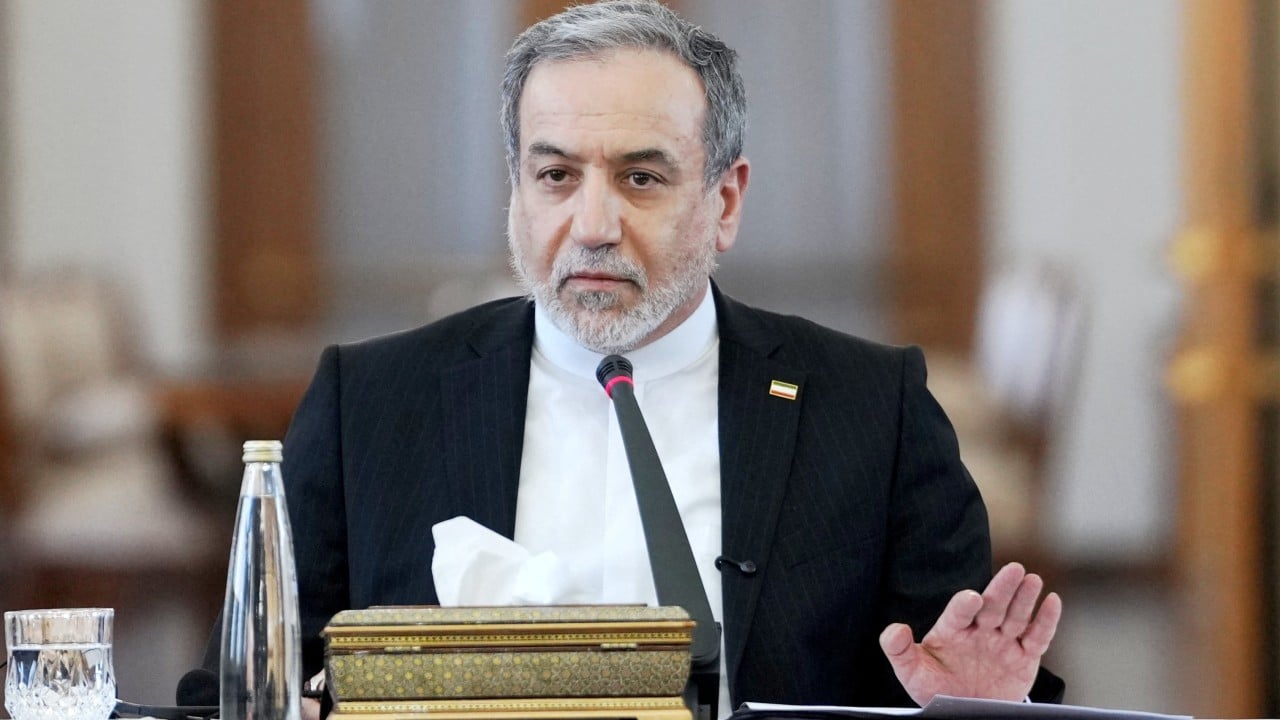
The structural logic of these negotiations depends entirely on a sequence of geopolitical events: a fragile, newly implemented ceasefire between Israel and Hezbollah in Lebanon served as the absolute prerequisite for Iranian Foreign Minister Abbas Araghchi to commit to the Swiss summit. By analyzing the structural components, leverage asymmetries, and operational risks of this framework, we can map out the actual mechanisms driving this high-stakes diplomatic process.
The Architecture of the 60-Day Compliance Matrix
The interim agreement does not operate on mutual trust; instead, it relies on a synchronized timeline where economic concessions are directly tied to verifiable security benchmarks. This framework can be broken down into three distinct operational pillars:
- The Inspection and Verification Architecture: The technical core of the agreement depends on a side letter negotiated between Tehran and the International Atomic Energy Agency (IAEA). This protocol re-establishes access for UN nuclear inspectors to Iranian nuclear facilities. The immediate goal is to audit and baseline Iran's current stockpile of highly enriched uranium.
- The Maritime Security Variable: A major element of the MoU involves the joint administration and stabilization of the Strait of Hormuz. The objective is to eliminate asymmetric threats to international shipping lanes, lower maritime insurance premiums, and restore predictable crude oil logistics.
- The Upfront Financial Liquidity Inflow: In exchange for entering this technical negotiation window, the United States has suspended specific economic blockade measures. This step allows for the structured release of frozen Iranian assets and establishes a framework for potential reconstruction funding.
+-------------------------------------------------------------+
|               The 60-Day Compliance Matrix                  |
+-------------------------------------------------------------+
|  Phase 1: Verification   ->  IAEA audits uranium stockpiles |
|  Phase 2: Stabilization  ->  De-escalation in Strait of    |
|                              Hormuz and Lebanon             |
|  Phase 3: Liquidity      ->  Structured release of frozen   |
|                              Iranian assets                 |
+-------------------------------------------------------------+
Asymmetrical Leverage and the Enforcement Problem
A major structural vulnerability of this framework is the front-loaded distribution of economic benefits relative to long-term security commitments. Critics of the current MoU point out an asymmetry in how leverage is applied over time: Tehran receives immediate economic relief, whereas the most difficult technical restrictions on its nuclear infrastructure are pushed to the end of the 60-day window.
This structural design creates a distinct enforcement problem. Once asset liquidity is restored to Iran, the marginal cost of non-compliance for Tehran drops significantly. The United States maintains the ability to snap back economic sanctions or resume a maritime blockade, but these tools face diminishing returns. Re-imposing sanctions requires significant diplomatic capital and rarely matches the speed of an actor altering its compliance on the ground.
Regional Interdependencies and Proxies
The Switzerland talks demonstrate that bilateral negotiations cannot be isolated from wider regional conflicts. The initial delay of the technical round—originally scheduled to begin earlier in the week—highlights how tightly coupled these diplomatic tracks are. Iran's refusal to send Foreign Minister Araghchi to the table until a verified ceasefire took hold between Israel and Hezbollah reveals a clear strategic calculation: Tehran treats its regional proxy network as a primary defensive shield and a key point of leverage in negotiations.
The friction between these parallel tracks creates a distinct operational bottleneck:
- The Proxy Security Dilemma: If Israel resumes cross-border military operations against Hezbollah infrastructure in southern Lebanon, Iran is highly likely to freeze its technical cooperation with the IAEA in Switzerland.
- The Deterrence Threshold: Ebrahim Azizi, head of Iran's parliamentary national security committee, has explicitly warned that any perceived U.S. deviation from the initial clauses of the MoU will trigger a deterrent response. This highlights how easily tactical missteps can cause the entire framework to collapse.
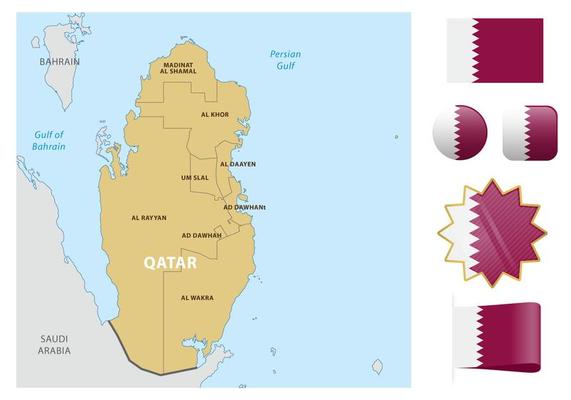
- The Mediation Buffer: Because the two primary nations lack direct diplomatic channels, the entire operational flow of the negotiations depends on third-party mediators like Qatari Prime Minister Mohammad bin Abdulrahman Al Thani. This reliance introduces structural communication delays and limits how quickly the parties can react during a crisis.
Strategic Recommendation
To prevent the 60-day negotiation window from collapsing into a temporary pause for restructuring, U.S. selectors must shift from an all-or-nothing enforcement model to a strictly metered, incremental framework. Financial assets should not be unlocked in large blocks based on political promises. Instead, asset releases must be tied directly to specific, verifiable actions, such as the physical removal or down-blending of highly enriched uranium fractions certified by the IAEA.
At the same time, maritime oversight in the Strait of Hormuz must be clearly separated from political developments in the Levant. If commercial shipping safety remains tied to the stability of regional ceasefires, the agreement will stay vulnerable to disruption by local actors looking to derail the talks. True regional stability requires a strict, rule-based approach to compliance where economic access is directly and explicitly linked to verifiable denuclearization benchmarks.