Modern commercial aviation safety architecture operates under the assumption of layered containment. Dual-pilot flight decks, standardized operational procedures, physical access barriers, and automated flight control systems are engineered to prevent catastrophic single-point failures. When an active internal threat breaches these security parameters, the structural integrity of the entire defense model depends entirely on stochastic human intervention. The incident involving flydubai Flight FZ1073 deconstructs the limits of automated aviation security and highlights the mechanics of crisis response when standard protocols fail.
The Threat Vector and Structural Breach
Commercial flight decks rely on restricted access protocols designed to mitigate external hijacking threats. However, these fortifications introduce a critical systemic vulnerability: insider access. When the threat originates inside the flight deck from a flight crew member, the physical barrier that keeps unauthorized individuals out simultaneously traps the defending pilot inside with the aggressor.
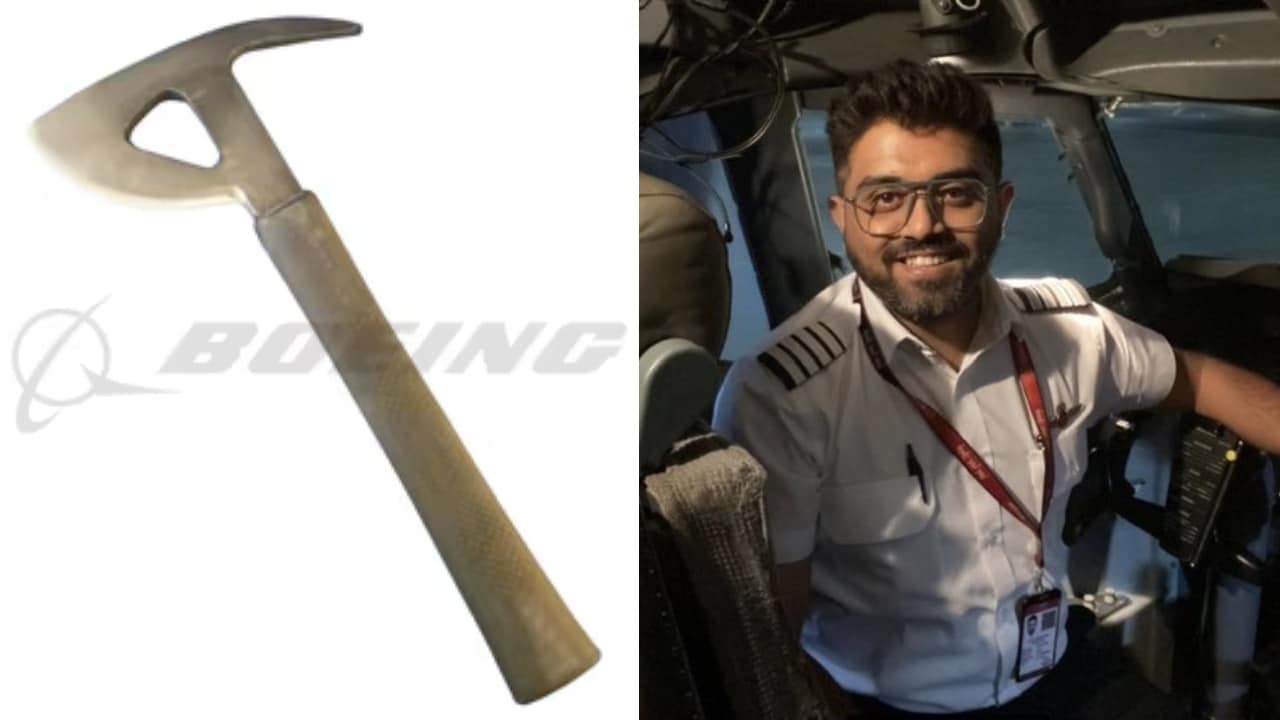
In the case of Flight FZ1073, the co-pilot allegedly initiated a violent assault on the captain using a crash axe stored on the flight deck. The suddenness of the assault compromises the primary cognitive loop of the surviving pilot. Aviation safety models account for pilot incapacitation through medical events or environmental stressors, but they do not dynamically adapt to malicious, intentional control sabotage executed by a co-operator with complete system access.
The physical mechanics of the aircraft during the subsequent descent illustrate the severity of the operational disruption. Unchecked control inputs aimed at forcing an aircraft downward create an immediate divergence from the flight envelope. The physical descent rate, compounded by structural G-forces, restricts the ability of any single individual to execute standard recovery checklists. The survival of the flight depended on the systematic dismantling of the sterile cockpit rule through external passenger intervention.
The Multidisciplinary Response Vector
When institutional safety protocols collapse, the mitigation of total loss shifts to ad-hoc crisis management executed by untrained civilians. The personnel who breached the flight deck to neutralize the threat possessed no formal tactical aviation training, yet their professional backgrounds dictated their functional roles in containing the emergency.
The response can be categorized into three operational vectors: containment, medical triage, and aerodynamic stabilization.
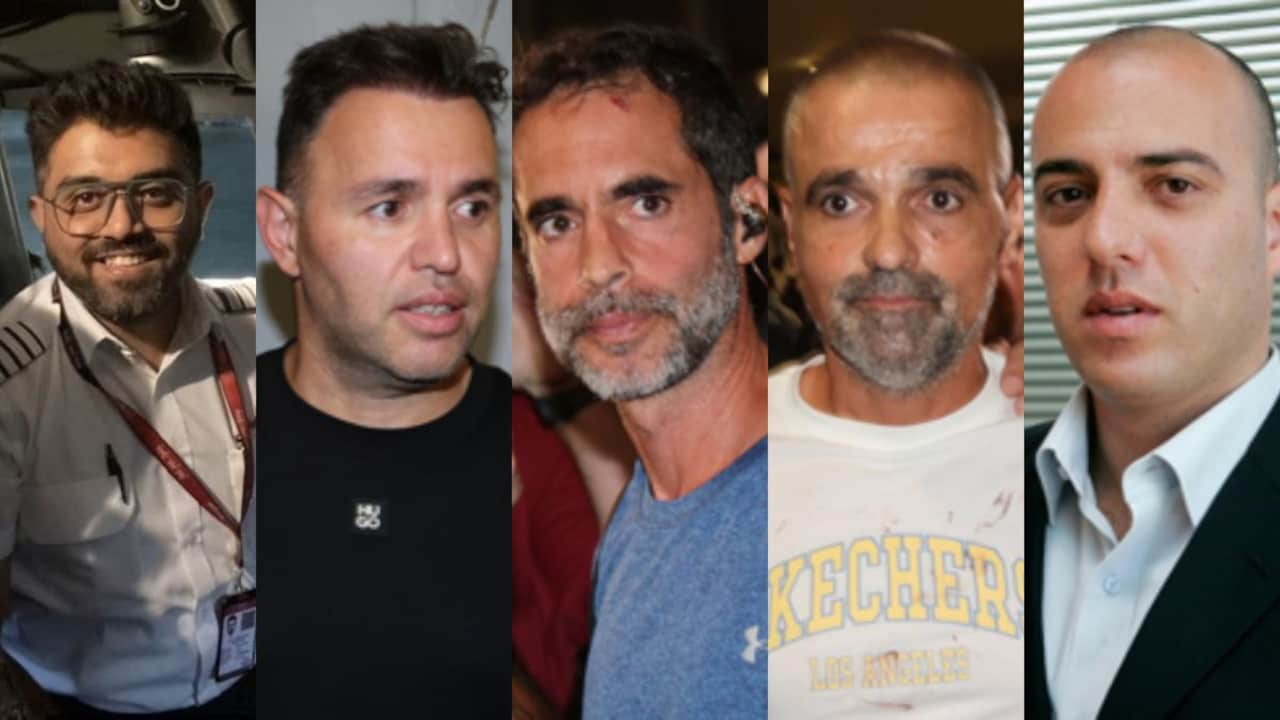
- Physical Neutralization and Restraint: Passengers with diverse professional profiles—including a plumber, a banker, and a businessman—coordinated physical force to subdue the attacker. The application of improvised restraints, specifically utilizing multimedia headphone cables, demonstrates dynamic resource substitution under extreme physical duress and cabin chaos.
- Emergency Medical Intervention: With the captain severely wounded and experiencing massive blood loss, an attending dentist performed critical trauma response inside the restricted, blood-contaminated confines of the flight deck. This intervention prevented the primary flight controller from expiring during a period where flight deck communication and manual oversight remained critical.
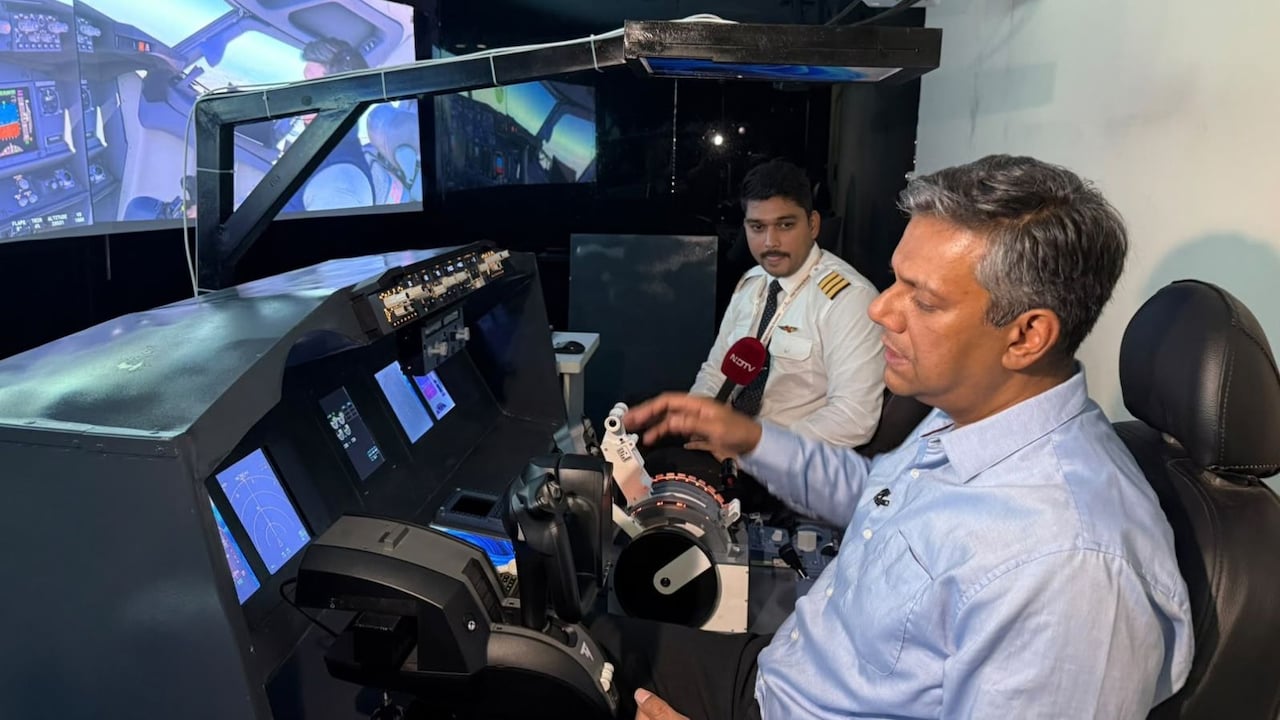
- Kinetic Stabilization: The physical displacement of the aircraft required immediate counter-inputs. An untrained passenger manipulating the control column based on heuristic observation of aviation media highlights a high-risk, low-probability survival action that temporarily altered the descent trajectory before crew members and off-duty relief pilots could assume command.
Systemic Implications for Flight Deck Security
The reliance on ad-hoc civilian intervention exposes fundamental gaps in modern cockpit architecture. While post-incident reviews typically focus on psychological screening enhancements and insider threat detection algorithms, the core engineering challenge remains unresolved: how to maintain robust external security without creating an internal detention cell where a rogue pilot can operate unchecked.
Current regulatory frameworks prioritize perimeter defense over internal compartmentalization. If an aggressor secures the flight deck from within, the time window required for cabin crew to unlock armored doors—even when assisted by an injured pilot opening the mechanism from the inside—creates a dangerous operational lag. During this lag, altitude loss accelerates exponentially.
Furthermore, the integration of off-duty relief pilots into the crisis recovery phase underscores the necessity of redundancy in crew resource management. The transition from passenger containment back to professional flight management stabilized the aircraft, but only after structural and physiological damage had already occurred.
Future aviation safety engineering must reconcile the paradox of the fortified flight deck. Mitigating insider risks requires architectural shifts that permit remote override capabilities from ground control or mandatory multi-party authorization protocols for drastic altitude and trajectory modifications, ensuring that no single individual inside the cabin can unilaterally override the flight management computer system.