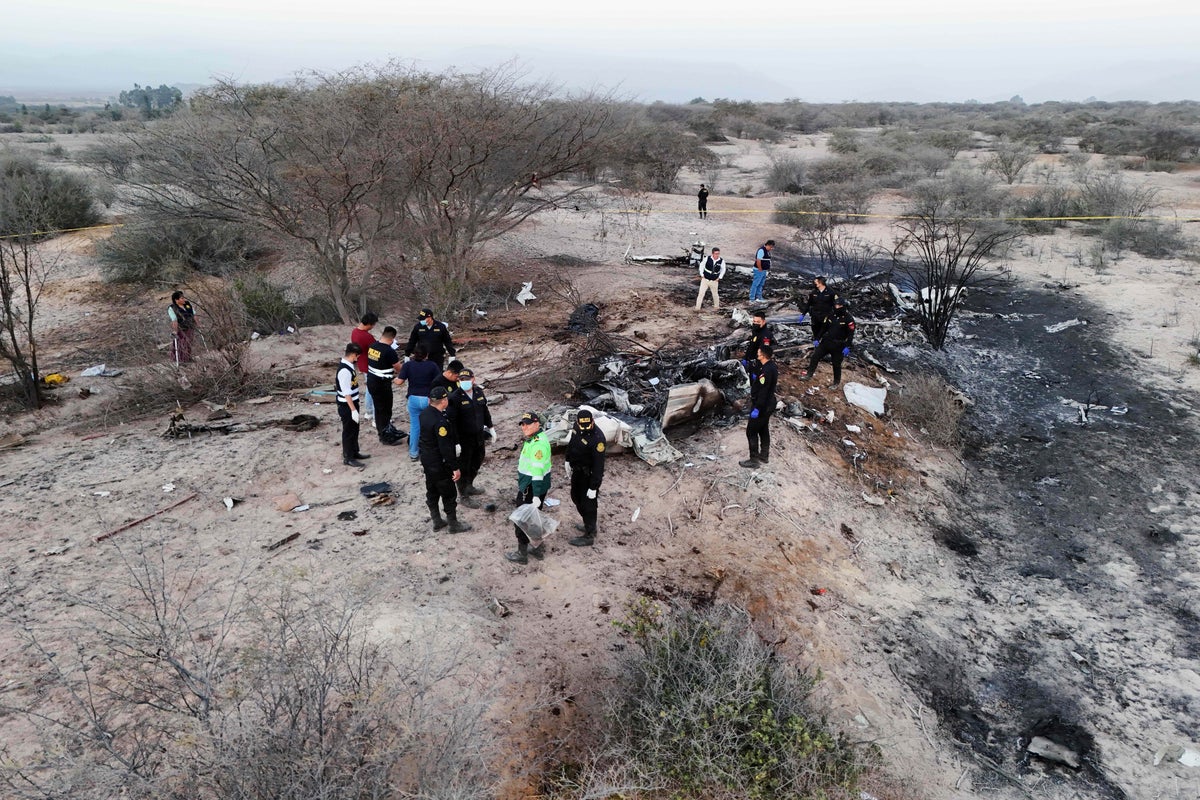
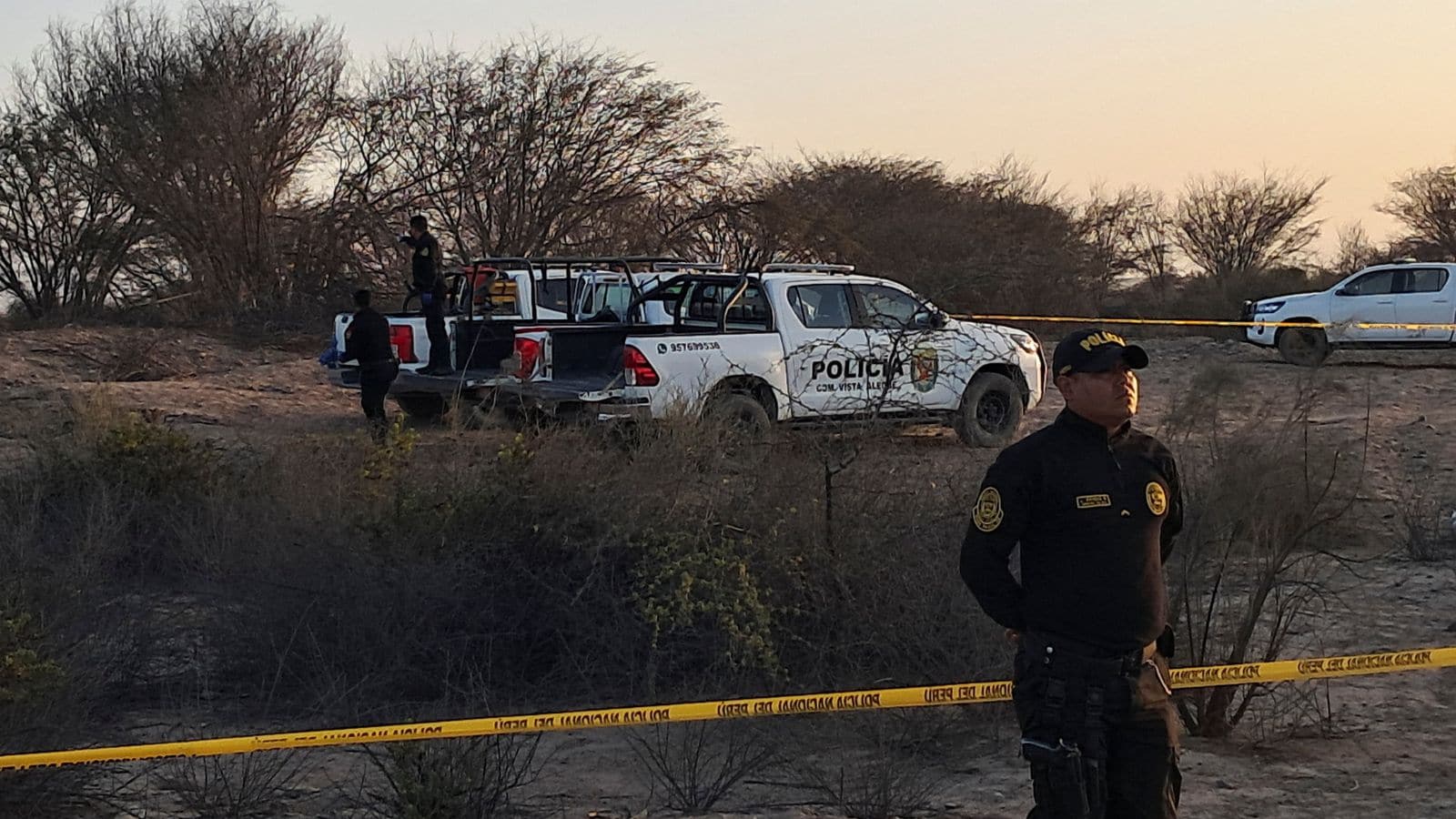
When an aircraft carrying international tourists crashes in a remote geographic corridor, the immediate news cycle typically defaults to emotional reporting and fragmented casualty counts. Standard journalistic output stops at the manifest. A rigorous operational analysis, however, demands an examination of the systemic failure points that convert routine tourism logistics into catastrophic events. Evaluating aviation safety in high-altitude, variable-weather tourism zones requires moving past the human tragedy to inspect the structural mechanics of transport risk, regulatory oversight gaps, and situational hazard management.
The Operational Environment and Geographic Friction
Commercial sightseeing and charter operations in regions like the Nazca Lines or Andean corridors present distinct geographical and meteorological challenges. High-altitude flight operations inherently reduce aerodynamic performance due to lower air density. When combined with localized thermal updrafts, sudden wind shear, and rugged terrain lacking adequate emergency landing options, the margin for pilot error or mechanical anomaly shrinks to near zero. For a more detailed analysis into similar topics, we suggest: this related article.
Standard commercial aviation relies on redundant systems, instrument flight rules, and heavily monitored air traffic control vectors. Conversely, visual flight rules often govern local tourism corridors where the primary objective is low-altitude, high-visibility passenger sightseeing. This creates an immediate operational conflict: the economic incentive to provide passengers with a clear, unobstructed view below incentivizes low-altitude flight, which directly increases exposure to terrain collision risks and limits reaction time during sudden weather degradation.
[Economic Incentive: Passenger Visibility]
                     │
                     ▼
[Operational Choice: Low-Altitude VFR Flight]
                     │
                     ▼
[Environmental Hazard: Variable Winds & Complex Terrain]
                     │
                     ▼
[Structural Vulnerability: Minimized Reaction Window]
The friction between tourism demand and environmental volatility forms the primary baseline risk. Operators working within these sectors operate within a narrow band of operational resilience. A minor deviation in flight path or an unexpected microburst does not simply cause a bumpy ride; it triggers a cascade failure because the buffer against the ground has been intentionally minimized. To get more context on this development, in-depth analysis is available at AFAR.
Regulatory Fragmentation and Oversight Deficits
Aviation safety is fundamentally a product of regulatory enforcement, but tourism corridors in developing or geographically challenging regions frequently suffer from oversight fragmentation. National civil aviation authorities may establish baseline airworthiness standards, yet struggle with continuous field monitoring, ramp inspections, and operational audits for small-scale charter or regional tour operators.
The economic model of niche tourism aviation often relies on high-frequency, low-capacity flights utilizing older aircraft models. These fleets require rigorous, capital-intensive maintenance schedules. When local regulatory bodies lack the resources to enforce stringent maintenance tracking or pilot currency requirements, safety margins erode quietly over time.
Key Regulatory Vulnerabilities
- Inspection Latency: The interval between official safety audits is often too broad to catch progressive degradation in aircraft systems or operational safety culture.
- Pilot Training Disparities: Regional operators may experience high turnover, leading to varying levels of local terrain familiarity and emergency response training among flight crews.
- Infrastructure Deficits: A lack of robust radar coverage, automated weather observation stations, and modern communication arrays forces reliance on visual estimation rather than telemetry data.
When an incident occurs, post-accident investigations typically reveal a chain of latent conditions—ranging from deferred maintenance items to ambiguous dispatch criteria—that predated the specific flight by weeks or months. The crash is merely the terminal event of an uncorrected operational drift.
Risk Mitigation Failures in Tourism Logistics
Tourists purchasing high-risk or adventure-adjacent excursions rarely possess the frameworks required to audit the safety management systems of local providers. The consumer decision-making process is mediated entirely by price, brand reputation, and convenience, creating a market failure where safety metrics are invisible to the end-user. Because safety is a non-observable attribute prior to consumption, market forces fail to penalize substandard operators.
To correct this asymmetry, institutional buyers, international travel agencies, and tour consolidators must implement strict vetting protocols that bypass local marketing claims. Operational due diligence requires auditing three core vectors:
- Fleet Maintenance Documentation: Verifying compliance with manufacturer-recommended service intervals rather than bare minimum statutory requirements.
- Crew Qualification Metrics: Mandating minimum hours specifically logged in the regional microclimate and terrain type, rather than general flight hours.
- Safety Management System Maturity: Assessing whether the operator maintains a functional reporting culture where near-misses are documented and analyzed without punitive friction.
Strategic Operational Forecast
The systemic risk profile of regional tourism aviation will remain elevated until regulatory bodies and commercial operators decouple passenger visibility incentives from altitude management protocols. As global tourism rebounds toward remote destinations, the pressure on local infrastructure will intensify. Operators that fail to transition from reactive compliance to predictive safety engineering will continue to experience catastrophic failures driven by environmental friction and oversight gaps.
Mandate automated flight tracking, mandate real-time meteorological reporting at unmonitored airstrips, and establish independent safety oversight boards funded by mandatory passenger safety levies on high-risk transport routes.