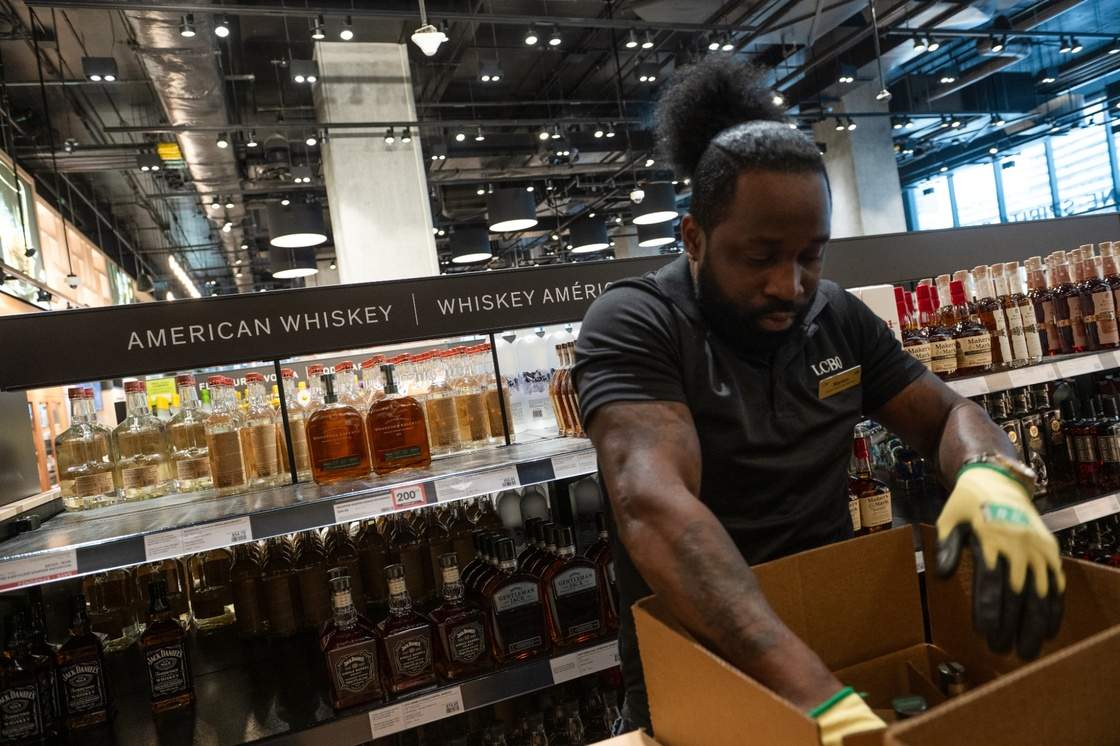
The shelf space is empty. Or, more accurately, it’s filled with everything but what it used to hold. Since early 2025, most Canadian provinces have treated American liquor like a banned substance, pulling popular labels from shelves in a calculated retaliatory move against U.S. tariffs. Now, as negotiators scramble to avert new trade penalties, the pressure is on to restock the bourbon and California reds.
But don't assume the customers are waiting.
You might think that once the supply chain restarts, the status quo returns. You would be wrong. Between 2024 and 2026, U.S. wine exports to Canada cratered by 78 per cent, costing the American industry roughly US$357 million. During that same window, spirit sales plummeted by over 66 per cent. These aren't just statistics. They represent a fundamental shift in what’s sitting on the Canadian dinner table.
Why the Consumer Habit Shift Matters
When you pull a product from the market for nearly two years, you don't just lose revenue. You lose the "default choice."
I've spoken to enough people in the industry to know that retail is all about visibility and momentum. When a shopper walks into an LCBO or an SAQ, they reach for what they know or what is positioned at eye level. By removing American products, provinces forced a massive, unplanned trial of alternatives.
Canadians didn't stop drinking. They just started drinking things from Italy, France, South America, or domestic craft producers. Once you find a new favorite Malbec or a local gin that you actually like, there is very little incentive to go back to the old bottle just because the trade spat is over.
Retail analysts have pointed out that many Canadians have been exposed to products they otherwise would have ignored. This is the "experimentation factor." Once a consumer realizes their life didn't end because they couldn't find a specific Kentucky bourbon, the brand's perceived necessity drops to zero.
The Sentiment Problem
It’s not just about taste buds. It’s about frustration.
Recent polling data is clear: roughly 69 to 70 per cent of Canadians have little to no interest in picking up American alcohol again, even if it lands back on shelves. In British Columbia, that number has climbed even higher, with over 80 per cent expressing apathy or outright opposition to buying U.S. booze.
This sentiment is rooted in the "constant badgering" of trade negotiations. When you treat a neighbor like a hostile entity, it impacts the checkout line. Shoppers aren't robots. They feel the political temperature. Buying a bottle of wine is a small act, but when that bottle represents a brand that was used as a pawn in a larger, uglier political game, consumers start to look elsewhere.
Is the Damage Permanent
Some argue that the market share for massive U.S. wine brands is "well-trodden" and will bounce back. There is some truth to that. High-visibility labels have an advantage. If you are a devotee of a specific, high-end Napa red, you’re likely to go back.
But the "long tail" of the market? The mid-range spirits and casual table wines? Those are gone. Domestic producers have used this window to solidify their presence on shelves. Provincial governments are also moving toward direct-to-consumer sales, which creates more pathways for local goods to bypass the traditional liquor board bottlenecks.
If those interprovincial barriers continue to drop, the need for American imports becomes even less pressing. The shelf space is a finite resource. Every inch occupied by an American bottle that doesn't sell is an inch lost by a local producer who might.
Reality Check for Retailers
If you’re a liquor store manager or a distributor, don’t hold your breath for a massive rush. The return of these products won’t look like a celebration. It will look like a quiet, slow-motion struggle to regain relevance.
If you are a consumer who happens to miss these products, you’ll likely see them return soon as a direct result of federal trade concessions. Prime Minister Mark Carney has explicitly asked premiers to restock, and in the world of high-stakes trade, politicians rarely ignore those signals.
However, you should expect:
- Slower turnover: Retailers won’t stock at previous levels. They will be risk-averse, testing the waters rather than flooding the floor.
- Shifted focus: Look for smaller, independent American craft brands to struggle more than the massive global conglomerates that have existing distribution contracts.
- Consumer pushback: Expect to see social media chatter or even localized boycotts continue in specific regions where the sentiment is strongest.
The era of American alcohol dominance in Canadian retail was built on convenience and habit. That habit has been broken. Replacing a product is easy, but regaining the trust and the "mental shelf space" of a customer is a different game entirely. It won't happen overnight. It might not happen at all. Stop assuming the market will just pick up where it left off. It's already moved on.