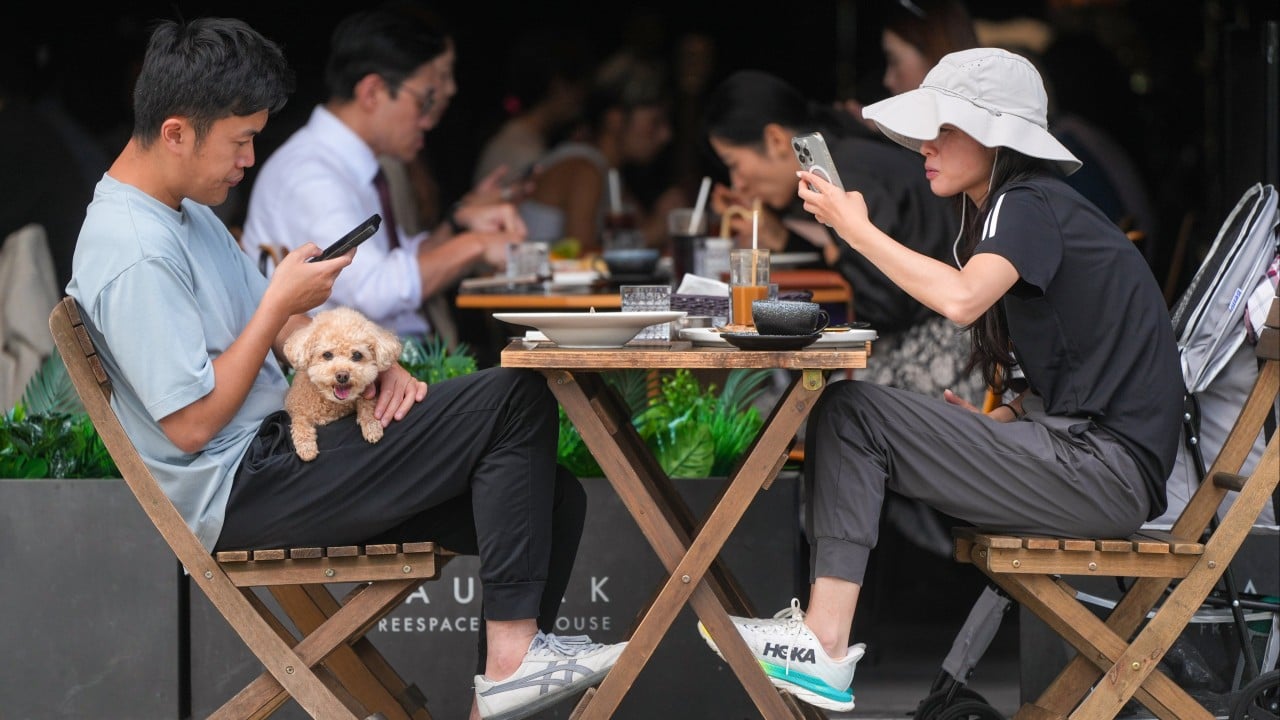
Twenty restaurants prosecuted for allowing dogs without permits since the scheme launched in Hong Kong tells you everything you need to know about how fast goodwill turns into legal trouble. When the Food and Environmental Hygiene Department (FEHD) rolled out the city's dog-friendly dining policy on July 9, 2026, it ended a decades-old ban that had kept dogs out of indoor food premises. Plenty of owners assumed the floodgates were wide open. They weren't.
Here's the blunt truth. A policy shift isn't a free-for-all. Default prohibitions didn't magically vanish overnight, and friendly intentions don't shield an operator from food safety law. By mid-October 2026, authorities had prosecuted 20 restaurants for unlawfully admitting dogs without permits, alongside seven diners who brought dogs into unapproved spots.
If you run a cafe or restaurant, or you love taking your dog out for brunch, ignoring the fine print is a terrible gamble.
How Hong Kong's Dog-Friendly Dining Scheme Actually Works
Before July 2026, bringing a dog onto food premises in Hong Kong was broadly off-limits outside narrow exceptions like guide dogs. The new regime didn't flip the default rule to "dogs welcome everywhere." Instead, it created a selective permission system managed by the FEHD, with a capped first-phase quota of 1,000 places after more than 2,100 to 2,205 applications poured in.
Permits attach to specific premises, not chain-wide reputations or casual verbal nods from a shift manager. A venue can hold approval at one branch and lack it at another down the street. Even outdoor tables aren't automatically exempt when statutory food business conditions apply—something operators in areas like Happy Valley and Kai Tak discovered to their frustration when turning away dog owners from outdoor seating.
When an unapproved restaurant lets a dog in, both the operator and the diner risk enforcement. Under Hong Kong's food safety rules for bringing a dog into non-permitted food premises, maximum penalties reach a HK$10,000 fine and up to three months' imprisonment, plus a daily fine of HK$300. That's not a slap on the wrist. It's a real compliance hit that can wreck a small margin.
Why 20 Prosecutions Happened So Quickly
People love a simple story: greedy or careless owners broke the rules and got caught. Usually, the reality on the ground is messier.
First, confusion exploded right out of the gate. Headlines talked about up to 1,000 approved restaurants, which made plenty of diners think "dog-friendly" meant citywide. Add viral social media clips showing dogs sitting on chairs, licking plates, or barking at neighboring tables, and public scrutiny spiked immediately. Hygiene officials logged roughly 20 minor complaints in just the first four days after launch.
Second, enforcement didn't wait months to bite. The FEHD launched its first prosecution against an unapproved eatery in Tsuen Wan within roughly a week of the July 9 start date, signaling that a first-month adaptation period wouldn't mean a free pass on serious breaches.
Third, running a dog-friendly dining room is operationally harder than it looks on Instagram. Space in Hong Kong eateries is tight. Some restaurants—including a branch of Café 100% operated by Taste of Asia Group Ltd—moved to withdraw or revoke dog-access permits after weighing customer comfort and cramped layouts. Across the first few weeks, more than 30 restaurants pulled out while dozens of warnings went out, and industry voices noted around 20 withdrawals even as waitlisted operators lined up to claim released spots.
Hands-on takeaway: In tight urban dining rooms, "pet-friendly" isn't just a marketing badge. It changes table spacing, server traffic, allergies, and floor-level hazards every single shift.
The Rules Permitted Venues Still Have to Enforce
Getting a permit—or snagging a spot off the waitlist—doesn't mean anything goes. Permitted restaurants must display the official FEHD sign at the entrance and follow strict operating conditions.
- No kitchen access: Dogs are strictly barred from food rooms and kitchens at all times.
- Leash and adult control: A dog must be licensed, microchipped, and vaccinated against rabies as required by law, kept on a leash of 1.5 metres or less, and held by an adult—even if carried in a stroller or carrier.
- Banned breeds: Fighting dogs and known dangerous dogs are not allowed into eateries.
- Seating and food zones: Dogs stay off tables and chairs, cannot block exits or passageways, cannot sit at bar counters unless separated by a permanent floor-to-ceiling partition from food prep areas, and must stay at least 1.5 metres away from buffet counters or salad bars. Cooking or heating food at tables is prohibited across the premises, even in dog-free zones.
For operators, three warning letters within 12 months over dog-related breaches or law violations can trigger permit cancellation and a one-year lock on reapplying. And if an unrestrained dog bites someone in a public place, including a restaurant, the owner faces separate liability under the Rabies Ordinance.
What Restaurant Owners and Dog Owners Get Wrong
I've watched plenty of hospitality launches stumble because teams focus on the fun part—custom menus or cute photos—and treat compliance like paperwork for later. Honest truth, that's backwards.
Mistake 1: Assuming "friendly" equals "permitted." A server who loves golden retrievers can't waive statutory food safety rules. If the venue lacks FEHD permission, saying "sure, bring him in" puts the business—and potentially the guest—on the hook.
Mistake 2: Treating signage as a daily open sign. A permitted restaurant can't simply rip down its official sign on a busy Friday or during certain hours to opt out on the fly; if it restricts dog entry during specific times, it needs separate notice rather than messing with the official signage.
Mistake 3: Forgetting non-dog diners. Roughly 9% of Hong Kong households own dogs or cats according to government estimates cited by Channel NewsAsia. That leaves more than 90% without them. Allergies, fear of larger dogs, and simple desire for a quiet meal are real business factors, not "haters."
Mistake 4: Skipping basic documentation. Dog owners who leave licensing details out of mind or assume a tiny dog doesn't need a proper leash setup run into avoidable friction at the door.
Practical Next Steps Before You Open or Dine Out
If you're a restaurant operator, verify your exact premises permit status directly through the Food and Environmental Hygiene Department before advertising dog-friendly seating. Walk your floor plan with a tape measure to check aisle width, distance from buffets or food prep, and table-heating habits, then train every front-of-house staffer on when to politely say no. If your layout or regular clientele clashes with dogs, withdrawing or passing on a permit is smarter than racking up warnings.
If you're a dog owner, check the venue's permit status and call ahead before heading out—especially around busy weekends or holidays when enforcement and crowds both ramp up. Bring your dog's licence details, pack a leash within the 1.5-metre limit, keep your dog settled on the floor away from food prep, and respect a "no" at the door. Good habits keep dog-friendly dining alive for everyone.