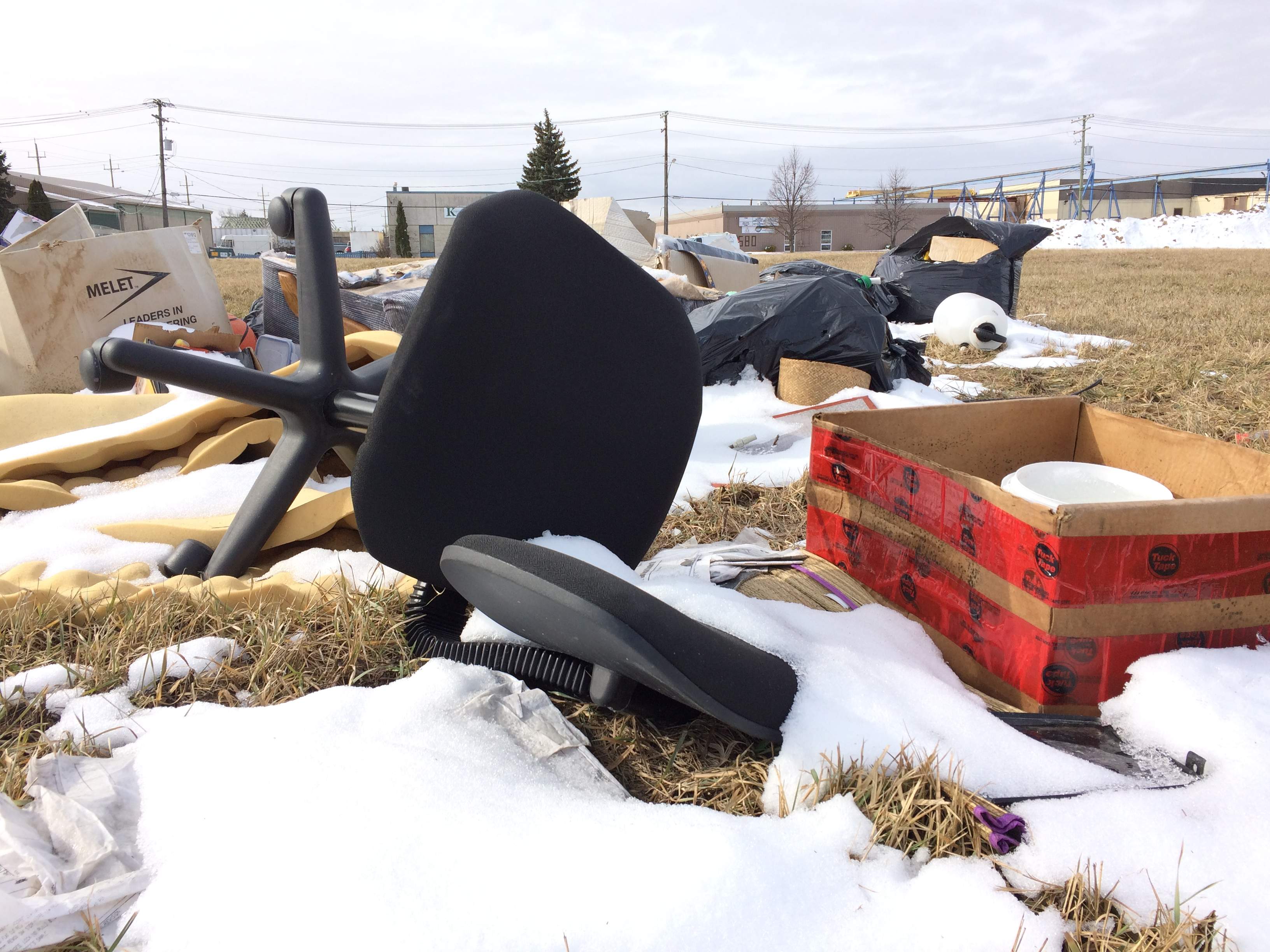
You drive down a quiet grid road in rural Alberta, expecting fields of canola and open skies, only to brake hard for an old mattress, three bags of household
Why Alberta Is Finally Hitting Back at Illegal Garbage Dumpers
news
You’ve seen it on a weekend drive down a quiet rural gravel road. A massive pile of old tires, rusted appliances, drywall scraps, and kitchen trash dumped right where the ditch meets the fence line. It's an eyesore. It poisons local waterways, attracts pests, and costs local municipalities millions of dollars every year to clean up. For too long, illegal garbage dumping in Alberta has been treated like a minor nuisance rather than the environmental crime it actually is.
That mindset is shifting fast.
Alberta is cracking down on backyard dumpers and commercial operators who treat public lands and rural ditches as free landfills. If you’ve ever wondered why local governments are sharpening their enforcement tools and why the fines are about to get uncomfortably high, you need to look at how a few bad actors ruined it for everyone else.
The True Cost of Trash in Our Ditches
Let’s be honest about the scale of the problem. When someone hauls an old couch or bags of household waste out to a remote country road, they aren't just saving a trip to the local eco-station. They are shifting their personal disposal costs onto rural property owners and municipal taxpayers.
Municipal districts across the province spend countless hours and hundreds of thousands of dollars tracking down debris, testing soil for contamination, and paying tipping fees to get rid of stuff that lazy people left behind.
Consider what happens when hazardous materials get tossed. Motor oil, old paint cans, chemical containers, and bags of rotting organic waste don't just sit there. They leach into the soil. They contaminate local groundwater tables that farmers rely on for livestock and irrigation. When the snow melts in spring, that mess spreads across fields, ruining crops and endangering wildlife that mistake plastic and insulation for food.
Rural councillors have been screaming about this for years. They are tired of acting as unpaid cleanup crews for urban contractors who don't want to pay commercial dumping fees at proper waste management facilities.
Why Existing Penalties Weren't Working
For a long time, the penalty system was basically a joke. If caught, a dumper might face a minor fine that was cheaper than the actual cost of proper commercial disposal. It became a simple business calculation for shady operators. If you run a small renovation or landscaping business, paying hundreds of dollars in tipping fees eats into your profit margins. Taking a calculated risk on a lonely backroad where the odds of getting caught are low felt like a smart bet.
Even when enforcement officers caught someone red-handed, the burden of proof in court was high, and the fines rarely reflected the environmental damage caused. Municipal enforcement lacked the legal teeth to impound vehicles used in illegal dumping operations or slap offenders with cleanup orders that actually carried weight.
That loop-hole-heavy framework is precisely what the new legislative push aims to dismantle. The province is looking at heavier mandatory fines, streamlined ticketing processes, and expanded powers for peace officers to seize trucks and trailers involved in chronic dumping.
Shifting the Burden to Commercial Offenders
While couch-dumping residents are annoying, the real target of tougher legislation is commercial operators. Think of roofing companies, drywall installers, and landscaping crews who undercut honest competitors by illegally ditching their debris.
Legitimate waste haulers play by the rules. They budget for disposal fees, maintain proper permits, and use approved facilities. When rogue operators undercut them by dumping in a provincial park or Crown land, they distort the entire market.
Tougher legislation means business licenses can now be tied directly to environmental compliance. Get caught dumping commercial waste once, and you might lose your right to operate in the municipality altogether. That hits where it hurts. It moves the penalty from a slap on the wrist to a threat against your livelihood.
How Communities Are Fighting Back
Legislative changes in Edmonton and municipal offices are only half the battle. Technology and community mobilization are changing the game on the ground.
Rural landowners and conservation groups are setting up discreet trail cameras in notorious dumping hotspots. High-resolution license plate capture makes it remarkably easy for enforcement agencies to track down culprits, even if they dump under the cover of darkness.
If you're renovating your home or cleaning out a property, stop looking for shortcuts. Know your local waste disposal options.
- Use your local eco-station or transfer site. Many municipalities offer free or low-cost disposal days for large items.
- Ask for disposal receipts. If you hire a contractor to clear out old materials, ask for proof that they took the debris to a legal facility. If their quote is suspiciously low, they are probably dumping it illegally, and you could potentially be held liable as the property owner.
- Report offenders safely. If you spot someone dumping, note the license plate, vehicle make, and location, then report it through local municipal reporting lines or the Alberta Report A Poacher / Environmental Hotline.
Cleaning up our countryside requires everyone to stop looking the other way. The era of treating rural Alberta as a free garbage can is coming to an end.