When senior federal officials roll into America's northernmost frontier bearing nine-figure checks, seasoned observers know the ledger hides more than utility poles and copper lines. The recent $150 million Defense Production Act allocation for Alaska's power grid—anchored by a $400 million total project connecting Beluga to Healy—arrived with the heavy machinery of a high-stakes political campaign.
Yet beneath the ribbon-cutting pageantry lies a hard truth about remote energy infrastructure. Throwing federal capital at the Last Frontier's vast expanses without overhauling regulatory frameworks and supply chain bottlenecks is a temporary fix for a structural decay that has haunted the Railbelt grid for decades. If you liked this article, you should look at: this related article.
The Beluga-Healy Reality Check
To understand why this $400 million transmission project matters, one must look past the press releases and examine the topography. The 223-mile transmission link between Beluga and Healy is designed to bridge Southcentral and Interior Alaska, tying population centers to isolated generation assets.
On paper, redundancy is vital. In practice, building high-voltage lines across permafrost, seismic fault lines, and sovereign wilderness is an engineering nightmare. The logistics of hauling heavy equipment across terrain devoid of roads dwarf anything found in the lower forty-eight states. For another look on this story, refer to the recent coverage from NPR.
Contractors working the Railbelt face short construction windows dictated by brutal sub-zero winters. Every logistical slip compounds material costs exponentially. When federal administrators invoke emergency powers like the Defense Production Act to grease the wheels, they are effectively admitting that standard procurement timelines are too slow to keep pace with mounting energy demands.
The Geopolitical Undercurrent
Why invoke the Defense Production Act for commercial power lines? The justification hinges on national defense. Alaska hosts critical military installations, early-warning radar arrays, and strategic interceptor bases that cannot afford brownouts during a localized grid failure.
Simultaneously, state leadership has grown increasingly vocal about critical mineral dependencies. Rare earths and strategic elements necessary for defense manufacturing sit locked in remote Alaskan deposits. Securing a reliable, high-capacity energy corridor is the foundational prerequisite for any serious domestic mineral extraction push.
If you cannot guarantee stable baseload power to remote processing facilities, industrial development remains a pipe dream. The federal checkbook is opening not just to lower residential utility bills, but to secure a staging ground for resource independence in the Pacific theater.
The Ratepayer Burden Nobody Mentions
Politicians love to stand at podiums and announce federal grants. They rarely dwell on the long-term operations and maintenance liabilities transferred to local cooperatives.
A $400 million asset requires ongoing upkeep. In regions with sparse customer densities per mile of wire, transmission maintenance costs per capita are among the highest in the nation. Federal grants cover initial capital expenditure, but they do not subsidize lifetime maintenance.
Alaskan ratepayers already grapple with some of the highest energy costs in the country, driven by aging natural gas fields in Cook Inlet that are beginning to decline. Building more wire does not magically create cheap fuel if the underlying gas supply contracts are tightening. Without resolving the primary fuel source feeding the generators at the end of those transmission lines, the state risks building an expensive highway for electricity that has less and less power to carry.
The Battleground Calculus
The timing of high-profile administration visits to the North exposes the political mechanics at play. When traditional strongholds exhibit unexpected electoral friction, incumbent parties deploy the ultimate equalizer: sovereign capital injection.
Promising hundreds of local construction jobs and modernized infrastructure provides a tangible economic counterweight to voter discontent over inflation and broader economic headwinds. It is a time-tested playbook. Deliver heavy federal largesse right before ballots are cast, framing the incumbent delegation as indispensable negotiators in Washington.
The real test of this investment will not occur in the glow of campaign television cameras. It will happen five years from now, when the frost heaves test the foundations of those transmission towers, and local utilities open their maintenance ledgers to see who is footing the bill.
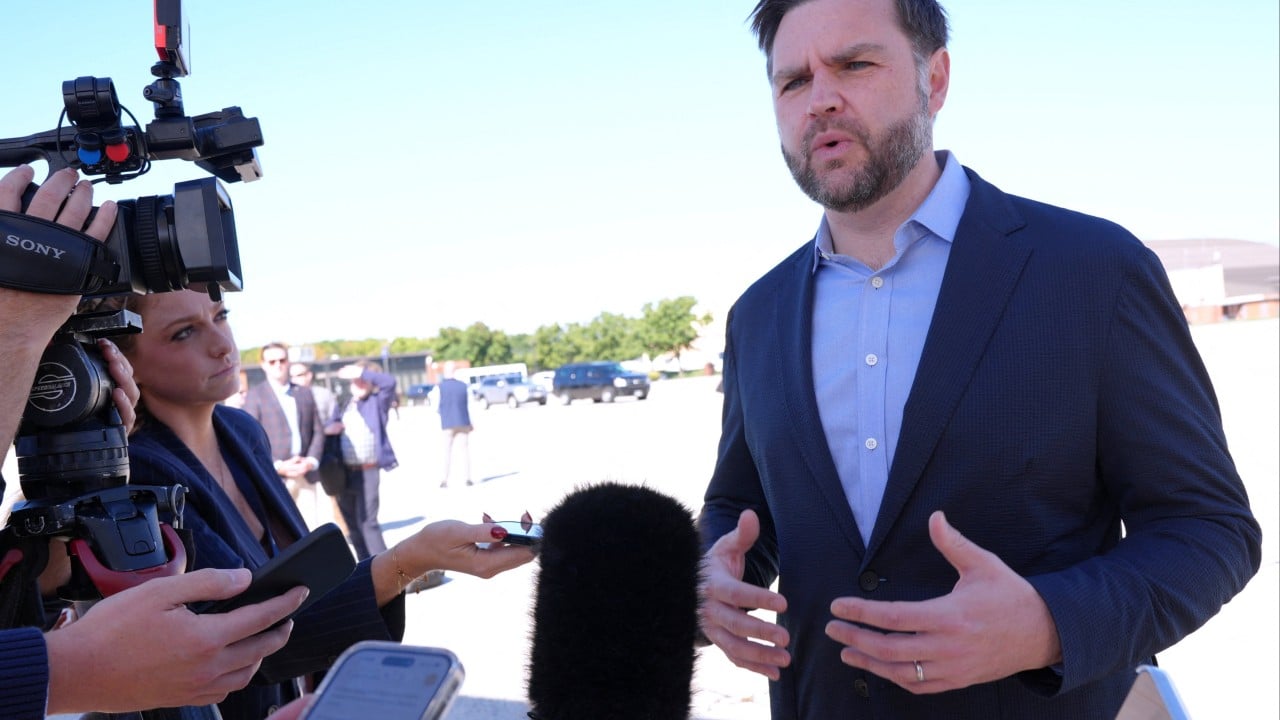
This video provides additional context and speech footage regarding the multi-million dollar Alaska power grid announcement and the surrounding political events.