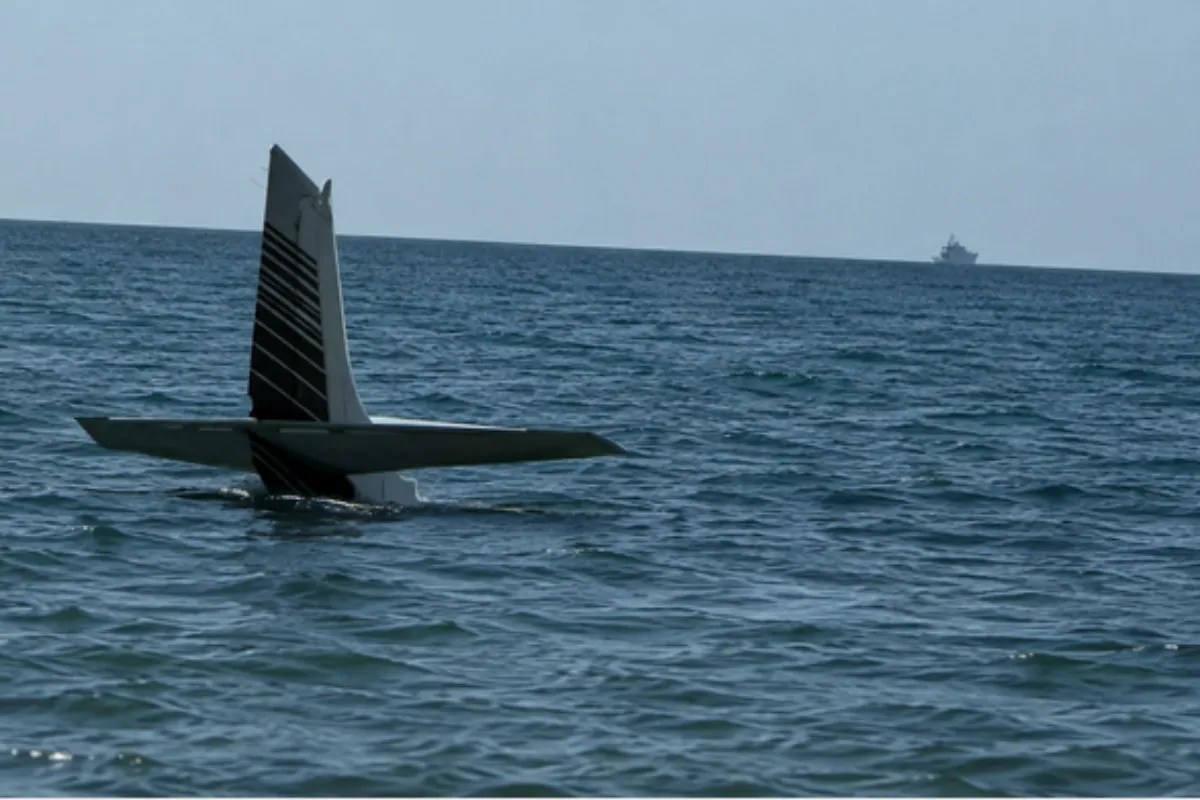
Four people lost their lives when a small aircraft went down in the shallow waters near the remote coastal community of Seldovia, Alaska. Aviation accidents in this rugged American state rarely make global front pages unless the death toll climbs high, but the local reality is grim. Small planes are often the only lifeline connecting isolated towns to civilization. When flights go wrong, entire communities feel the shockwave immediately.
The flight involved a Piper PA-24 aircraft that departed from Anchorage and was bound for the small local airport in Seldovia, located roughly 136 miles southwest. According to the Alaska Department of Public Safety, the plane crashed into the Seldovia Slough and ended up completely submerged in about fifteen feet of water near the shoreline. Meanwhile, you can explore similar events here: The Structural Mechanics of Iranian Diplomacy Under Maximum Pressure.
The Challenge of Recovering Wrecks in Remote Tides
Rescue operations in Alaska operate on nature's terms, not human schedules. When state troopers and wildlife authorities received word of the disaster, they faced an immediate operational barrier. The aircraft was sitting in shallow water, but the tide level forced crews to wait hours for the water to recede before they could safely access the cabin.
State troopers eventually recovered the bodies of the four adults trapped inside. Officials sent the remains to the State Medical Examiner's Office for autopsies, withholding public identification until next of kin could be properly notified. To see the bigger picture, check out the excellent report by TIME.
Why Alaska Aviation Stays Dangerous
People unfamiliar with the region often wonder why small plane accidents happen so frequently here. Geography and unpredictable weather create a hostile environment for pilots. Mountainous terrain, sudden heavy fogs, and shifting coastal winds change flying conditions within minutes.
This accident arrived less than a week after another devastating crash struck a remote military site in western Alaska. That charter flight carried eight people who perished when the pilot lost sight of the gravel airstrip during a second approach in thick fog. Two major fatal incidents back-to-back put aviation safety under intense local scrutiny. Senator Dan Sullivan publicly called the repeating tragedies heartbreaking and unacceptable, pointing directly to the ongoing battle for better regional aviation infrastructure.
What Investigators Look For Next
Determining the exact cause of the Seldovia crash falls to the National Transportation Safety Board. NTSB regional teams examine engine logs, weather patterns at the time of departure and arrival, maintenance records, and pilot communications.
Because small private and charter planes often lack the advanced black boxes found on commercial airliners, investigators rely heavily on physical wreckage analysis and witness statements. Until the NTSB releases a final findings report, official causes remain speculative. Aviation safety advocates continue pushing for modernized tracking technology and better weather reporting stations across Alaska's vast, underserved airspace to prevent future losses.