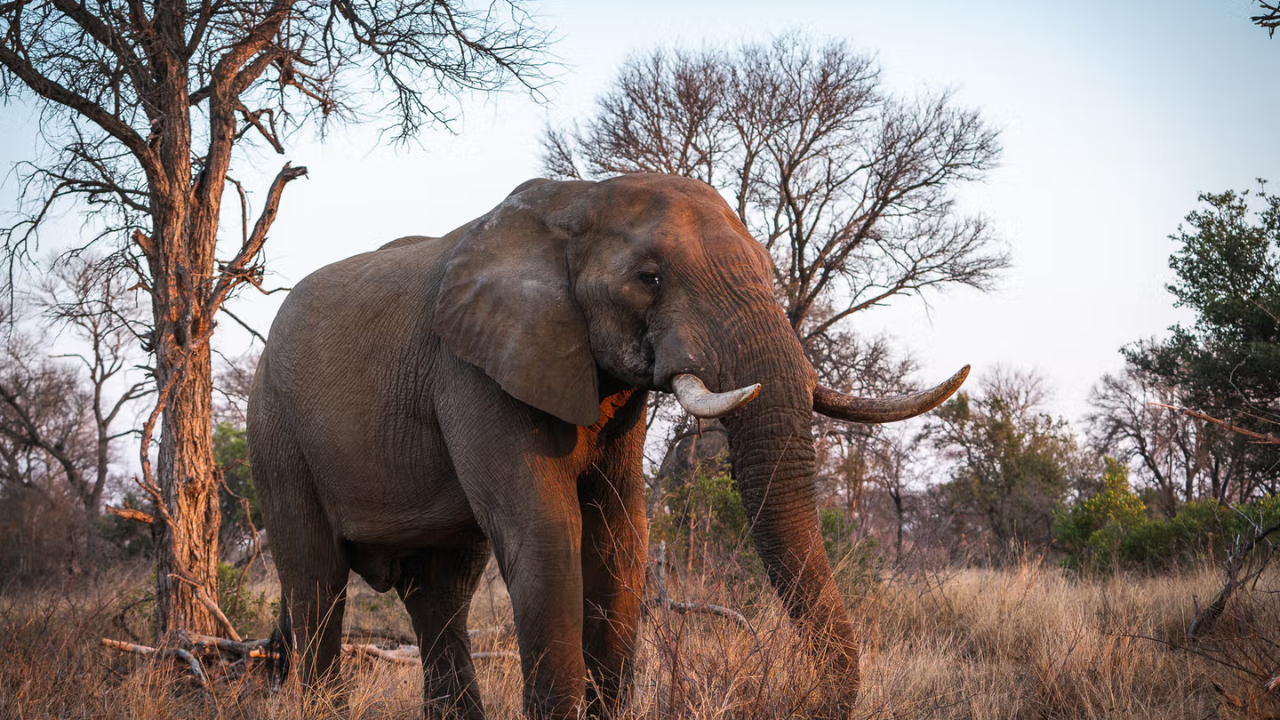
You won't hear much wildlife in a place that has been completely gutted by poaching. Back in the early 2000s, Akagera National Park in Rwanda wasn't a safari destination. It was a holding pen for cattle, a scorched landscape of bushmeat traps, and a silent graveyard where the last black rhinos and lions had already been hunted into oblivion. People wrote it off. Conservationists figured it was a lost cause, a tragic casualty of civil war and rural poverty.
Then everything changed.
If you look at Akagera today, you're staring at thirty-seven rhinos and seven calves thriving in a fenced sanctuary that shouldn't work on paper, but somehow does. It is a masterclass in aggressive wildlife management. But getting here required breaking every rule of traditional African conservation.
Why Akagera Was Left for Dead
Parks don't just collapse overnight. It takes years of institutional neglect, corrupt governance, and desperate local communities carving up protected land for cattle grazing. By the end of the Rwandan Civil War, Akagera had lost a massive chunk of its original territory to displaced people. The iconic species were gone. Elephants were stressed and aggressive. Giraffes were poached out of existence.
Most people think parks bounce back if you just draw a boundary line and walk away. That is completely wrong. Without active protection and rewilding, a degraded ecosystem just turns into an open-air supermarket for poachers.
The turning point came in 2010 when the Rwandan government partnered with African Parks, a non-profit conservation organization. Instead of treating the park like a museum exhibit, they treated it like a hostile corporate turnaround. They put up a 120-kilometer electric fence. They trained a dedicated anti-poaching tracker team. They even brought in a helicopter unit.
Poachers realized quickly that the free-for-all was over. When you make wildlife crime carry a massive real
How Akagera National Park Brought Rhinos Back From the Dead
travel
You hear about wildlife extinction so often that hope feels naive. Species slip away while we argue about funding and land rights. But every once in a while, a conservation project actually works. Take Akagera National Park in Rwanda. Decades ago, it was a silent graveyard for rhinos, stripped bare by poaching and civil conflict. Today, it hosts a thriving population of 37 rhinos and seven new calves.
That turnaround didn't happen by accident. It took heavy-duty security, intense community buy-in, and absolute stubbornness from people who refused to watch a sanctuary turn into a wasteland. If you want to understand how modern conservation actually succeeds when everyone expects failure, look at Akagera.
The Fall of a Sanctuary
Akagera used to be a sprawling, wild refuge. Established back in 1934 by the Belgian colonial government, it covered over 2,500 square kilometers of savannah, wetlands, and lakes. It was packed with lions, elephants, leopards, and thousands of black rhinos.
Then history intervened.
Following the 1994 Rwandan genocide, hundreds of thousands of refugees returned to the country and settled in parts of the park. Land was carved up for farming and cattle grazing. Poachers wiped out the remaining large mammals. The black rhinos were declared locally extinct by the early 2000s. Lions vanished entirely by 1997, poisoned by desperate cattle herders protecting their livestock.
The park shrank by nearly half in 1997 when the government de-gazetted a huge chunk of land to resettle returning refugees. What remained was a battered, neglected ecosystem. Tourists stopped coming. Poachers operated with near-total impunity. Akagera became a textbook example of a paper park—a protected area in name only, bleeding out its biodiversity year by year.
The Turning Point
Things only change when someone takes responsibility. In 2010, the Rwandan government partnered with African Parks, a non-profit conservation organization that takes on direct management of failing protected areas across the continent.
That partnership changed everything. African Parks didn't just hand over grant money and issue polite recommendations. They took over daily operations, law enforcement, and community relations.
The first priority was security. You cannot reintroduce vulnerable, high-value animals like rhinos into a lawless park. Rangers were retrained, equipment was upgraded, and a dedicated canine unit and helicopter air support were brought in to track poachers. Local communities, who traditionally viewed the park as a rich man's playground that took away their grazing land, were integrated into the economy. Jobs were created. Revenue-sharing schemes meant that park tourism directly funded local schools, clinics, and clean water projects.
Once the poachers knew Akagera meant business, the landscape quieted down. The bleeding stopped. And the real work could begin.
Bringing Back the Giants
You cannot just drop wild animals into a new habitat and hope for the best. When African Parks reintroduced eastern black rhinos in 2017—after a 10-year absence—they brought them in batches from South Africa. Transporting massive, stressed prehistoric mammals thousands of miles across the continent requires military-style precision.
Veterinarians, wildlife translocation experts, and logistics teams spent months tracking, darting, crating, and flying the rhinos. Every animal was vetted for health, fitted with tracking transmitters, and monitored round-the-clock upon arrival in Rwanda.
A few years later, in 2019, white rhinos followed. These animals, larger and more social than their black rhino cousins, added another layer of complexity to the management strategy.
Critics always ask why millions are spent moving a few dozen animals when human poverty remains a challenge. The answer is simple. Akagera generates revenue now. Tourists pay park fees, stay in luxury lodges, and hire local guides. Wildlife tourism anchors the local economy. When a park makes money, people protect it. The rhinos are not just conservation trophies; they are economic engines.
The New Generation
The real proof of success isn't just that the imported rhinos survived the transition. It is that they are breeding.
Wildlife managers watch births closely. Every new calf born in the wild means the habitat supports them, the security holds, and the animals feel safe enough to reproduce. Seeing the population climb to 37 individuals, punctuated by the arrival of seven healthy calves, proves that Akagera is no longer a graveyard. It is a nursery.
Calves born in Akagera represent a massive victory for genetic diversity, especially for eastern black rhinos, which remain critically endangered across their historic African range. Every birth is a buffer against extinction.
What Most People Get Wrong About Conservation
People think saving wildlife is about putting up fences and keeping humans out. That model always fails.
Conservation only works when local people benefit directly from the presence of wild animals. If a farmer living on the edge of Akagera sees a rhino as a neighbor that brings tourists, jobs, and community infrastructure, that farmer becomes a warden. If they see the park as a hostile entity hoarding land, no amount of armed rangers will keep poachers away forever.
Rwanda understood this shift. By combining fierce, unyielding law enforcement with tangible community benefits, they turned Akagera from a liability into a national point of pride.
Plan a trip there if you get the chance. Drive through the northern savannah, look out over the lakes, and watch the dust kick up behind a crash of rhinos. You aren't just seeing animals in a zoo. You are looking at a ecosystem brought back from the dead through sheer human grit.


