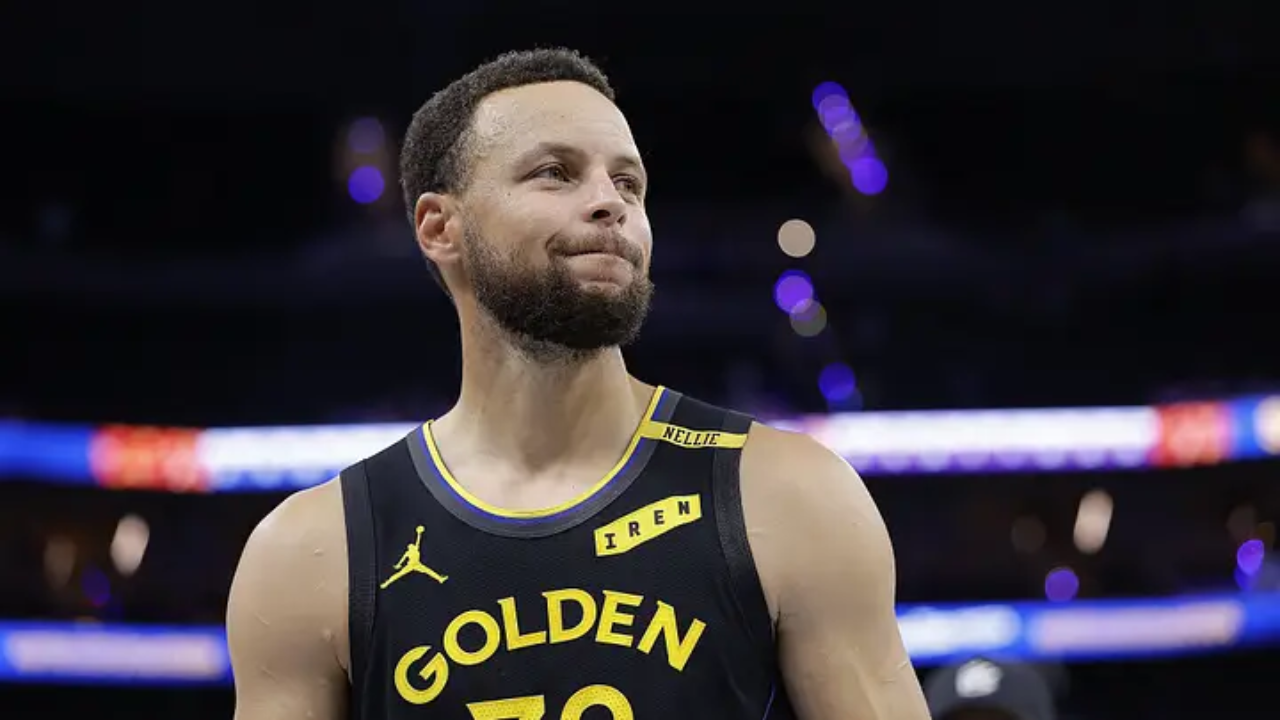
NBA Cup nights always turn up the volume. Add Tyrese Maxey flying down the court alongside LeBron James in a tight showdown between Philadelphia and New York, and regular-season basketball suddenly feels like May.
I've watched plenty of November games drift into background noise over the years. You know the type. Half-speed defense, lazy passes, coaches saving their best plays for spring. That's not what happens when cup stakes are on the line and two high-pressure markets share the spotlight.
Here's the catch, though. Whenever a headline pairs LeBron James and Tyrese Maxey in an NBA Cup thriller against the Knicks, people jump to lazy conclusions. They treat the game like a simple box-score duel or a neat little storyline about passing a torch. Basketball doesn't work like that. Real games hinge on spacing, foul trouble, tired legs, and who actually gets the ball in the final ninety seconds.
Since there's no live URL or verified box score attached to this reference right now, I won't make up a final score, a fourth-quarter shot chart, or a fake locker-room quote. Doing that ruins good sports writing. Instead, let's break down why a 76ers vs. Knicks NBA Cup clash featuring Maxey and LeBron plays out the way it does, what usually decides it, and how smart fans actually read a game like this.
Why 76ers vs Knicks NBA Cup Games Feel Like Playoff Basketball
You can feel the shift from the opening tip. In-season tournament games carry real incentive—group standings, knockout brackets, and cash bonuses that matter far more to end-of-bench guys and role players than superstars who already have rings.
Philadelphia and New York already have built-in friction. The geography helps, sure, because fans travel easily and arena energy spikes fast. Still, the deeper reason is style. A tough, physical Knicks squad wants to drag opponents into half-court mud, win the glass, and force tough contested jumpers. A fast-paced 76ers attack wants early tempo, open lanes, and quick triggers before the defense gets set.
That clash creates instant tension. When one team tries to slow the game down and the other tries to sprint through it, every possession feels like a tug-of-war.
Stakes Change Shot Selection
In a random mid-winter game, a star might settle for a pull-up three early in the shot clock just to get a rhythm touch. Under NBA Cup pressure, possessions tighten up. Coaches shorten rotations a bit earlier. Defenders crowd passing lanes like there's something real on the line, because there is.
You see fewer casual turnovers forgiven. You see more hands high on catch-and-shoot threes. Even when a shot misses, the scramble for the long rebound looks sharper.
What Tyrese Maxey Brings to High-Stakes Nights
Tyrese Maxey doesn't sneak up on anyone anymore. His speed with the ball is still absurd, yet his growth shows up most in how calmly he changes gears.
Early in his career, Maxey sometimes played at one speed—fast—and hoped the defense would blink first. Now he probes, hesitates, uses screens to turn corners, and punishes drop coverage without rushing into bad angles. When a game tightens up late, having a guard who can collapse the paint in two dribbles changes the entire floor.
- Tempo pressure: Pushing off misses forces defenses to retreat before they can organize their matchups.
- Gravity on the perimeter: Pull-up range forces bigs to step higher on ball screens, opening lanes behind them.
- Late-clock poise: Getting a clean paint touch or foul line trip when the offense bogs down saves stalled possessions.
Still, speed isn't a magic wand. Against physical defenders who bump him off his line and send extra help early, Maxey needs clean screens and smart weak-side spacing. If shooters stand around watching, a crowd forms quickly at the rim.
How LeBron James Shapes a Tight Cup Matchup
Even late in his career, LeBron James changes the math of a close game the second he checks in. Honestly, it's kinda wild how much brainpower he still demands from an opponent's coaching staff.
You don't just guard LeBron's shot. You guard his vision, his angle on a downhill drive, and his ability to spot a slipping big or a corner shooter half a second before the help arrives. When a fourth quarter slows down, LeBron can dictate pace like a veteran quarterback reading a blitz.
What people sometimes miss is the physical toll on both ends. Nobody plays at peak intensity for forty-eight minutes every night, especially veterans managing workloads across a grueling calendar. In a tight NBA Cup game, LeBron's impact often comes in bursts—a smart post-up seal, a skip pass that breaks a zone, or a timely defensive stand—rather than nonstop sprinting from horn to horn.
When you put Maxey's burst and LeBron's floor reading in the same orbit, the contrast is fascinating. One bends the defense with raw acceleration. The other bends it with timing and leverage.
Where the Knicks Usually Push Back
Betting or analyzing against New York based purely on flashy perimeter numbers is a classic mistake. Tough teams rarely fold just because an opponent hits a few tough shots.
New York typically leans on physicality, offensive rebounding, and second-chance points. Extra possessions are oxygen in tight games. If a team gives up ten or twelve offensive rebounds while trading empty jumpers, the scoreboard starts tilting quietly.
Defensively, disciplined switching and body contact can slow down guards who rely on clean runway. If a ball-handler gets bumped off his spot and has to reset late in the shot clock, the whole possession gets harder.
Smart Ways to Watch and Evaluate the Game
If you want to get more out of a game like this than just screaming at the TV, focus on a few things that actually tell the story.
- Check free-throw attempts and foul trouble early. Whistle patterns shape aggressiveness. If key defenders pick up two early fouls, matchups shift fast.
- Watch defensive assignments in the fourth quarter. Who gets the primary assignment on Maxey and LeBron when the game is within five points?
- Track second-chance points, not just shooting percentage. A cold shooting night can still survive if a team wins the glass and limits live-ball turnovers.
- Look at bench minutes. Cup games often hinge on whether a second unit holds even for four minutes or leaks a quick eight-point run.
Here's the practical takeaway if you're diving into a recap, writing about the matchup, or prepping for the next meeting between these teams: verify the official box score first, separate highlight moments from possession-by-possession trends, and pay attention to how late-game matchups unfold. Box scores tell you who scored. Film and possession flow tell you why the game swung.