The ticking stopwatch is suddenly sounding more like a countdown.
For nearly sixty years, 60 Minutes stood as the undisputed powerhouse of American broadcast journalism. It was an institution. It felt untouchable. But the dramatic public unraveling at CBS News shows that even the most legendary television brands can bleed out when corporate warfare, political pressure, and generational clashes collide at the executive level. You might also find this similar coverage insightful: The Kinetic Friction of Trump's Middle East Truce: Why Ceasefires Fail to Contain Non-State Actors.
What we're seeing right now isn't a minor corporate reshuffle. It's a full-scale civil war for the identity of television's most iconic news magazine.
If you want to understand the real story behind the headlines, you have to look at the wreckage of the past week. The show has bled four major correspondents in a matter of days. Longtime heavyweight Scott Pelley was fired. Sharyn Alfonsi and Cecilia Vega were shown the door. Anderson Cooper walked away on his own terms, refusing to be part of the new order. As extensively documented in detailed articles by TIME, the implications are significant.
The chaos erupted into the open when Bari Weiss, the newly minted editor-in-chief of CBS News, alongside network president Tom Cibrowski, replaced veteran executive producer Tanya Simon with Nick Bilton. Simon had three decades of institutional knowledge. Bilton is a former tech columnist and documentarian. The shift tells you everything about where the new leadership wants to drag the broadcast.
But the real bomb went off when Pelley released a blistering statement following his termination. He alleged that new management explicitly instructed him to inject bias and unverified falsehoods into a politically sensitive story to appease external forces. CBS News fired back, claiming it was just normal editorial back-and-forth.
Don't buy the corporate spin. This is a massive crisis of credibility.
The Sixteen Million Dollar Mistake That Broke the Network
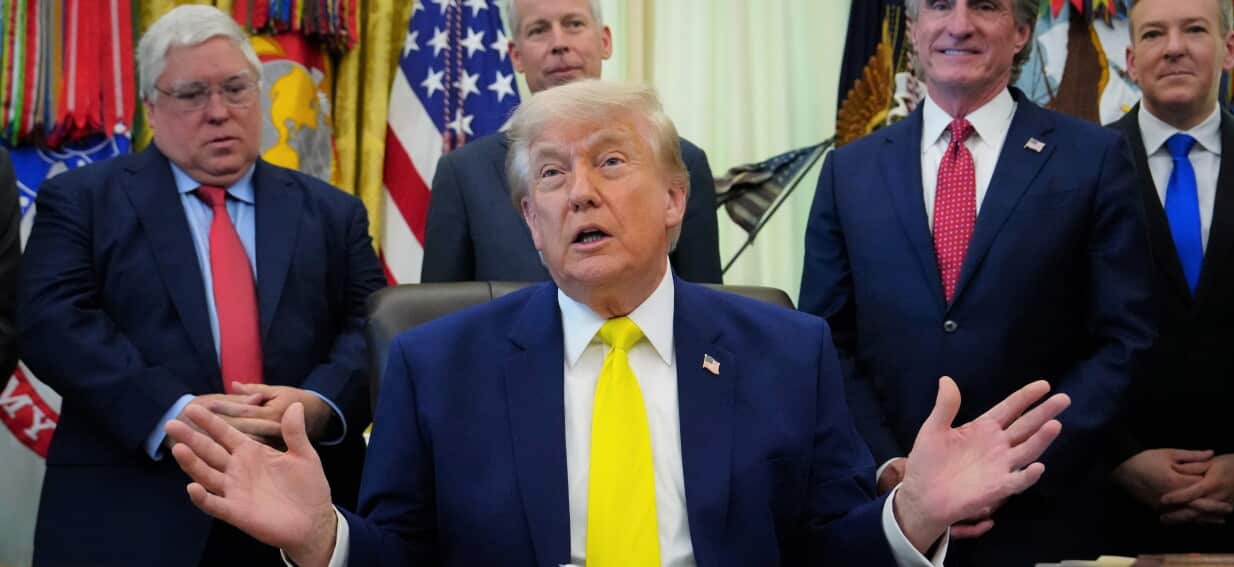
To understand how things got this toxic, we have to look back at the root cause of the infection. The trouble started cooking during the 2024 presidential election cycle, when Donald Trump sued 60 Minutes over its editing of an interview with Kamala Harris.
For a long time, that lawsuit lingered like a dark cloud over the newsroom. Then came the corporate shakeup. David Ellison arrived as the new corporate boss of parent company Paramount after a high-profile merger with Skydance. Looking to clear the decks and avoid a protracted, public courtroom battle with a sitting president, the new leadership settled the Trump lawsuit for a cool $16 million.
That settlement sent shockwaves through Black Rock. To the old-guard journalists who built their careers on refusing to back down from powerful figures, the payout looked like absolute cowardice. It looked like a surrender. It even triggered the sudden departure of late-night host Stephen Colbert, who openly roasted his own network bosses on air, calling the settlement a "big fat bribe."
Inside the 60 Minutes offices, the settlement broke something fundamental. It signaled to the staff that the new corporate owners valued political compliance and financial convenience over editorial independence.
The Battle Between Old School Integrity and 21st Century Content
The current leadership team claims this purge is just a necessary step to build a show that can survive in modern media. They want a version of 60 Minutes that plays well on streaming platforms, hooks younger audiences, and moves away from the traditional, slow-burn investigative style that Don Hewitt created back in 1968.
But there's a fine line between updating a format and destroying the soul of a brand. Look at the warning signs that preceded this week's bloodbath.
Before she was dismissed, Sharyn Alfonsi had produced a hard-hitting segment focusing on Trump administration deportees held in a Salvadoran prison. Weiss reportedly yanked the segment right before it was scheduled to air. Though it eventually ran a month later, the internal damage was done. The staff saw it as clear evidence that stories were being audited for political fallout rather than journalistic merit.
When you replace an experienced investigative producer like Tanya Simon with a tech-focused digital native like Nick Bilton, you aren't just changing the manager. You're changing the product.
Former executive producer Jeff Fager noted that 60 Minutes has always evolved. It survived the transitions from Mike Wallace and Morley Safer to a newer generation. It adapted to the internet era. But it always maintained its core ethos: tough, fair, deeply reported stories that held power accountable without fear or favor.
The current strategy looks less like evolution and more like a systematic deconstruction of that legacy.
What This Means for the Future of Broadcast News
If 60 Minutes loses its reputation for untouchable credibility, it loses everything. Viewers don't tune in on Sunday nights just to see the ticking clock. They watch because they believe that what follows that sound is the absolute truth, verified by the best journalists in the business.
The immediate fallout of this executive execution is a massive vacuum of talent and trust.
- A Crippled Newsroom: Losing Pelley, Cooper, Alfonsi, and Vega simultaneously leaves the broadcast severely short on the gravitas required to land major, world-shifting interviews.
- The Chilling Effect: Younger reporters inside CBS News are now watching their bosses. If the reward for standing up for editorial standards is getting fired, self-censorship will inevitably creep into the reporting.
- Audience Cynicism: In a deeply polarized media environment, the perception that a network settled a lawsuit to placate a politician—and then fired the journalists who objected—is poisonous.
The new management team thinks they can rebuild the brand around digital-savvy content and flashier production. They're betting that the brand name itself is strong enough to survive the loss of its architectural pillars. It's a dangerous, arrogant bet.
If you want to see if the show can survive this self-inflicted wound, stop watching the promotional trailers and start watching the substance of the Sunday broadcasts. Watch how they cover the current administration. Watch whether they pursue risky, complicated investigative pieces or opt for softer, safer profiles. The real health of 60 Minutes will be written in the scripts of the stories they choose to tell—and the ones they choose to kill.