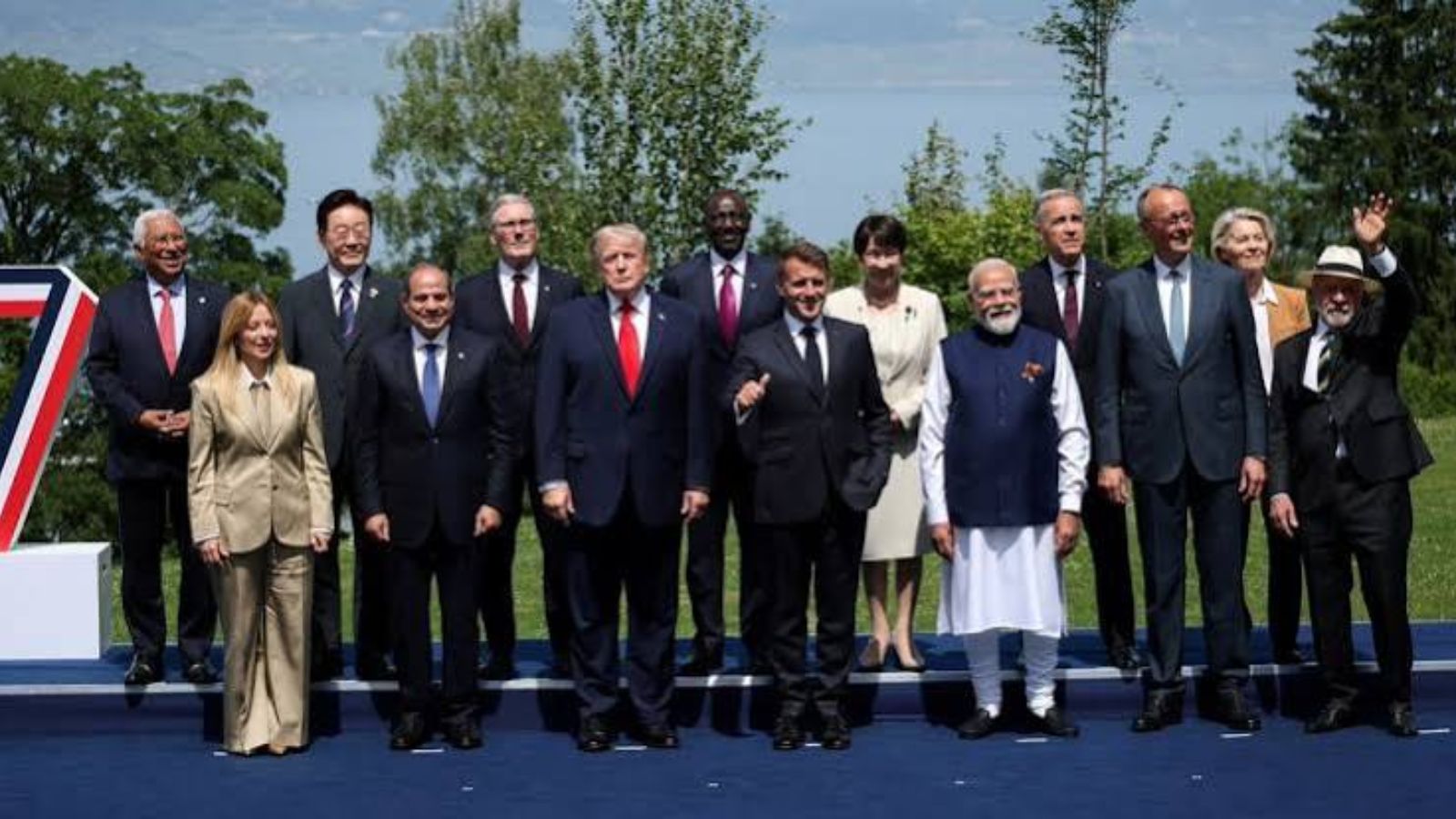
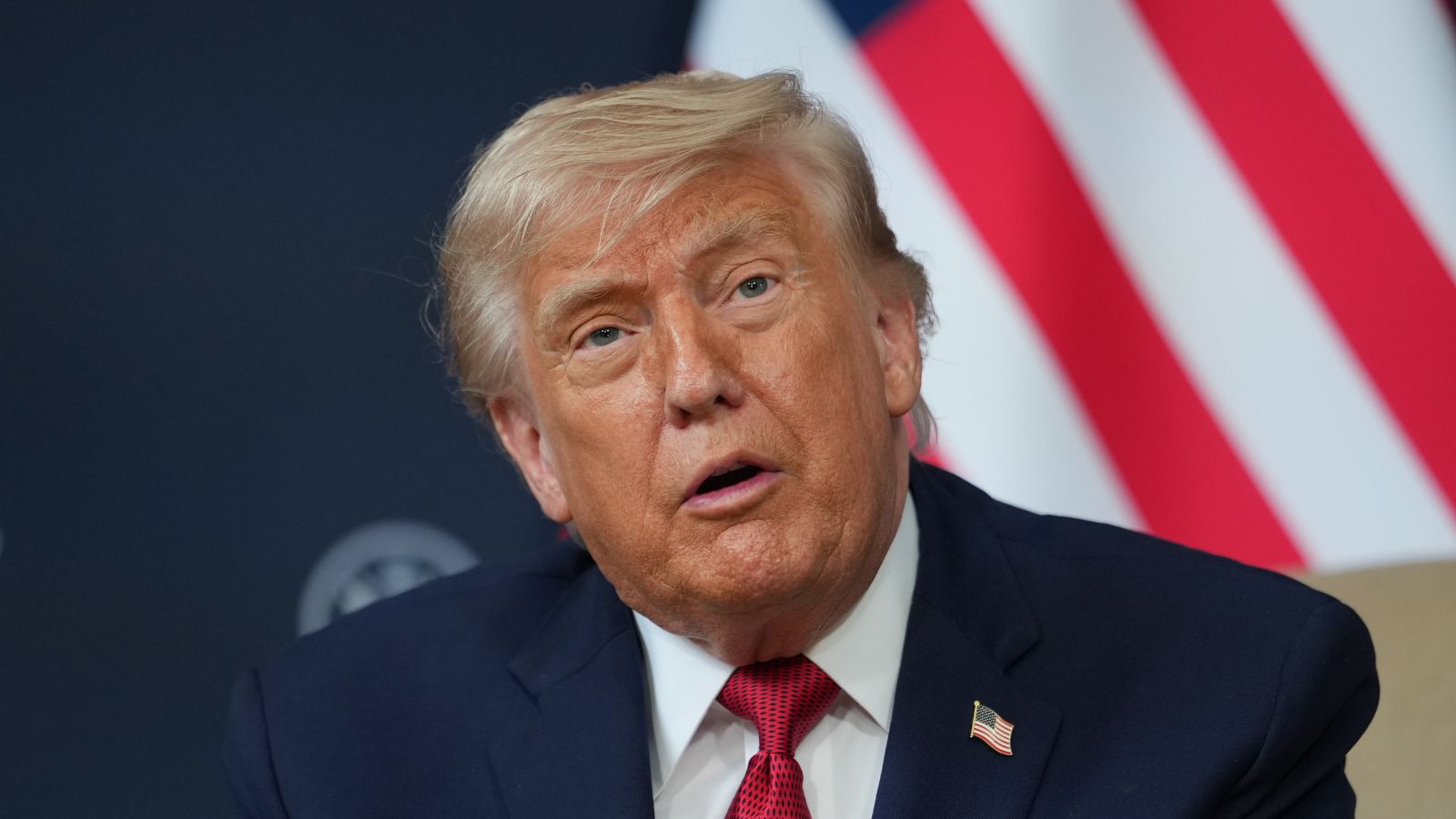
The phone on the nightstand does not care about geopolitics. It buzzes in the dark, a cold glass rectangle vibrating against wood, waking an intelligence analyst in Northern Virginia. It is just before 4:00 AM on a Wednesday. Outside, the pre-dawn mist hangs low over the Potomac. Inside, a screen glows with a social media post sent from a luxury hotel room in Évian-les-Bains, France, where the President of the United States is attending the G7 summit.
With a single paragraph typed across the Atlantic, the carefully constructed machinery of American national security ground to a halt.
Jay Clayton, a polished corporate attorney currently serving as the U.S. Attorney for the Southern District of New York, was supposed to walk into a Senate hearing room in twelve hours. His confirmation as the permanent Director of National Intelligence was on a fast track, a rare moment of bipartisan consensus designed to fix a glaring vulnerability. Instead, the hearing was abruptly dead. The nomination was frozen.
The leverage play was simple, stark, and entirely public. The white house wanted a stalled voting restrictions bill, the Save America Act, passed by a resistant Congress. To get it, the administration was willing to leave the nation’s 18 spy agencies under the temporary command of an acting chief with no national security experience, while a critical overseas surveillance tool remained dark.
To understand the weight of that morning text, you have to look past the ink of the legislative text and into the windowless rooms where America’s secrets are kept.
The Tool That Went Dark
Imagine a global digital dragnet. It operates silently, sweeping through fiber-optic cables and server farms across the planet, capturing the emails, text messages, and phone logs of foreign targets outside the United States. This is Section 702 of the Foreign Intelligence Surveillance Act, or FISA.
To the public, it sounds like an abstract legal acronym. To the analysts tracking an unverified weapons shipment in the South China Sea or a ransomware syndicate operating out of Eastern Europe, it is the oxygen of their daily operations. National security officials from both political parties have spent years calling it irreplaceable. It is the mechanism that flags a threat before it crosses an ocean.
But last Friday, Section 702 expired.
The lapse was not an accident; it was a symptom of a deeper, uglier political knife fight. For weeks, Capitol Hill had been locked in a stalemate. Democrats and a handful of civil liberties-focused Republicans refused to renew the surveillance program as long as Bill Pulte remained in charge of it.
Pulte, a wealthy housing official and intense loyalist, had been placed in the acting director role after Tulsi Gabbard stepped down to care for her ailing husband. Pulte’s resume contained plenty of real estate experience but a total blank space where intelligence operations should be. Worse, in the eyes of his detractors, he had used his administrative perch to hunt down perceived political adversaries.
The Senate wanted Pulte out. The administration wanted FISA back. A deal was struck: Clayton, a respected legal hand, would be nominated to run the intelligence community, Pulte would step aside, and Congress would revive the surveillance web.
Then came the middle-of-the-night reversal.
The View From the Sandbox
From a computer terminal in Maryland, the legal battles in Washington feel incredibly distant, yet they dictate every keystroke. When a major surveillance authority expires, the collection does not instantly vanish into a black hole—a prior court order keeps the data flowing under temporary rules for a few months—but the legal foundation begins to splinter.
Private telecommunications companies, the tech giants that actually hold the keys to the data servers, hate legal ambiguity. Without a clear congressional mandate, corporate lawyers begin to hesitate. They question whether they can legally comply with government requests.
Every minute spent in a legislative holding pattern is a minute where a critical piece of data might be missed because a tech company decided to protect itself from a future lawsuit rather than hand over a foreign target’s inbox.
The administration’s sudden decision to pull Clayton’s hearing from the schedule was explicitly designed to maximize this anxiety. The President claimed Democrats had broken their promise to vote for the FISA renewal after Clayton was put forward.
But the real disruption lay in the new terms of the deal. The confirmation would not move forward until Jamie McDonald was confirmed to replace Clayton in New York. More importantly, the surveillance program would remain in limbo unless Congress passed the Save America Act, a sweeping piece of legislation requiring strict photo identification and documented proof of citizenship to vote.
It was a classic hostage scenario, played out with the highest stakes imaginable.
The Empty Chair
Politics is an art of leverage, but the currency used to buy that leverage is risk. By freezing the Clayton nomination, Bill Pulte remains the acting head of American intelligence.
The Director of National Intelligence is not just a ceremonial title. The person in that chair oversees a budget of tens of billions of dollars. They synthesize the conflicting daily briefings from the CIA, the NSA, and military intelligence into a single, cohesive narrative for the commander-in-chief. They decide which threats are imminent and which are background noise.
When that position is held by a temporary appointment who lacks the trust of Congress and the intelligence apparatus itself, the system stutters. Career analysts become cautious. Information sharing slows down. The natural friction of bureaucracy hardens into paralysis because nobody wants to take a risk for a boss who might be gone by next Tuesday.
The Capitol Hill hearing room sat empty on Wednesday afternoon. The microphones remained off. The nameplates were filed away.
In the long run, the voting bill may find a compromise, or the surveillance tool will eventually be resurrected through a late-night legislative maneuver. The political players will claim victory or spin the delay as a necessary tactical retreat for the good of the country.
But out in the field, where the data has dried up and the legal lines are blurred, the world does not pause for a deal to be made. The targets keep talking. The servers keep spinning. And the analysts continue to watch the screens, waiting for the authorization to look.
The current political maneuvering surrounding the intelligence community has been covered extensively by national national outlets, including an insightful breakdown of the executive standoff in this CBS News report on cabinet criticism, which highlights the growing friction between the administration's political appointments and congressional national security oversight.