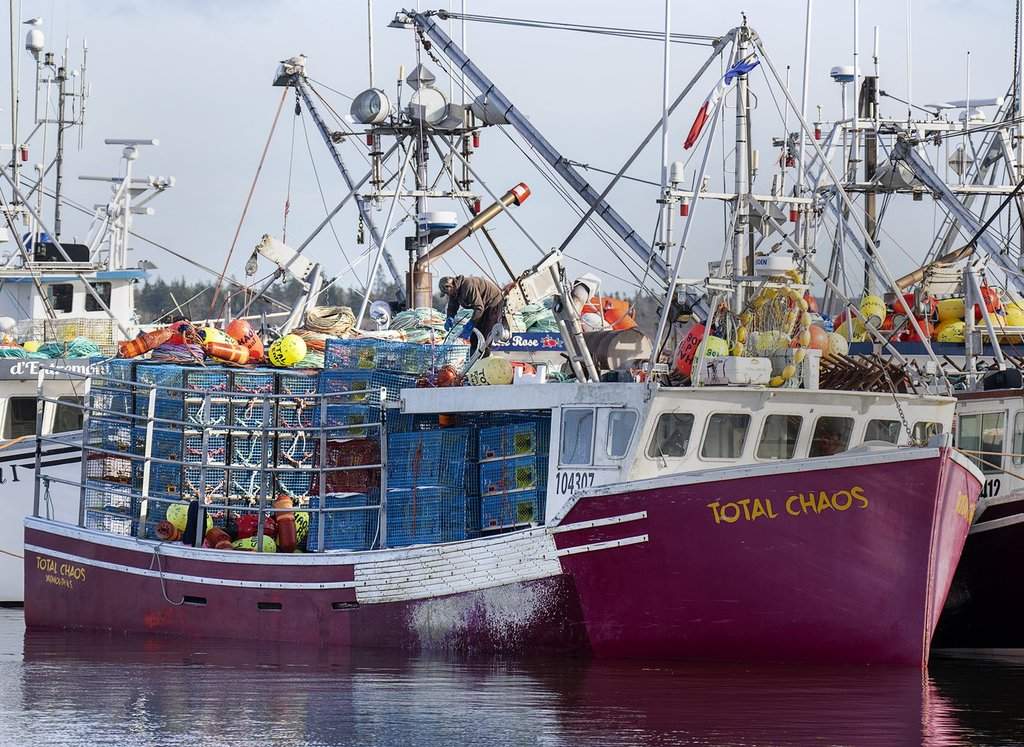
Over-relying on a single buyer is a brutal way to run a seafood business, and Atlantic Canada has learned that lesson the hard way. When tariffs bite or trade disputes flare up, a dock full of lobster, crab, or processed fillets suddenly feels much heavier.
In mid-October 2026, Ottawa and the four Atlantic provinces announced a five-year, $300 million extension of the Atlantic Fisheries Fund, opening applications right away to help harvesters, growers, and processors weather global trade shocks and push into new markets. That Atlantic Fisheries Fund renewal matters because it isn't just keeping old lights on along the coast—it adds market diversification as a core funding track while backing upgrades in gear, processing, and ocean science.
Anyone who has spent time around working wharves or plant floors in Nova Scotia, New Brunswick, Prince Edward Island, or Newfoundland and Labrador knows how tight margins get when export channels wobble. Equipment breaks down. Fuel and input costs creep up. One tariff shift can turn a profitable season into a spreadsheet headache overnight.
What Actually Changed in the Renewed Fund
Launched back in 2017, the program already had a track record of co-investing in plant modernization, live-product handling, and industry-led research. What makes this five-year renewal feel sharper is the explicit push toward finding new buyers outside traditional comfort zones.
Federal Fisheries Minister Joanne Thompson and provincial counterparts—including Nova Scotia's Fisheries and Aquaculture Minister Kent Smith—framed the renewed money around helping Canadian harvesters and processors respond to shifting global demand and trade friction. Under the cost-shared model, the federal government puts up 60% of the funding and the participating Atlantic provinces contribute 40%.
Rather than treating every grant like a blanket subsidy, the program organizes support into clear pillars aimed at practical bottlenecks:
- Market development and diversification: Helping businesses build presence in new domestic or international markets, attend trade shows or missions, hire marketing talent, or restructure operations so they can reach buyers more effectively.
- Innovation: Testing pilots, rolling out new products, and bringing fresh harvesting, aquaculture, or processing technologies to commercial reality.
- Infrastructure: Adopting modern equipment, processes, and associated staff training that improve operational efficiency, product quality, and sustainability.
- Science partnerships: Teaming up with universities and research institutions to study shifting ocean conditions and develop more sustainable harvesting methods.
Why Market Diversification Is Harder Than It Sounds
On paper, "sell to more countries" sounds obvious. In practice, moving seafood across borders is unforgiving.
Live lobster and snow crab don't wait around while trade negotiators argue or customs paperwork clears. Cold-chain timing, holding tanks, packaging specs, and buyer trust take years to build—and can get knocked sideways by sudden tariff disputes or shifting trade terms. That's why funding trade missions, market research, or specialized marketing roles can actually move the needle when a single export market gets bumpy.
At the same time, cash alone won't magically open foreign shelves if a plant isn't ready for different sizing, packaging, or traceability expectations. Pairing market outreach with real plant and handling upgrades—the kind of work previously seen in projects like modernizing a Cooke salmon processing facility in St. George, New Brunswick, or supporting live lobster quality work with the P.E.I. Fishermen's Association—is where the strategy becomes concrete.
Common Mistakes Applicants Make With Public Grants
I've watched plenty of smart operators leave money on the table—or get bogged down for months—because they treated a structured contribution program like a quick cash grab. Grant money isn't free money; it comes with rules, timelines, and matching or eligibility requirements.
Three traps trip up applicants constantly:
- Pitching a shopping list instead of a business outcome: Buying new gear just because it looks shiny doesn't make a strong case. Reviewers look for clear ties to product quality, value-added processing, sustainability, workforce adaptability, or market access.
- Underestimating paperwork and lead times: Contribution agreements require legal capacity, clear project scopes, and careful tracking. Waiting until peak harvest or processing season to pull numbers together is a recipe for missed deadlines.
- Ignoring operational readiness: If your crew isn't trained on new equipment or your supply chain can't handle a new buyer's volume, the grant won't fix the bottleneck.
Who Can Apply and Where the Gaps Are
Eligibility spans a wide slice of the sector across Nova Scotia, New Brunswick, Prince Edward Island, and Newfoundland and Labrador. Commercial enterprises—including sole proprietorships, partnerships, co-operatives, incorporated businesses, and eligible Indigenous individuals, organizations, or groups—can apply alongside non-commercial groups like industry associations, post-secondary and research institutions, provincial crown corporations, and Indigenous organizations.
Still, it's worth being honest about what a program like this can and can't solve. A five-year, $300 million fund is substantial, especially when combined with provincial and industry contributions, yet it doesn't erase global price swings, fuel spikes, or every geopolitical headache overnight. Small independent harvesters and smaller processors often have less administrative bandwidth than large companies to put together strong applications, which makes early program guidance critical.
How the Atlantic Fisheries Fund Shapes Coastal Resilience
Ocean temperatures, species shifts, labour tight spots, and changing consumer habits are all testing Atlantic seafood at once. Having a dedicated five-year runway gives businesses room to plan beyond the next quarter—whether that means investing in better grading and storage equipment, partnering with marine researchers on harvesting impacts, or testing new export channels.
You can check full program criteria, pillar details, and application steps directly on the Fisheries and Oceans Canada Atlantic Fisheries Fund page or through provincial resources like the Nova Scotia Atlantic Fisheries Fund overview.
If you're thinking about applying, start this week by mapping out one specific bottleneck—such as a single-market export risk, an aging processing line, or a research question tied to harvesting—and call or email the regional Atlantic Fisheries Fund team or your provincial fisheries department before writing a full proposal. Getting early feedback on fit saves weeks of wasted effort.