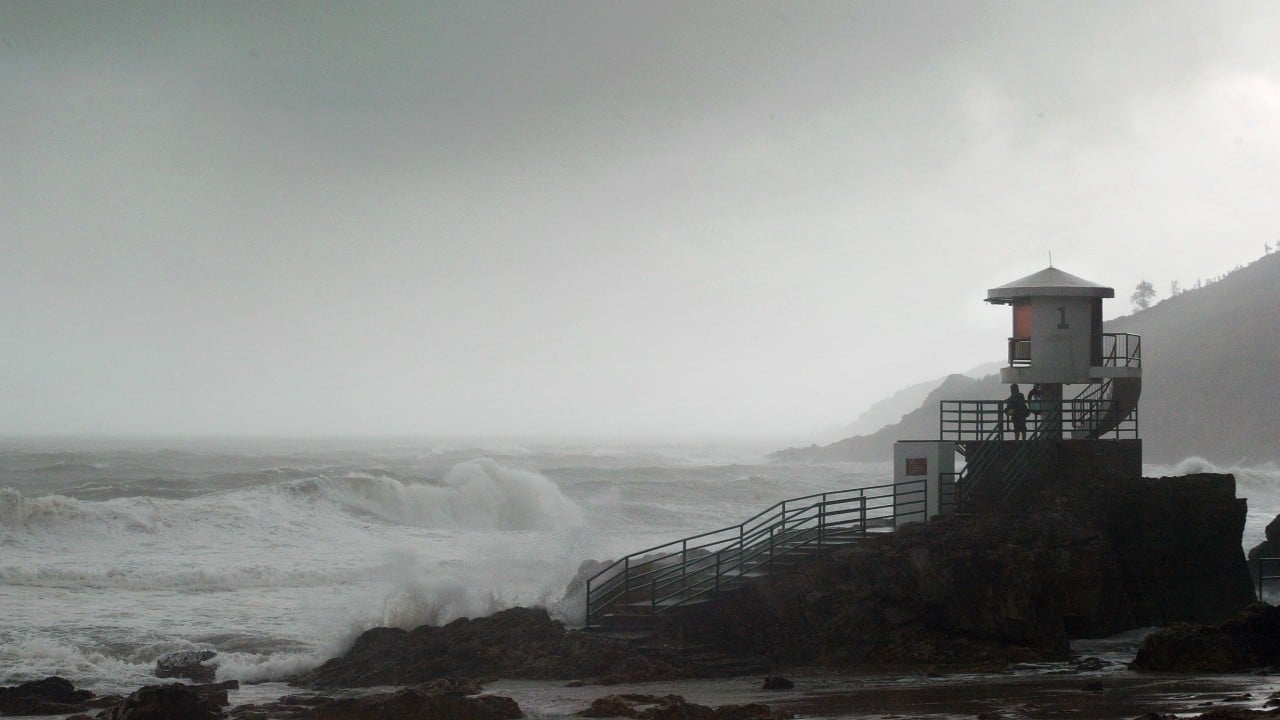
Commuters walking into howling winds while offices stay wide open is a special kind of frustration. When Typhoon Prapiroon scraped past Hong Kong in August 2006, the city woke up to dangerous gales, snapped trees, and widespread transit chaos. Yet, the Hong Kong Observatory stubbornly kept the No. 3 strong wind signal hoisted instead of upgrading to the dreaded No. 8.
Public fury erupted instantly. Workers felt forced into hazardous commutes, businesses scrambled, and meteorologists pointed out a glaring flaw in how the city measured storms. That single event changed local weather forecasting forever. If you want to understand why storm warnings work differently today, you have to look back at the day the system broke.
The Flaw at Victoria Harbour
The core problem during Typhoon Prapiroon came down to geography and an outdated rulebook. For decades, the Hong Kong Observatory relied almost entirely on wind speeds recorded around Victoria Harbour as the benchmark for issuing tropical cyclone signals.
It made sense historically because the harbor was the epicenter of economic life. But by 2006, the population had sprawled deep into the New Territories and exposed outlying islands.
Prapiroon tracked about 260 kilometers to the southwest of the city. While the protected harbor area experienced manageable winds that barely scraped past the threshold for a No. 3 warning, southern districts and elevated terrain took a severe beating. Ngong Ping on Lantau Island recorded terrifying wind speeds reaching 209 kilometers per hour. Places like Tsing Yi and Peng Chau saw gusts approaching 108 kilometers per hour.
The Observatory looked at the harbor, saw moderate numbers, and sat on its hands. Ordinary citizens paid the price.
Chaos on the Ground
Because the official signal stayed at No. 3, employers expected staff to show up as usual. Millions of workers ventured out into ferocious squalls.
The consequences were immediate and chaotic. Falling branches and flying debris injured pedestrians across the territory. High winds toppled heavy cargo containers at Kwai Chung and Tuen Mun. Around 700 trees were ripped out of the ground, while another 1,600 suffered major damage. Thousands of travelers sat stranded at the airport as hundreds of flights faced massive delays and cancellations.
Labor unions spoke out immediately, accusing authorities of prioritizing corporate attendance sheets over human safety. Prominent meteorologists, including Clarence Fong Chi-kong of Weather Underground, publicly criticized the Observatory for lulling the public into a false sense of security.
The disconnect between official data and reality was staggering. People felt betrayed by the exact institution meant to protect them.
How the System Finally Changed
Public backlash forced a reckoning. The Hong Kong Observatory could no longer hide behind rigid, single-point metrics while the rest of the territory suffered.
In response to the public outcry and internal reviews following Prapiroon, authorities completely overhauled the Tropical Cyclone Warning System. The Observatory expanded its network of reference anemometers. Instead of obsessing exclusively over Victoria Harbour, they began factoring in regional wind conditions across a wider grid of stations, including Sai Kung, Cheung Chau, and urban expansions.
This shift meant future storms would trigger warnings based on where people actually lived and worked, rather than what a single monitoring station in the center of the city reported.
Lessons From a Broken Protocol
Looking back, the Prapiroon incident serves as a masterclass in why rigid bureaucratic systems fail in dynamic environments. Data without context is dangerous. If you rely strictly on a centralized metric, you will miss localized disasters happening right at your doorstep.
Modern weather forecasting in the region is far more decentralized and responsive because citizens and experts refused to accept bad policy. Keep that in mind next time a storm approaches and you evaluate official warnings. Always look at local conditions, because macro-level data can hide micro-level danger. Check regional updates before you step out the door.