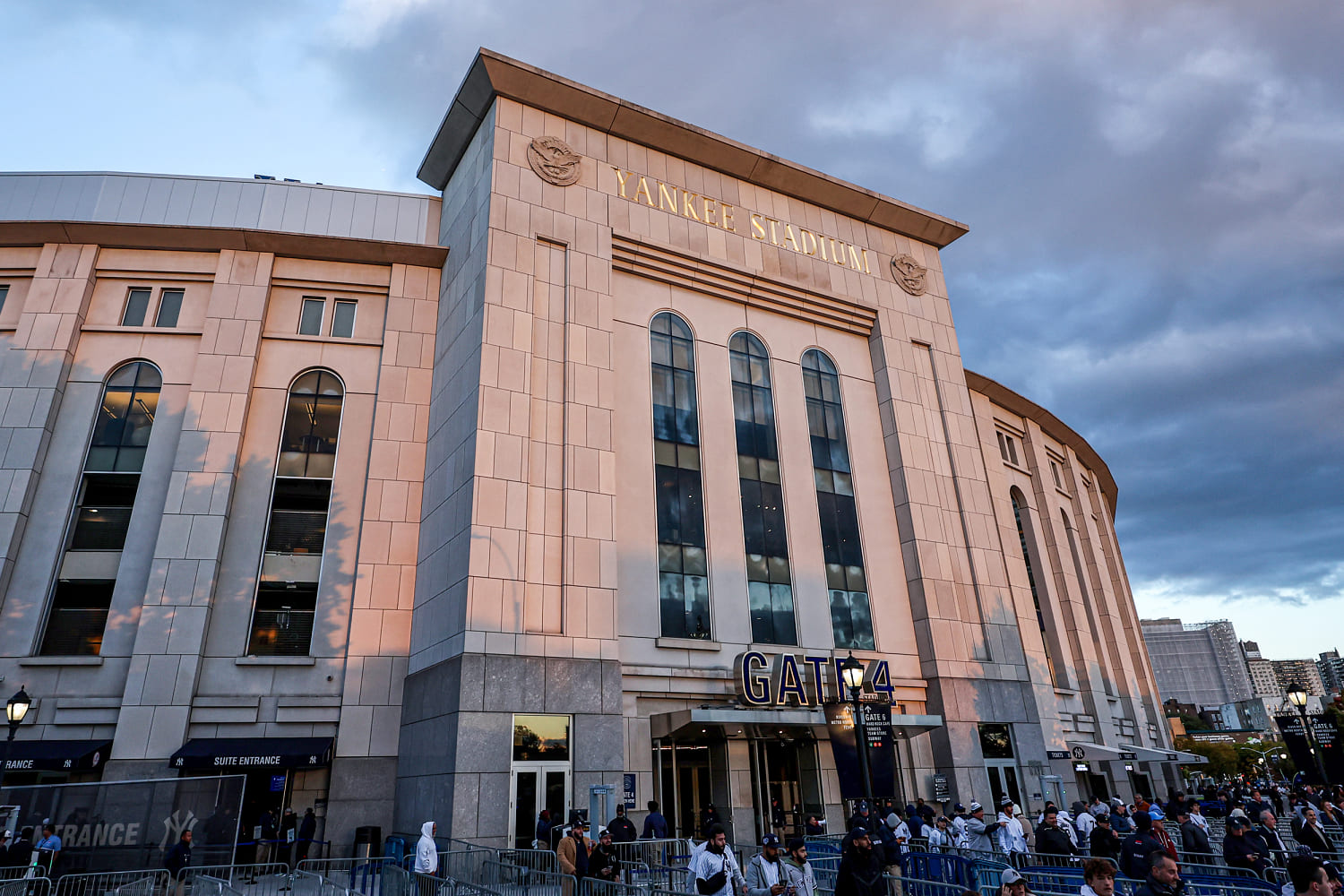
You buy a ticket behind home plate, expecting a fun night of baseball. You don't expect a heavy wooden projectile to fly into your section, knock you completely out of your seat, and change your life forever. That is exactly what Stephanie Duluc claims happened to her at Yankee Stadium. Now, she is suing the New York Yankees for ten million dollars, pointing straight at a dangerous flaw in stadium protective netting.
This case isn't just another headline about a fan getting hurt. It strikes at the heart of how major league sports venues handle fan safety and legal liability. If you think the traditional legal rules protect teams from everything, think again. The details of this lawsuit expose uncomfortable truths about the gaps in stadium safety measures we assume are foolproof. Meanwhile, you can find other events here: Inside the FIFA Civil War Threatening the Next Generation of Football.
What Actually Happened Behind Home Plate
During a June game between the Yankees and the Cleveland Guardians, things turned chaotic in an instant. Cleveland infielder Jose Ramirez took a swing, lost his grip, and sent his bat flying straight into the stands.
The bat slammed into the fourth row behind home plate, striking thirty-seven-year-old Stephanie Duluc directly in the head with enough force to knock her out of her seat. According to court documents filed in Manhattan federal court, the injuries were severe. Duluc claims she suffered a traumatic brain injury, a concussion, and lasting damage to her neck and hands. To understand the full picture, check out the detailed report by Yahoo Sports.
Before this incident, she worked as the chief of staff at SOMOS Community Care in the Bronx. Months later, she hasn't been able to return to work. Her legal team, led by attorney Jon L. Norinsberg, points out that she continues to deal with persistent headaches, light sensitivity, and severe balance issues.
The Core Argument About Protective Netting
Most fans assume that modern protective netting makes sitting near the field entirely safe. Teams extended these nets all the way down the foul lines a few years ago following mounting pressure from fans and media. But Duluc's lawsuit highlights a critical oversight.
The complaint alleges that the netting right in front of her specific section was significantly lower than the netting in surrounding areas. That height difference left an exposed opening. Instead of a continuous protective barrier keeping errant bats out of the crowd, the design created a localized trap.
When a bat travels at high speed, inches matter. If the legal filing holds up, it proves that stadiums might be cutting corners or maintaining inconsistent safety standards even in high-risk zones right behind home plate.
The Baseball Rule and Why This Case Is Different
For decades, sports teams relied heavily on something called the "Baseball Rule" to beat lawsuits from injured fans. Under this long-standing legal doctrine, if you buy a ticket and sit in an un-netted area, you basically assume the risk of getting smoked by a foul ball or a flying bat. Teams put a warning on the back of every ticket stub to cover themselves.
Over time, courts began narrowing that immunity. Once Major League Baseball mandated extended netting, teams took on a legal duty to provide adequate protection.
That shifts the entire debate. Duluc isn't arguing that she got hit while sitting out in the open unprotected. She is arguing that the Yankees did provide netting, but installed it defectively or maintained it poorly in her specific zone. That distinction turns a standard assumption-of-risk defense into a much harder battle for the team's legal department.
What This Means for Future Game Attendees
Incidents like this force a hard look at how stadiums protect people. Millions of fans pack into ballparks every season, scrolling on phones or watching pitches without tracking every second of live action. They trust that the billion-dollar franchises hosting them have built an environment safe from flying lumber.
If you head out to a game soon, keep a few practical realities in mind:
- Netting isn't universal: Check your seating section before the first pitch. Notice where the net ends or where gaps might exist.
- Pay attention early in the count: Put the phone away when hitters face high-velocity pitchers or swing hard through the zone. Reaction times need to be instant.
- Know your risks close to the field: Premium seats come with premium risks. The closer you sit to the batter's box, the faster things happen when a player loses control of a bat.
The ten million dollar price tag on this lawsuit will definitely catch the attention of risk managers across every major professional sports league. Whether this case goes to trial or settles out of court, it forces stadiums to reevaluate whether their safety nets actually cover the areas they are supposed to. Stop assuming every seat behind home plate offers equal protection. Stay alert, watch the field, and demand better standards from the venues taking your money.