The Mirage of Mediterranean Peace
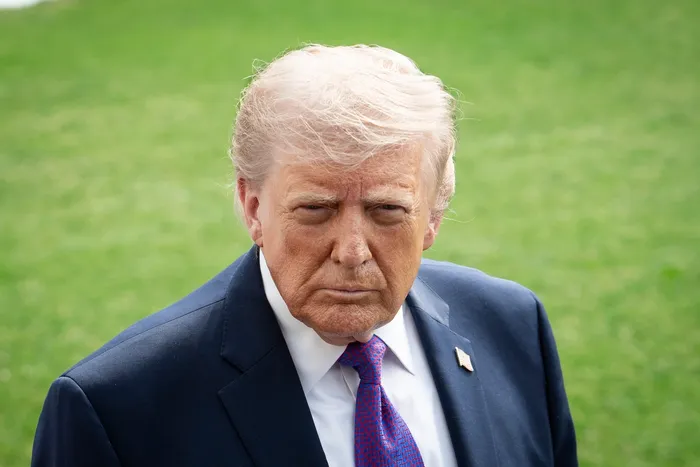
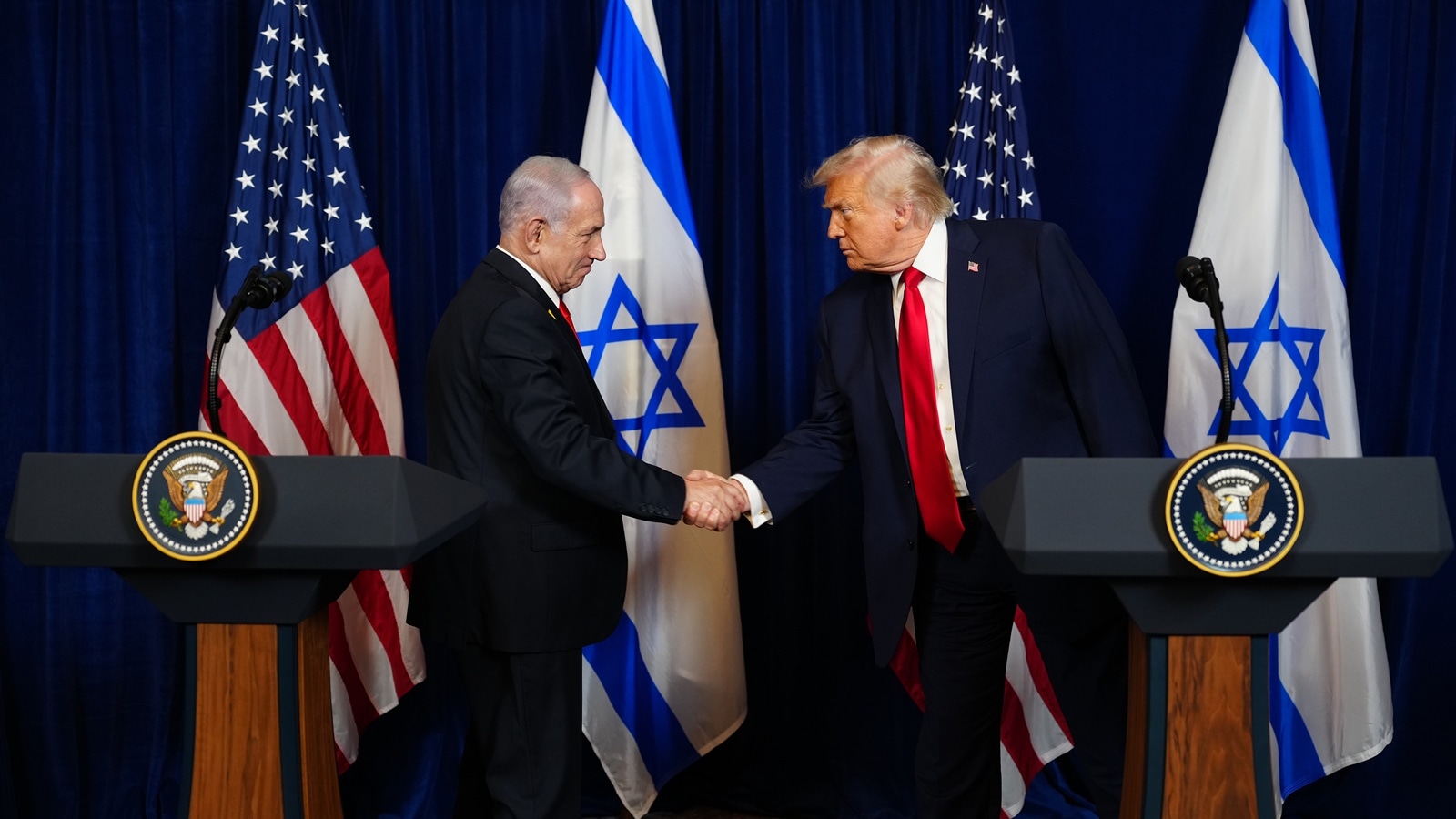
The ink isn't even dry on the headlines, and the foreign policy establishment is already polishing its Nobel aspirations. Donald Trump’s announcement of a 10-day ceasefire between Israel and Lebanon, brokered through a three-way dance with Netanyahu and Aoun, is being framed as a masterstroke of "deal-making."
It isn't. It’s a pressure cooker with a taped-down valve.
Mainstream reporting treats a ceasefire as an inherent good—a binary state where "not shooting" equals "progress." This is a fundamental misunderstanding of Levantine power dynamics. In this region, a short-term pause is rarely a bridge to peace. It is a logistical window. If you think ten days is enough to untangle decades of sectarian friction and border disputes, you aren't paying attention to history. You’re watching a movie trailer and calling it cinema.
The Myth of the Neutral Broker
The "lazy consensus" suggests that Trump’s personal intervention is the missing ingredient that previous administrations lacked. The narrative implies that by simply getting the right names on a conference call, the underlying geometry of the conflict changes.
It doesn't.
Michel Aoun and Benjamin Netanyahu are not operating in a vacuum of personal animosity that a "tough guy" can bridge. They are beholden to internal survival mechanisms. For Netanyahu, any pause is a calculation of domestic political capital and military replenishment. For Lebanon, a state currently functioning as a collection of competing shadows, Aoun’s signature carries the weight of a paper shield.
The reality? This isn't diplomacy; it’s an operational reset.
Ten Days is a Military Lifetime
Ask any logistics officer what can happen in 240 hours. In the world of high-intensity conflict, ten days is an eternity to relocate rocket batteries, rotate exhausted front-line units, and refine targeting data that has become stale.
- Hezbollah’s Reconstitution: While the media focuses on the lack of outgoing fire, the real movement happens underground. A 10-day window allows for the quiet movement of advanced munitions away from identified strike zones.
- Israel’s Intelligence Refresh: The IDF uses "quiet" to verify the success of previous sorties. They aren't resting; they are flying high-altitude recon to see what survived the last round.
- The Stockpile Race: Ceasefires are the ultimate gift to supply chains.
When the press asks, "Will the ceasefire hold?" they are asking the wrong question. The right question is: "Who benefits most from the reload?" History shows that short-term truces in Lebanon often precede a massive escalation because both sides use the interval to ensure the next phase is more lethal than the last.
Why the 1701 Framework is Dead
Most analysts point to UN Resolution 1701 as the gold standard for these talks. They argue that if we can just get back to the 2006 status quo, everything will stabilize. This is intellectual laziness at its finest.
Resolution 1701 failed because it relied on the Lebanese Armed Forces (LAF) and UNIFIL to provide a buffer that neither had the political will nor the physical strength to maintain. Pretending that a 10-day pause under the "Trump brand" fixes the structural impotence of UNIFIL is a fantasy.
I’ve watched these "solutions" crumble before. In 2006, the world cheered for a cessation of hostilities that effectively allowed Hezbollah to spend the next decade digging a subterranean fortress that changed the math of Middle Eastern warfare. To suggest that a 10-day window in 2026 is anything other than a tactical breather for the next round of tunnel warfare is to ignore the physical reality of the border.
The Economic Fallacy of "Stability"
There is a desperate hope that this ceasefire will provide the breathing room Lebanon needs to address its cataclysmic financial collapse. The logic goes: "Stop the bombs, start the banks."
This ignores the fact that Lebanon’s economic misery is a feature of its political system, not a bug of the war. A 10-day pause does nothing for the depositor who lost their life savings or the hyperinflation that has gutted the middle class. In fact, these brief flashes of "peace" often prevent the necessary systemic collapse that would be required to actually clear out the corruption. It provides a veneer of "normalcy" that allows the same failed actors to stay in power.
The Cost of False Hope
The danger of this 10-day "victory" is the inevitable letdown. When the clock runs out and the first drone crosses the Blue Line on day eleven, the psychological impact on the populations is devastating. It breeds a nihilism that makes future, genuine negotiations impossible.
If we want to actually move the needle, we have to stop celebrating "pauses" and start addressing the fact that neither side currently views total peace as more beneficial than managed conflict.
- Israel views a quiet north as a vulnerability to a surprise raid.
- The Lebanese power brokers view a lack of external threat as a threat to their internal "resistance" branding.
Stop Asking if it Will Last
"People Also Ask" columns are filled with queries about whether this signals the end of the war. That is the wrong metric. Peace is not the absence of war; it is the presence of a viable political alternative. Right now, there is no alternative on the table. There is only a 10-day vacation from the kinetic reality of the border.
The establishment wants you to believe that "momentum" is real. They think one small deal leads to a bigger one. In the Middle East, momentum is usually a circle. We are simply returning to the start of the loop.
The Insider’s Reality Check
I’ve seen millions of dollars in aid and thousands of hours of diplomatic "shuttle" work vanish the moment a single rogue commander decides to test the perimeter. These deals are built on the assumption that the people at the table have 100% control over the people in the trenches. They don't.
This 10-day window is a vanity project for the brokers and a tactical reload for the combatants.
If you want to understand the next month, don't look at the press releases from Mar-a-Lago or Jerusalem. Look at the satellite imagery of the Bekaa Valley. Look at the mobilization orders in the Galilee. The "peace" you see on the news is a mirage designed to satisfy a 24-hour news cycle.
The real war is just catching its breath.
Don't buy the hype. Watch the logistics. The most dangerous time in a conflict isn't when the guns are firing—it's when everyone is quietly reloading for the finale.