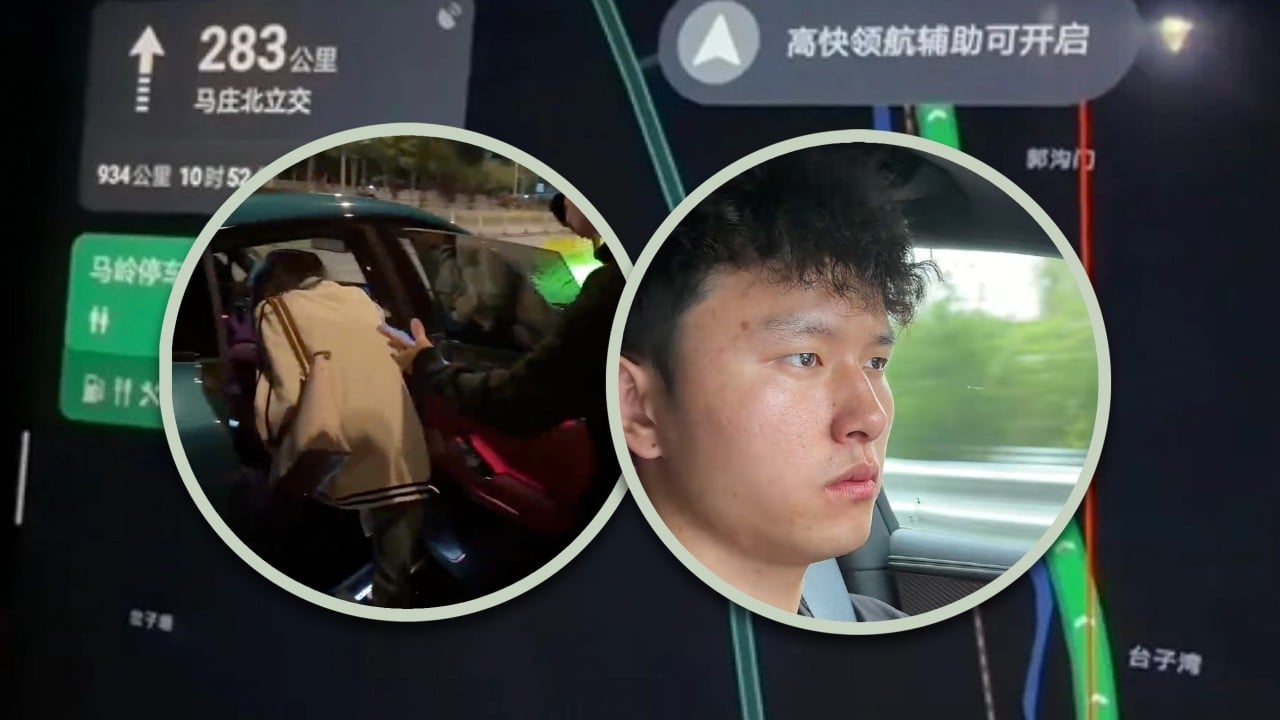
When a former classmate reached out to a popular Chinese blogger known as "The Pao" with a desperate plea, the clock had already started ticking against the permanence of death. His mother had passed away unexpectedly in a remote village, and he was stranded over a thousand kilometers away with no immediate transport options. Within minutes, the blogger abandoned his schedule, fueled his vehicle, and began a non-stop, 1,300-kilometer overnight sprint across China’s provincial highway network. This was not a staged publicity stunt for views, but a raw display of "guanxi" and the modern logistical capability of the individual in a hyper-connected society.
While the surface narrative focuses on a singular act of kindness, the underlying reality speaks to a profound shift in how social capital is spent in the digital era. This journey across the Chinese interior highlights the collision between traditional filial piety and a modern, often fragmented migratory workforce.
The Logistics of a High Stakes Mercy Mission
Driving 1,300 kilometers—roughly the distance from New York City to Jacksonville, Florida—in a single overnight push is a feat of physical and mechanical endurance. It requires more than just a full tank of gas. It demands an intimate knowledge of the National Trunk Highway System (NTHS) and the stamina to navigate the fatigue that sets in around the 3:00 AM mark. For the blogger, the mission was clear: get his friend home before the funeral rites, which in rural China are often swift and steeped in cultural urgency, were finalized.
The route likely took them through a gauntlet of toll booths and mountain passes. China has built the world’s largest expressway network, yet the sheer scale of the geography remains a formidable opponent. Traveling at an average speed of 100 kilometers per hour, accounting for fuel stops and the inevitable drag of night driving, the trip represents thirteen to fifteen hours of unwavering focus.
In this context, the car is no longer a status symbol. It is a lifeline. The blogger’s willingness to burn through tires and fuel without a second thought for the cost serves as a sharp contrast to the often transactional nature of social media influence.
The Weight of the Empty Nest and the Migrant Burden
To understand why this dash was necessary, one must look at the demographic cratering of rural China. The "left-behind" generation—elderly parents living in villages while their children seek work in Tier 1 cities—has created a geographical gap that is often impossible to close when tragedy strikes. Public transport, while vast, is not always immediate. High-speed rail tickets sell out. Flights to regional hubs are infrequent.
When a parent dies, the "shou xiao" (mourning period) begins immediately. For the son, every hour spent in transit was an hour of mounting guilt. The blogger wasn’t just providing a ride; he was attempting to outrun the cultural shame of being absent during a family’s darkest hour.
This specific incident resonated so deeply with the Chinese public because it mirrored a collective anxiety. Millions of workers live with the quiet fear that a phone call from home will come at a time when they are physically unable to return. The blogger became a proxy for every person who ever wished they had a friend with a fast car and no questions asked.
Social Capital in the Age of Live Streaming
We often view bloggers through a lens of skepticism. We expect a hidden camera, a monetized sob story, or a calculated play for engagement. However, the "Pao" incident suggests a different evolution of the influencer. In a society where traditional community bonds are being stretched thin by urbanization, high-profile individuals are sometimes stepping into the roles once held by extended kinship networks.
The blogger used his platform not to broadcast the journey as a spectacle, but to document a duty. There is a distinction. One is vanity; the other is accountability. By documenting the fatigue, the dark stretches of highway, and the eventual arrival, he provided a roadmap for a type of radical empathy that is becoming increasingly rare in a competitive economic environment.
The Biological Reality of the Overnight Drive
The human body is not designed for sustained high-speed navigation in total darkness. Microsleep, the phenomenon where the brain shuts down for a few seconds while the eyes remain open, is the primary killer on long-haul routes. The blogger’s ability to maintain pace suggests a level of adrenaline that only comes from a shared sense of crisis.
- Circadian Rhythm Disruption: Between 2:00 AM and 5:00 AM, the body's core temperature drops, and the urge to sleep is nearly hormonal.
- Cognitive Tunneling: Prolonged staring at the road creates a trance-like state where reaction times plummet.
- The Emotional Buffer: Having the grieving friend in the passenger seat likely provided the necessary psychological pressure to stay awake.
This wasn't a leisurely road trip. It was a physical assault on the driver’s own limits.
The Cost of Kindness
There is a financial dimension to this act that often goes unmentioned. Between high-speed toll fees—which are significant in China—and the cost of premium fuel for a 1,300km trek, the blogger likely spent thousands of yuan. This does not include the wear and tear on the vehicle or the opportunity cost of his time.
In a world where "time is money," giving away fifteen hours and several thousand yuan to help a schoolmate—not even necessarily a best friend—is a radical rejection of modern efficiency. It suggests that despite the rapid modernization of the country, the ancient concept of "Yi" (righteousness and loyalty) still carries more weight than a bank balance.
The Infrastructure of a Narrative
The success of this journey was only possible because of China’s massive investment in physical infrastructure. Thirty years ago, this trip would have taken three days over broken backroads and dirt tracks. The mother would have been buried long before the son arrived. The fact that an individual can even contemplate a 1,300km overnight drive is a testament to a specific type of national development that prioritizes connectivity above all else.
However, the hardware of the country—the bridges, the tunnels, the asphalt—only matters if the software of the people remains intact. The blogger provided the software. He acted as the bridge between a son’s grief and his final duty.
As the video of their arrival spread, the comments sections weren't filled with tech talk or travel tips. They were filled with stories of people who didn't make it back in time. People who were stuck in traffic, or waiting for a train, or held back by a job that wouldn't let them go. The blogger didn't just drive a car; he fulfilled a collective fantasy of being there when it matters most.
The road ended at a village gate, but the implications of the drive continue to ripple. It serves as a reminder that the most powerful use of a modern platform is not to gain followers, but to leverage one's own mobility for the sake of another’s peace of mind.
Stop waiting for the "right time" to show up for people. The road doesn't get shorter, and the clock doesn't stop for your convenience.